arenabattle49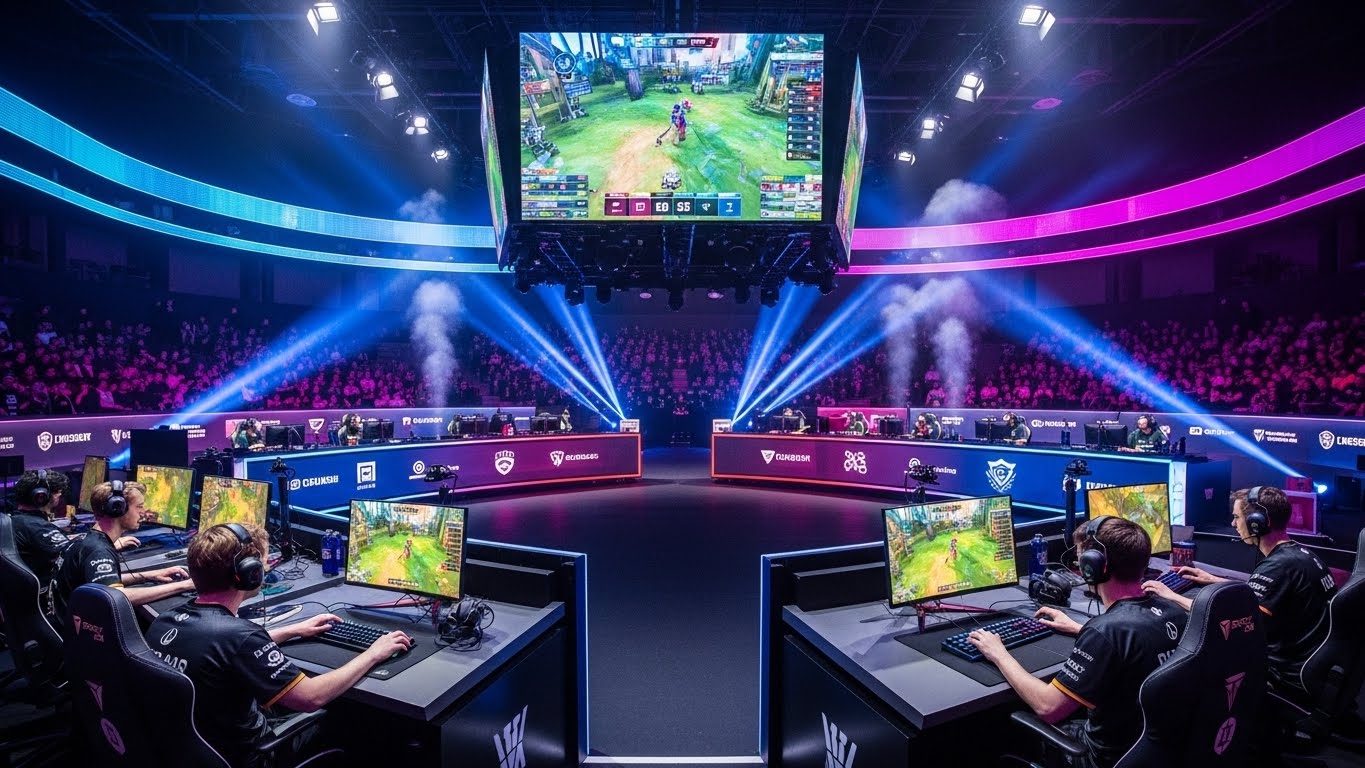
Introduction: The New Face of Competition
Esports, or electronic sports, has grown from a niche hobby enjoyed by small gaming communities into a global powerhouse of entertainment, competition, and culture. Unlike traditional sports that rely on physical strength or athleticism, esports demands sharp reflexes, strategic thinking, teamwork, and incredible mental resilience. What makes esports so fascinating is its ability to exist entirely in virtual spaces while still generating real-world impact. As millions of players and fans unite online, esports has become a new global language of competition. This blog explores the rise of esports, the forces driving its popularity, its cultural benefits, career opportunities, and how it is reshaping the future of entertainment.
The Evolution of Competitive Gaming
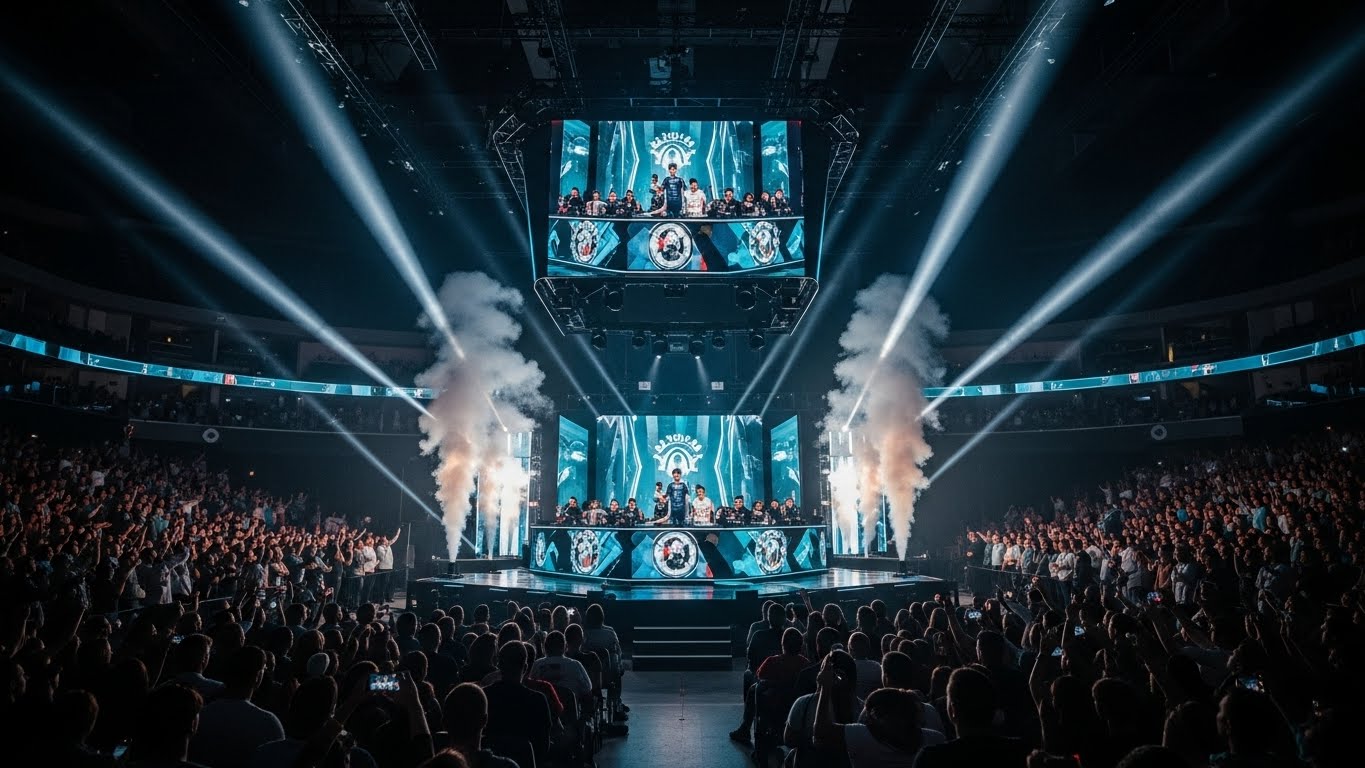
The story of esports is a remarkable journey. Early forms of competitive gaming started decades ago in arcades and small local events where players challenged each other in classic games. With the growth of computers, gaming consoles, and internet connectivity, competitive gaming took on a new life. Online multiplayer games allowed people from different corners of the world to compete instantly. This evolution laid the groundwork for modern esports, where professional players train like athletes, compete in massive tournaments, and attract global audiences. Today, esports events fill stadiums, draw millions of online viewers, and offer prize pools that rival traditional sports.
What Makes Esports a True Sport
While esports lacks the physical intensity of traditional sports, it deserves recognition as a legitimate competitive field. Players must develop exceptional coordination, fast reaction times, deep strategic knowledge, and consistent focus. Esports demands long hours of practice, disciplined routines, and strong teamwork. Many games require split-second decisions that determine the outcome of matches. This competitive structure mirrors traditional sports, with rules, teams, strategies, coaches, and spectators. Professional esports players undergo rigorous training and mental preparation, highlighting the seriousness and professionalism within the industry.
The Mental and Cognitive Benefits of Esports
Esports is often misunderstood as a leisure activity, yet it offers numerous cognitive and mental benefits. Competitive gaming trains the brain to process information rapidly, improving reflexes, memory, and problem-solving abilities. Players learn to analyze complex situations, make strategic decisions, and adapt to sudden changes. Esports also encourages patience, emotional control, and perseverance, especially during high-pressure matches. These skills extend beyond gaming and can positively influence school, work, and daily life. Team-based games also strengthen communication skills and leadership qualities, making esports a valuable platform for personal development.
The Role of Community in Esports
Community is the heart of esports. Unlike traditional sports that require physical venues, esports communities flourish online. Players connect, communicate, and compete from anywhere in the world. Forums, social platforms, fan groups, and game-specific communities bring like-minded people together. These spaces offer support, collaboration, and friendship, allowing players to share experiences, strategies, and achievements. For many people, especially younger generations, esports communities provide a sense of belonging and identity. The global nature of esports unites people across cultures, creating a shared space built on passion and respect for the game.
Career Opportunities in the Esports Industry
Esports is more than just competition; it has become a thriving industry offering a wide range of career paths. Professional players earn salaries through team contracts, sponsorships, and tournament winnings. Outside of competitive play, there are opportunities in coaching, analysis, content creation, event management, game development, broadcasting, marketing, and journalism. Many individuals pursue careers as streamers or content creators, building large audiences through their gaming skills and personalities. Universities around the world now offer esports programs and scholarships, recognizing the importance and potential of this growing field. Esports is no longer just a hobby; it is a viable career path supported by a rapidly expanding global industry.
How Technology Drives Esports Forward
Technology is the backbone of esports. High-performance gaming equipment, fast internet speeds, and advanced software all contribute to the competitive experience. Modern gaming systems allow players to compete with precision and fluidity, while communication platforms enable teams to coordinate strategies in real-time. Streaming platforms allow fans to watch matches live, providing commentary, analysis, and interaction that enhance the viewing experience. As technology continues to evolve, esports will become even more immersive. Future advancements in virtual reality, artificial intelligence, and augmented reality may reshape how players compete and how audiences engage with the games.
The Economic Impact of Esports
The economic influence of esports is immense. The industry generates revenue through sponsorships, advertisements, merchandise, media rights, and event sales. Major tournaments attract millions of viewers, drawing companies eager to invest in the growing market. Players become brand ambassadors, influencer figures, and global representatives for gaming culture. Cities hosting esports events benefit from tourism, business opportunities, and media attention. As the industry expands, esports creates jobs, supports technological innovation, and stimulates the global economy. Its financial growth highlights how digital entertainment has become a key player in the modern market.
Health and Wellness in Esports
Despite the excitement, esports is not without challenges. Long hours of gaming can lead to physical issues such as eye strain, posture problems, and repetitive strain injuries. Mental stress is also common, especially for professionals facing tight schedules and intense competition. To address these concerns, esports organizations increasingly focus on health and wellness. Many teams employ fitness trainers, nutritionists, mental coaches, and medical professionals to ensure players maintain balance and well-being. Healthy routines, regular breaks, proper ergonomics, and mental health support are becoming standard practices, proving that esports care about long-term growth and player sustainability.
Esports in Education and Youth Development
Esports has found its way into academic environments, transforming how young people engage with learning. Schools and colleges are now incorporating esports as extracurricular activities or structured programs. Students involved in esports develop teamwork, leadership, time management, and strategic thinking. These skills are essential for academic success and future careers. Educational institutions also promote esports as a way to prepare students for the digital world, opening pathways to careers in media, technology, and game design. Esports empowers youth by giving them confidence, opportunities, and a supportive community to thrive in.
Cultural Influence and Mainstream Acceptance
Esports has become a cultural force that extends beyond gaming. Professional players achieve celebrity status, influencing fashion, music, art, and lifestyle trends. Esports tournaments attract audiences similar to traditional sports events, and many stadiums are now equipped to host digital competitions. Gaming content dominates online platforms and social media, shaping modern entertainment culture. Esports also promotes diversity, allowing individuals from different backgrounds, genders, and identities to compete and succeed. This cultural influence demonstrates that esports is not just a technological trend but a significant shift in how new generations socialize, compete, and express themselves.
The Future of Esports
The future of esports is bright and filled with possibilities. As technology advances, esports will continue to evolve with new games, platforms, and innovations. Virtual reality competitions may create entirely new forms of gameplay. Interactive broadcasts might allow fans to influence matches or immerse themselves in the action. Educational programs, youth leagues, and global tournaments will expand, contributing to the growth of digital sports. Esports may also become part of international sporting events, further solidifying its place on the global stage. As the world becomes increasingly digital, esports will continue to shape entertainment, communication, and culture for generations to come.
Conclusion: The Global Power of Competitive Gaming
Esports has transformed the traditional idea of sports and competition. It has become a global phenomenon driven by passion, talent, skill, and technology. From developing cognitive abilities to building communities and offering career opportunities, esports provides countless benefits. Its growth reflects a world where digital experiences are becoming central to human interaction and culture. As esports continues to evolve, it will inspire millions to compete, connect, and create. The story of esports is still unfolding, but its influence on the modern world is undeniable. It is not simply a game; it is a powerful movement shaping the future of entertainment, education, and global connectivity.