arenabattle49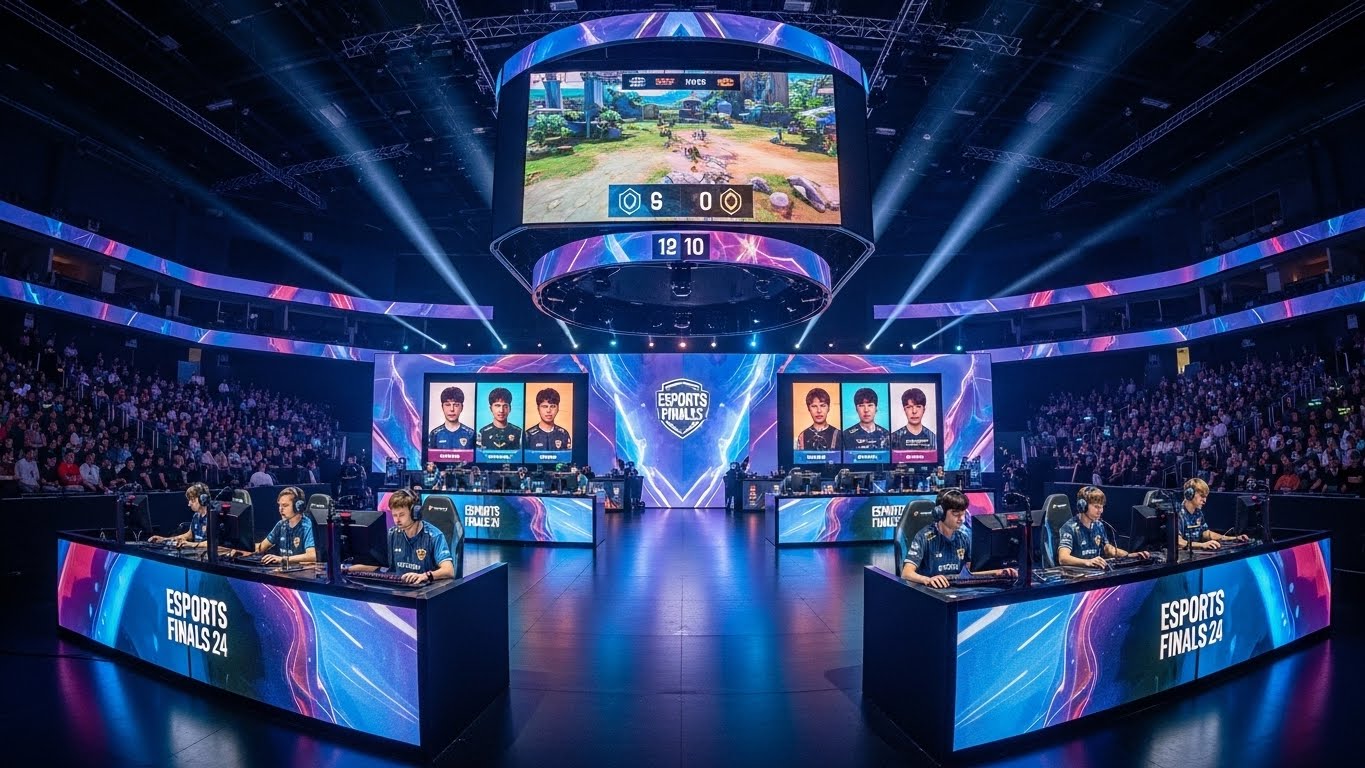
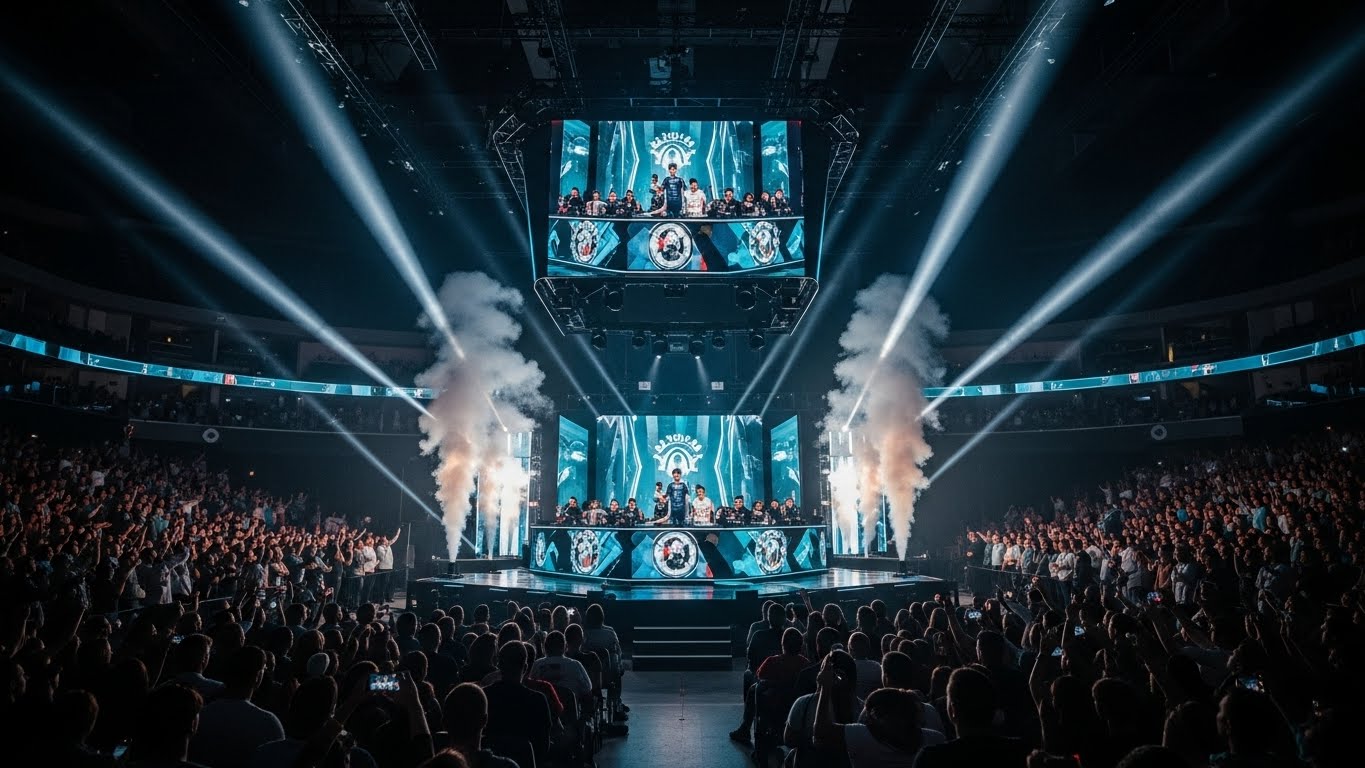
The world of entertainment is no longer confined to traditional sports, music, or film. In recent years, a new titan has emerged: esports. What was once a niche hobby for gamers has now blossomed into a global industry, with millions of fans, professional leagues, and substantial financial investments. Esports, or electronic sports, refers to competitive gaming where players or teams compete against each other in video games, often in front of massive live audiences or via streaming platforms. This revolution has not only changed the way we view gaming but has also reshaped the entertainment landscape as a whole.
The Evolution of Esports: From Casual Play to Professional Leagues
Esports is not a recent phenomenon, although its current global prominence might suggest otherwise. Its origins trace back to the 1990s when competitive video gaming first began to take shape. However, back then, tournaments were relatively small and isolated. Games like “Doom” and “Quake” were among the first titles to see competitive play, but it was the arrival of games like “StarCraft” and “Warcraft” that laid the foundation for the modern esports scene.
In the early 2000s, the creation of platforms like Xfire and the advent of high-speed internet paved the way for online gaming tournaments, connecting players worldwide. Games such as “Counter-Strike” and “League of Legends” began to attract a loyal following. By the time the 2010s arrived, esports had transitioned from a niche hobby to a legitimate professional sport. The rise of streaming platforms like Twitch, YouTube Gaming, and Mixer enabled players and fans to connect in unprecedented ways, further fueling the growth of esports into what we know today.
Esports: A Multi-Billion Dollar Industry
One of the most striking aspects of esports is its incredible financial growth. Today, esports is a multi-billion-dollar industry with millions of fans around the world. The global esports market was valued at over $1 billion in 2020 and continues to grow exponentially. Prize pools for major tournaments regularly reach millions of dollars, attracting top-tier players and teams from every corner of the globe.
Revenue in esports is generated from multiple streams, including sponsorship deals, advertising, media rights, merchandise sales, and ticket sales for live events. Major brands like Intel, Red Bull, Coca-Cola, and Nike have become key sponsors, recognizing the opportunity to market to a young, tech-savvy audience. Additionally, streaming platforms like Twitch and YouTube have monetized content through ads, subscriptions, and donations, further bolstering the financial ecosystem surrounding esports.
The rise of esports has also brought about a new wave of career opportunities. Professional players can earn salaries ranging from modest amounts to seven-figure earnings through tournament winnings, sponsorships, and streaming. Behind the scenes, esports organizations require coaches, analysts, team managers, content creators, and social media influencers to create a thriving competitive environment. The industry is now fully integrated into the global economy, with hundreds of jobs supporting the infrastructure of the esports ecosystem.
The Different Genres of Esports
Esports isn’t confined to just one type of game—there are a variety of genres that appeal to different audiences and require unique skill sets. The diversity in esports ensures there is something for everyone, from fans of fast-paced action games to those who appreciate strategy and team-based gameplay.
One of the most popular genres in esports is the Multiplayer Online Battle Arena (MOBA). Games like “League of Legends” and “Dota 2” are the flagbearers of this genre. In these games, two teams of five players compete to destroy the opposing team’s base, utilizing a wide range of characters, each with its own unique abilities. The complexity and strategic depth of MOBAs make them particularly suited for competitive play, and both “League of Legends” and “Dota 2” feature tournaments with multi-million-dollar prize pools.
Another major genre in esports is First-Person Shooters (FPS), where precision aiming and quick reflexes are paramount. Games like “Counter-Strike: Global Offensive” and “Valorant” lead the FPS esports scene. These games involve teams of players battling it out in objective-based missions such as bomb planting or hostage rescue. The tactical coordination and individual skill required to succeed in FPS games have made them staples of the esports world.
Real-Time Strategy (RTS) games, such as the legendary “StarCraft” series, focus on resource management, base building, and unit control. These games often require players to make split-second decisions while managing both the big picture and minute details. Though RTS games aren’t as dominant in esports as they once were, they still hold a special place in competitive gaming history.
Other genres gaining traction include Battle Royale games, such as “Fortnite” and “PUBG,” and fighting games like “Street Fighter” and “Super Smash Bros.” These genres offer unique challenges and attract different types of players and fans.
The Global Esports Audience
Esports has cultivated a global fan base that transcends borders, languages, and cultures. With over 500 million viewers worldwide, the reach of esports is unparalleled. The appeal of competitive gaming is broad, drawing in people of all ages, backgrounds, and nationalities. In fact, esports viewership often outpaces traditional sports in certain regions. For example, in countries like South Korea, esports is not only a national pastime but a cultural phenomenon, with dedicated TV channels broadcasting competitive events and esports stars achieving celebrity status.
Tournaments like “The International” (Dota 2) and the “League of Legends World Championship” attract millions of viewers online and in-person. The accessibility of streaming platforms like Twitch and YouTube has allowed esports to thrive, enabling fans to watch live matches, interact with players, and engage in community discussions. Social media platforms further amplify this connection, giving fans direct access to their favorite players and teams. As esports continues to grow, it is likely that we will see even more convergence between traditional sports and esports, as fans from both worlds become increasingly interconnected.
Esports Players: The New Superstars
Just like traditional athletes, esports players have become superstars in their own right. They are revered by fans, followed on social media, and even make substantial incomes through sponsorships and tournament winnings. Professional esports players are often highly skilled individuals who dedicate their lives to mastering their craft, and their training regimens reflect this commitment.
The lifestyle of an esports player is one of intense practice, study, and physical conditioning. Teams typically practice for 8–12 hours a day, developing strategies, refining their skills, and building team cohesion. While physical fitness might not be emphasized as much as in traditional sports, many esports teams now employ nutritionists and psychologists to ensure that players stay in peak mental and physical condition.
Players like Faker (Lee Sang-hyeok) from “League of Legends” and s1mple (Oleksandr Kostyliev) from “Counter-Strike: Global Offensive” have achieved legendary status within the esports community. They are not only highly skilled players but also role models for millions of aspiring gamers worldwide. The rise of esports stars is one of the most exciting aspects of the scene, as fans rally behind their favorite players, creating an entire ecosystem of fandom around individuals rather than teams alone.
Challenges Facing the Esports Industry
Despite its meteoric rise, esports faces several challenges that could influence its future. One of the main concerns is the sustainability of the industry. Many esports organizations still rely heavily on sponsorships and prize money, making them vulnerable to economic fluctuations. As the industry matures, there will be a need for diversification of revenue streams, such as subscription models, merchandise sales, and media partnerships.
Player burnout is another issue facing the esports community. The immense pressure to perform at the highest level, combined with long hours of practice, can take a toll on players’ mental and physical health. Teams are beginning to address this issue by incorporating psychologists and health professionals to help players manage stress and avoid burnout.
Another challenge is the potential for cheating, match-fixing, and other forms of unethical behavior. While esports has made significant strides in combating these issues, they still pose a threat to the integrity of competitive gaming. Tournament organizers and governing bodies are working on creating stricter regulations and systems to prevent cheating and ensure fair play.
The Future of Esports
Looking ahead, the future of esports seems incredibly bright. With technological advancements such as virtual reality (VR), augmented reality (AR), and artificial intelligence (AI), the potential for innovation in esports is limitless. VR could provide a more immersive gaming experience, while AI could assist in training and game analysis. These technologies could enhance both player performance and the fan experience, further cementing esports as a mainstream form of entertainment.
Esports’ growth also aligns with the continued rise of mobile gaming. With mobile esports tournaments on the rise, particularly in regions like Asia, it is only a matter of time before competitive mobile gaming becomes a major global player in the esports scene.
Additionally, we may see further integration between traditional sports and esports. Hybrid events, esports-inspired sports leagues, and collaborations between esports organizations and physical sports teams could blur the lines between digital and physical competitions. The inclusion of esports in major events like the Olympic Games could be on the horizon, offering even more legitimacy to the growing industry.
Conclusion
Esports has undoubtedly revolutionized the way we think about competitive gaming and entertainment. What started as a niche hobby has evolved into a global industry with millions of passionate fans, players, and professionals. As the esports ecosystem continues to grow, it will likely continue to influence everything from technology to culture, creating new opportunities for gamers, fans, and businesses alike.