arenabattle49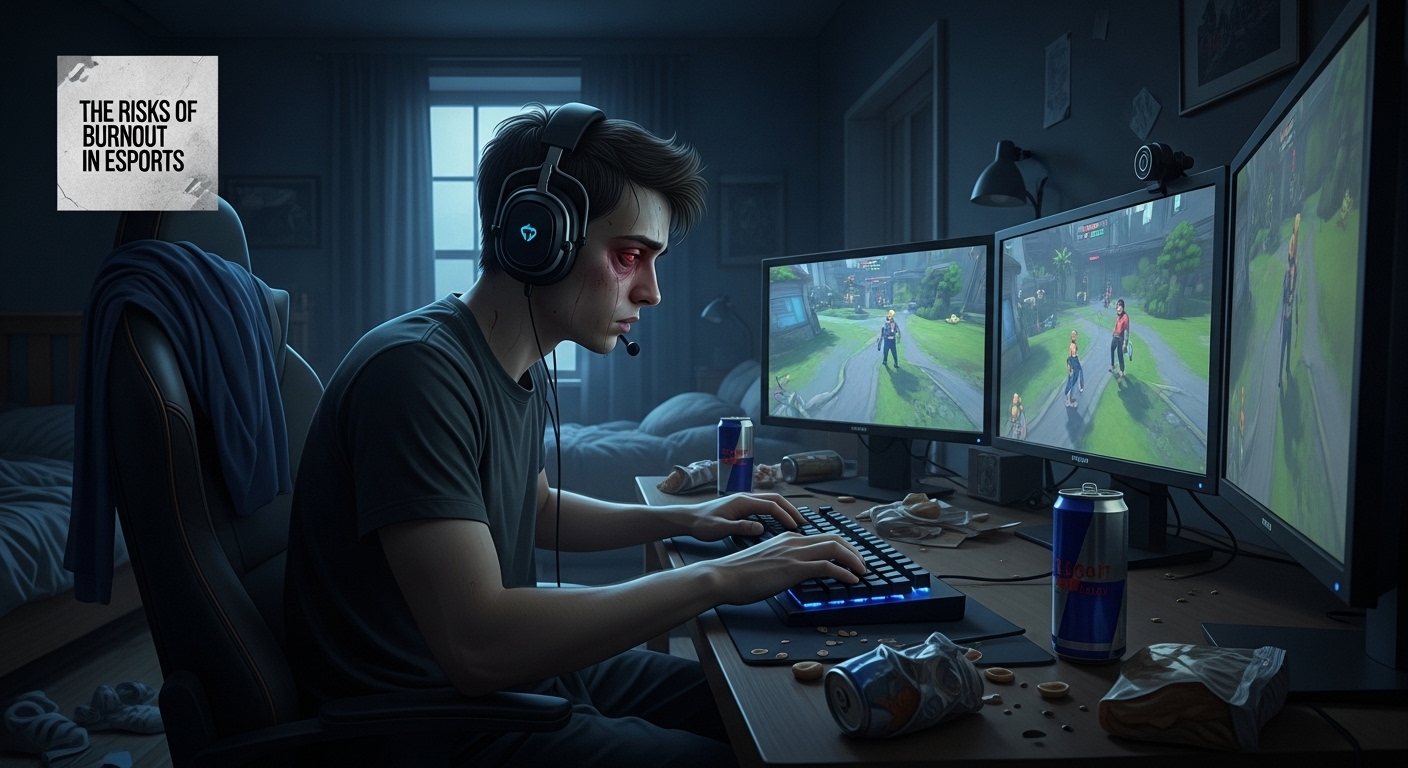
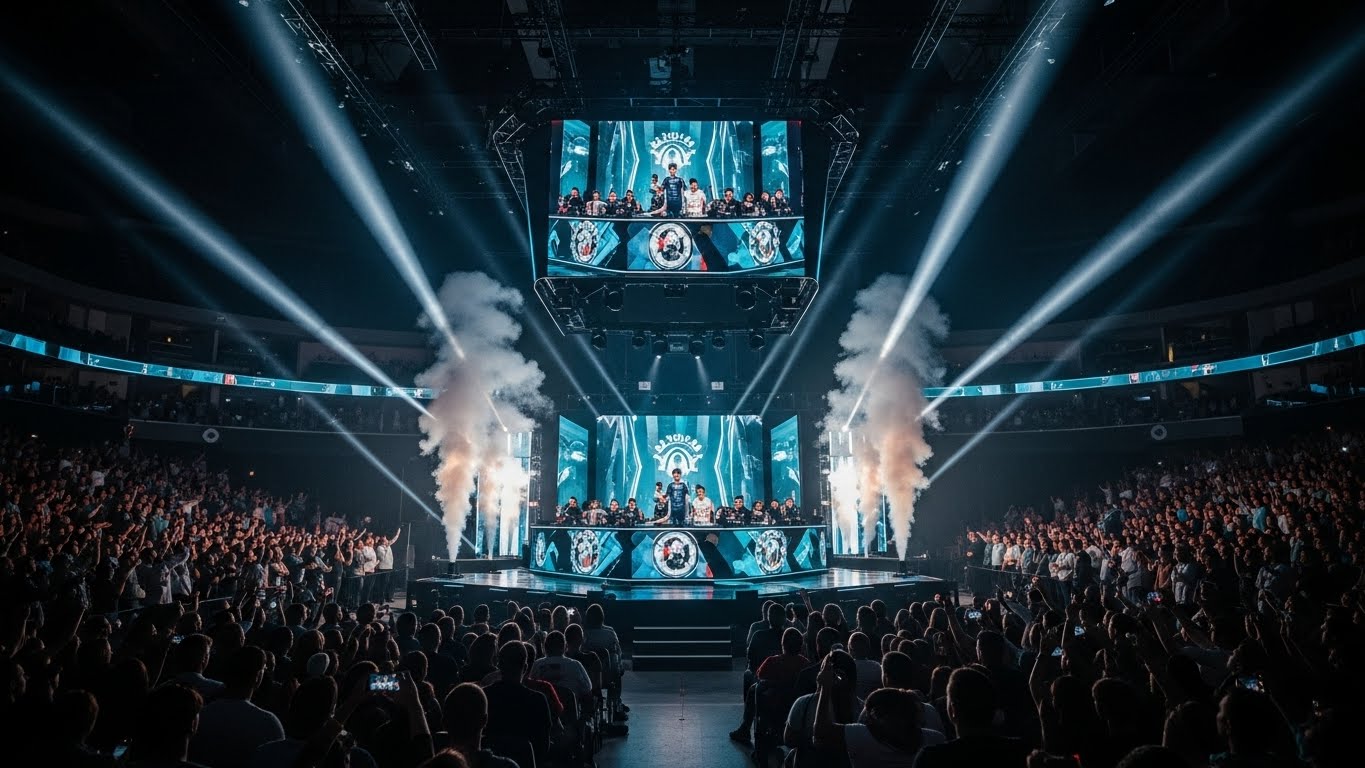
Esports, or competitive gaming, has grown from niche hobby to a billion-dollar industry in just over a decade. Players now compete on global stages, enjoy lucrative sponsorships, and have the potential to become household names. However, this meteoric rise comes with its own set of challenges. One of the most pressing yet often overlooked issues is burnout. Just as athletes in traditional sports face physical and mental strain, professional gamers are susceptible to the mental, emotional, and physical toll of long hours, high expectations, and relentless competition.
Burnout in esports is a complex issue that affects players, teams, and the broader industry. Understanding its risks, symptoms, and mitigation strategies is crucial not only for preserving the well-being of individual players but also for ensuring the sustainability of esports as a professional ecosystem.
What is Burnout?
Burnout is a state of emotional, mental, and often physical exhaustion caused by prolonged stress, overwork, or pressure. While it is commonly discussed in corporate and athletic settings, its prevalence in esports is only now being fully recognized. According to the World Health Organization, burnout is not classified as a medical condition but as an occupational phenomenon that can significantly affect one’s ability to function and perform.
In esports, burnout is typically the result of a combination of factors:
- Long practice hours: Many professional players practice 8–12 hours a day to maintain competitive performance.
- High-stakes competitions: Tournaments often come with enormous pressure to succeed, both for personal prestige and financial gain.
- Media and fan scrutiny: Gamers are increasingly in the public eye, facing criticism and high expectations from fans and media alike.
- Lack of downtime: Unlike traditional careers, professional gamers often struggle to separate work from personal life.
The result is a potent mix of physical exhaustion, emotional fatigue, and cognitive strain.
The Unique Stressors of Esports
Esports is unique compared to other high-pressure professions. Unlike traditional sports, it requires near-constant mental engagement, often with minimal physical movement. However, this doesn’t make it less demanding; in fact, it introduces its own set of risks.
1. Intensive Training Schedules
Top-tier esports athletes often practice for 10–12 hours a day, sometimes more, to maintain reflexes, game sense, and coordination. Unlike physical sports where recovery includes rest days and physical therapy, esports training is mentally exhausting and repetitive. Extended screen time, coupled with high-intensity focus, contributes to cognitive fatigue, eye strain, and headaches.
2. Travel and Competition Fatigue
International competitions and tournaments often involve long flights, jet lag, and disrupted sleep schedules. Players may find themselves performing under extreme conditions without adequate recovery. Unlike traditional sports where physical fatigue is more visible, mental and emotional exhaustion in esports can go unnoticed until performance significantly declines.
3. Public and Media Pressure
The rise of streaming platforms and social media means players are constantly in the public eye. Fans have high expectations, and negative comments can amplify stress. A single poor performance can result in harsh criticism, sometimes leading to anxiety and depression. The pressure to maintain an online persona alongside competitive performance adds another layer of strain.
4. Career Uncertainty
Esports careers are notoriously short. Many players retire in their mid-20s, often due to declining reflexes or burnout itself. The uncertainty about career longevity and financial stability can create chronic stress, which exacerbates burnout symptoms.
Symptoms of Burnout in Esports
Recognizing burnout early is critical for prevention and intervention. Symptoms can manifest physically, emotionally, and mentally.
Physical Symptoms
- Chronic fatigue and sleep disturbances
- Headaches and eye strain from prolonged screen time
- Muscle tension and repetitive strain injuries (RSIs), especially in wrists and hands
- Changes in appetite or weight
Emotional Symptoms
- Loss of motivation or enjoyment for the game
- Irritability, frustration, and mood swings
- Feelings of helplessness or low self-esteem
- Anxiety and depression
Cognitive Symptoms
- Difficulty concentrating or making strategic decisions
- Decline in reaction time and overall gameplay performance
- Memory problems and reduced ability to process information
- Mental “fog” or feeling detached from the game
Burnout in esports can also result in long-term consequences, including chronic stress disorders, depression, and anxiety, which may extend beyond a player’s competitive career.
Case Studies: Burnout in Esports
Several high-profile examples highlight the real-world impact of burnout.
- Lee “Faker” Sang-hyeok, a legendary League of Legends player, has spoken about the mental strain of maintaining top-tier performance over many years. Even elite players are not immune to stress-related fatigue.
- Dennis “Thresh” Fong, one of the first professional gamers, retired early due to burnout and stress from the competitive scene.
- Teams in esports leagues such as Overwatch League and LCS have increasingly emphasized mental health support to prevent burnout after witnessing declines in player performance and wellbeing.
These examples underscore that burnout is not a sign of weakness but a predictable outcome of extreme mental and emotional pressure.
Contributing Factors Beyond Gameplay
Burnout in esports is influenced by more than just hours spent playing games. Several systemic and lifestyle factors contribute to the risk:
1. Lack of Structured Breaks
Unlike traditional jobs with standard work hours and scheduled breaks, esports players often practice until exhaustion. The absence of structured downtime reduces recovery and increases cumulative stress.
2. Inadequate Mental Health Support
Many esports organizations have only recently started implementing mental health programs. Without access to psychologists or counselors, players may struggle to cope with stress, anxiety, or depression.
3. Social Isolation
Professional gamers often spend long hours indoors, interacting primarily through online platforms. Social isolation can exacerbate mental health issues and reduce emotional resilience.
4. Poor Sleep Hygiene
Late-night gaming, inconsistent schedules, and exposure to blue light interfere with sleep patterns, which are critical for cognitive function, reaction times, and emotional regulation.
Consequences of Burnout
The implications of burnout extend beyond the individual player.
1. Decline in Performance
Burnout often leads to reduced reaction time, poor decision-making, and inconsistent gameplay. For professional teams, this can mean losses in tournaments, decreased sponsorships, and reputational damage.
2. Physical Health Issues
Long-term screen time, poor ergonomics, and stress can lead to chronic health issues such as carpal tunnel syndrome, migraines, and cardiovascular strain.
3. Mental Health Risks
Chronic burnout can trigger depression, anxiety disorders, and substance abuse. The stigma surrounding mental health in gaming can delay treatment, worsening outcomes.
4. Team and Organizational Impact
Teams may experience higher turnover rates, conflicts, and a toxic work environment if burnout is widespread. Sponsors and investors may also be deterred if player well-being is neglected.
Prevention and Mitigation Strategies
Addressing burnout requires a combination of personal, organizational, and industry-wide strategies.
1. Structured Schedules and Rest
Organizations should design training schedules with adequate breaks and mandatory rest days. Limiting daily practice hours and enforcing downtime can improve performance and mental health.
2. Mental Health Support
Access to psychologists, counselors, and stress management resources is crucial. Mental health should be normalized and prioritized alongside physical performance.
3. Ergonomic and Physical Care
Proper equipment, adjustable chairs, and anti-glare monitors can reduce physical strain. Incorporating physical exercise, stretching routines, and eye care can prevent long-term injuries.
4. Mindfulness and Stress Management
Meditation, deep-breathing exercises, and other mindfulness practices can help players manage anxiety and emotional fatigue. Teams can incorporate these into daily routines.
5. Community and Social Support
Encouraging social interactions outside the gaming environment can reduce isolation. Team-building activities and peer support networks foster resilience.
6. Career Planning and Education
Preparing players for life after esports reduces anxiety about the future. Education, vocational training, and financial planning can provide security and purpose beyond gaming.
The Role of Esports Organizations
Esports organizations play a pivotal role in preventing burnout. Forward-thinking teams recognize that sustainable performance requires holistic care. Some initiatives include:
- Hiring full-time mental health professionals
- Monitoring player workload and performance metrics
- Encouraging open communication about stress and mental health
- Partnering with wellness apps or programs to provide structured routines
The industry as a whole must shift from a culture of relentless practice to one that values player longevity and mental health.
The Future of Burnout Management in Esports
As esports continues to grow, so too must the focus on player well-being. Research into cognitive load, sleep, stress, and performance optimization is beginning to inform best practices. Emerging trends include:
- AI-driven performance and health monitoring
- Virtual reality and ergonomic training solutions
- Global awareness campaigns about mental health in gaming
These initiatives signal a growing recognition that competitive gaming is not just about reflexes and strategy—it is a profession that demands mental resilience, physical care, and emotional support.
Conclusion
Burnout in esports is a real and pressing risk, affecting players, teams, and the industry at large. The intense demands of competitive gaming, combined with social pressure, long hours, and career uncertainty, make professional gamers particularly susceptible to mental, emotional, and physical exhaustion.
Addressing burnout requires comprehensive strategies at both the individual and organizational levels. Structured schedules, mental health support, ergonomic care, stress management techniques, and career planning can all mitigate risk. Organizations that prioritize player well-being will not only enhance performance but also ensure the long-term sustainability of their teams and the esports ecosystem as a whole.