arenabattle49
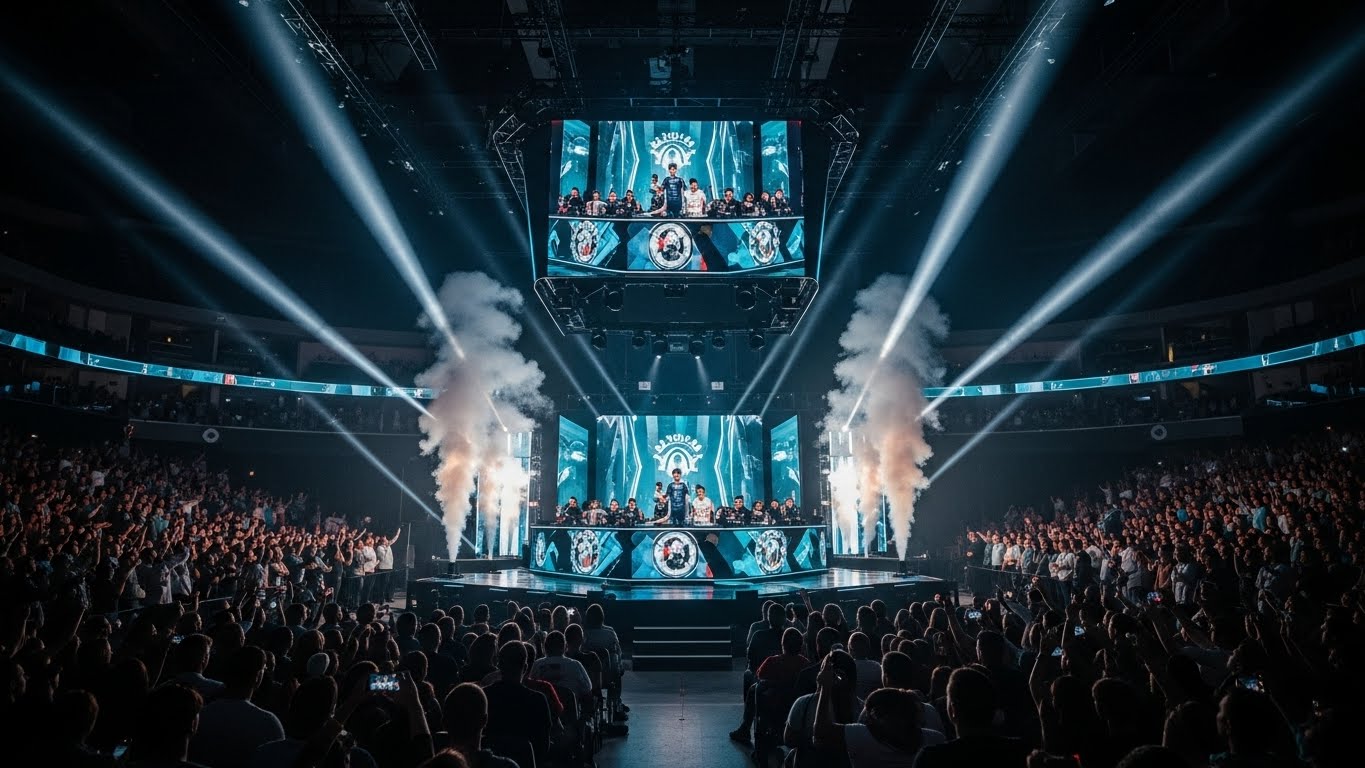
Esports, once considered a niche hobby, has grown into a global entertainment powerhouse that attracts millions of players, fans, and viewers from around the world. From local tournaments to massive international championships, esports has evolved into an industry worth billions of dollars. It is a testament to the growing significance of gaming as a competitive sport, a social activity, and even a career choice for many. This post delves into the world of esports, exploring its rise, its cultural impact, and the future potential it holds.
What is Esports?
Esports, short for electronic sports, refers to competitive video gaming at a professional level. Just like traditional sports, esports involves organized competitions where players or teams compete against one another in video games. These games can range from strategy-based games like League of Legends to first-person shooters such as Counter-Strike: Global Offensive and Overwatch. Esports also includes multiplayer online battle arenas (MOBAs), real-time strategy games, and sports simulation games like FIFA.
The key distinguishing feature of esports is its competitive nature. Professional players train rigorously to improve their skills, much like athletes in traditional sports. Tournaments are organized at various levels, from local competitions to international championships, with large cash prizes, sponsorship deals, and global recognition at stake.
The Growth of Esports
The growth of esports over the past two decades has been nothing short of extraordinary. What started as small LAN (Local Area Network) parties and informal online gaming competitions has transformed into a multi-billion-dollar industry. The rise of live streaming platforms, most notably Twitch and YouTube Gaming, has provided a platform for gamers to showcase their skills, build fan bases, and interact with viewers in real-time.
One of the key drivers of esports’ rapid growth is the increasing accessibility of video games. With the proliferation of gaming consoles, PCs, and mobile devices, more people are able to engage with esports at various levels. Additionally, the development of online multiplayer games has made it easier for players to compete against one another from anywhere in the world. This global connectivity has helped esports reach audiences across continents, bringing together a diverse community of players and fans.
The rise of esports has also been fueled by the increasing legitimacy of gaming as a competitive sport. Over the years, esports tournaments have attracted millions of viewers, both online and in person. Some of the largest esports events, such as The International (Dota 2) and League of Legends World Championship, offer prize pools worth millions of dollars. The level of professionalism and the financial stakes have elevated esports to the status of a legitimate career path for many players, coaches, and analysts.
The Global Appeal of Esports
Esports has a unique ability to transcend cultural, geographic, and linguistic barriers. Unlike traditional sports that may be popular only in certain regions, esports has a universal appeal. Whether it’s the competitive spirit of Dota 2, the team dynamics of Overwatch, or the tactical gameplay of Counter-Strike, people from different countries and backgrounds can connect over their shared love of gaming.
This global appeal is partly due to the accessibility of online platforms that host esports events. Fans can watch live streams of tournaments from anywhere in the world, often with commentary in multiple languages. In addition, esports organizations and teams have become internationally recognized, with players and fans from various regions creating a sense of belonging to a global community.
Esports is not limited to a specific demographic. While gaming has traditionally been associated with younger audiences, the appeal of esports has extended to all age groups. As the esports industry has matured, it has attracted corporate sponsors, mainstream media coverage, and even universities offering scholarships to promising players. This shift has helped to normalize esports as a mainstream form of entertainment.
The Economic Impact of Esports
Esports has become an economic force, generating billions of dollars in revenue each year. The industry generates income through various channels, including sponsorships, advertising, merchandise sales, ticket sales for live events, and media rights. Big-name brands such as Intel, Red Bull, and Coca-Cola have all invested heavily in the esports space, recognizing the immense potential of the market.
A major revenue driver for esports is its online streaming platforms. Twitch, the largest platform for live-streamed gaming, was acquired by Amazon for nearly $1 billion in 2014. These platforms attract millions of viewers daily, with some tournaments drawing in over 30 million live viewers. As a result, advertising and sponsorships have become a major source of income for both individual streamers and esports organizations.
In addition to revenue generated by streaming platforms, esports tournaments themselves generate significant amounts of money. Prize pools, sponsorship deals, and ticket sales from major events contribute to the overall economic impact of esports. For example, The International, the annual Dota 2 tournament, has had prize pools exceeding $40 million, with millions more in sponsorships and media rights.
Beyond professional players, the esports ecosystem includes coaches, analysts, broadcasters, content creators, and event organizers, all of whom contribute to the economic activity surrounding esports. The growth of esports has also led to the creation of job opportunities in marketing, software development, and event production, further solidifying its role as a major industry.
Esports and Its Influence on Traditional Sports
Esports’ rise has had a significant impact on traditional sports. While some may have initially viewed esports as a passing trend, it has now become a legitimate form of competition that commands attention. Many traditional sports teams have recognized the potential of esports and have started to invest in esports organizations. Football clubs such as FC Barcelona and Manchester City have launched their own esports teams, and major basketball franchises like the NBA have even launched professional esports leagues.
The connection between esports and traditional sports goes beyond investment. Many esports players adopt the same training regimens and professional mindsets as traditional athletes. Coaches, psychologists, and fitness trainers have started to work with esports players to improve their performance, much like in traditional sports. Esports organizations are now employing multi-disciplinary teams to help players maintain peak performance, both mentally and physically.
The Role of Esports in Social Engagement
Esports offers a unique form of social interaction. Unlike traditional sports, where fans typically watch games in stadiums or on television, esports fosters an online community where fans can interact with players, commentators, and fellow viewers in real time. Social media platforms, forums, and streaming services allow fans to share their opinions, cheer for their favorite teams, and even participate in live discussions.
Esports has also become a platform for social activism and change. Many esports organizations are using their platform to raise awareness about issues such as mental health, diversity, and inclusion. For example, the #BlackLivesMatter movement gained significant visibility through esports tournaments, with many players using their influence to support the cause.
Furthermore, esports tournaments and events often serve as gatherings for fans to socialize, exchange ideas, and celebrate their shared passion for gaming. In a world where digital communication has become the norm, esports has created a sense of community that extends far beyond the game itself.
The Future of Esports
The future of esports looks bright, with the industry expected to continue growing at an exponential rate. New technologies, such as virtual reality (VR) and augmented reality (AR), will likely play a major role in transforming the way games are played and experienced. Additionally, the rise of mobile esports has opened new doors for competition, allowing players from all over the world to compete on an even playing field.
The continued mainstream acceptance of esports will lead to more opportunities for players, fans, and investors. With esports being included in prestigious events like the Asian Games and growing interest from universities offering esports scholarships, the competitive gaming landscape will only continue to thrive. The integration of esports into traditional media, including television broadcasts, will help to further cement its place in the global entertainment industry.
Conclusion
Esports has evolved from a hobby into a global phenomenon. The rise of competitive gaming has transformed the gaming landscape, creating a multi-billion-dollar industry that continues to attract millions of players, fans, and viewers. Esports is more than just a form of entertainment; it is a competitive sport that is reshaping the way we think about competition, community, and career opportunities. As technology advances and the esports industry continues to grow, its influence will only become more significant. Esports has firmly established itself as a dominant force in the world of entertainment, and its future looks incredibly promising.