arenabattle49
Introduction
In the past decade, esports has transformed from a niche hobby into a global phenomenon, captivating millions of fans and redefining what it means to be a professional gamer. Once dismissed as mere entertainment or a pastime for enthusiasts, competitive gaming now stands as a legitimate industry with substantial economic, cultural, and social impact. This evolution has been fueled by technological advancements, streaming platforms, and the growing legitimacy of esports tournaments, making it a compelling subject for both enthusiasts and casual observers. This blog explores the rise of esports, its current landscape, the factors driving its popularity, and the challenges and opportunities that lie ahead.
Understanding Esports
Esports, short for electronic sports, refers to organized, competitive video gaming where individuals or teams compete in tournaments and leagues across a variety of genres. These competitions can range from small local events to massive international tournaments with multi-million-dollar prize pools. Unlike traditional sports, esports encompasses a digital platform where the skills of players are showcased virtually rather than physically. The games themselves vary widely, including multiplayer online battle arena (MOBA) games, first-person shooters (FPS), sports simulations, and real-time strategy games. Each genre requires a unique set of skills, strategic thinking, teamwork, and reflexes, challenging the traditional notion that gaming is solely recreational.
The Evolution of Competitive Gaming
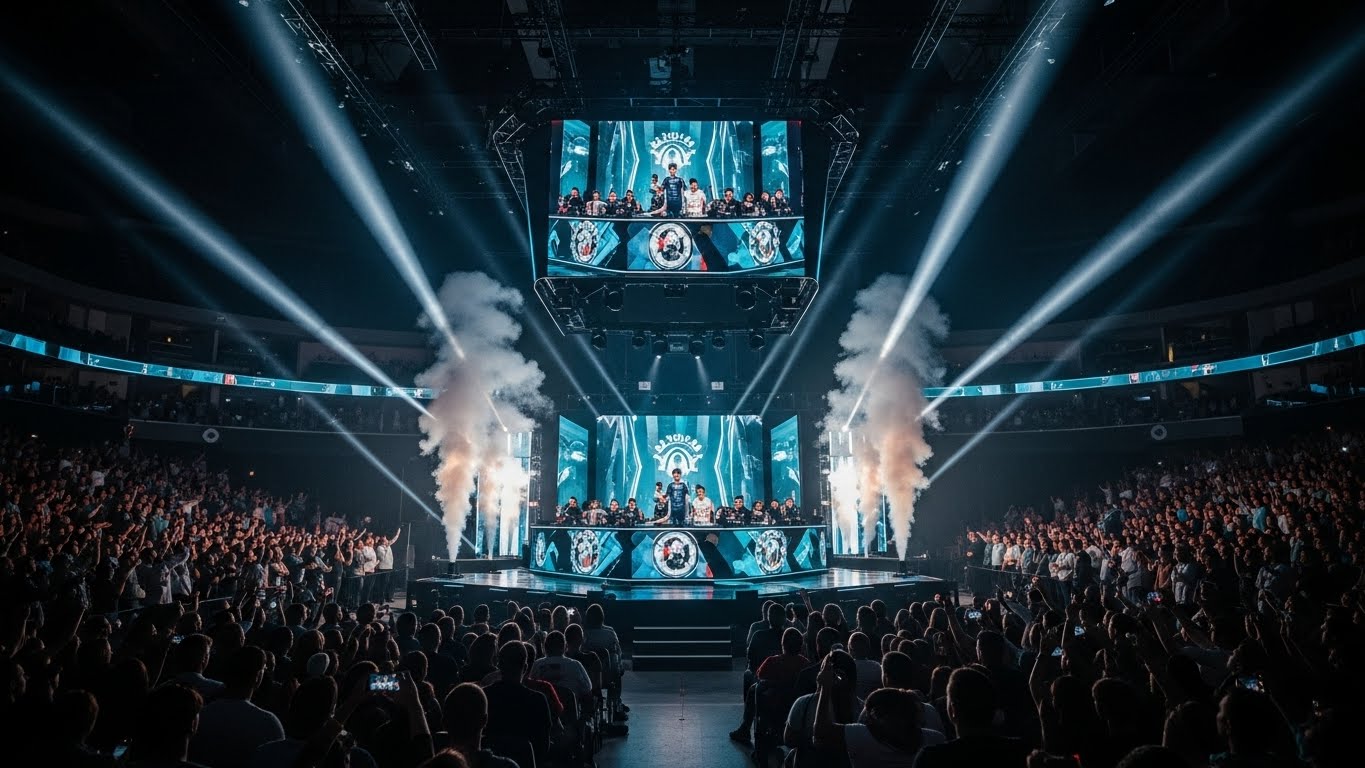
Competitive gaming has existed since the early days of arcade and console games, but it remained largely informal until the late 1990s and early 2000s. Early tournaments, such as the Red Annihilation Quake tournament in 1997, laid the groundwork for the organized esports scene. However, it was not until the rise of internet connectivity and online multiplayer games that esports gained traction on a global scale. Games like StarCraft in South Korea sparked the first true esports craze, creating professional leagues and televised matches that drew thousands of viewers. Over the years, the industry has expanded, with games like League of Legends, Dota 2, Counter-Strike, and Fortnite pushing esports into mainstream consciousness. Today, esports tournaments rival traditional sports events in terms of production quality, audience size, and commercial investment.
Popular Esports Games
The diversity of esports games has contributed to its widespread appeal. Multiplayer online battle arena games such as League of Legends and Dota 2 dominate the competitive scene with complex strategies, teamwork, and high-level coordination. First-person shooters like Counter-Strike: Global Offensive, Call of Duty, and Valorant attract fans who appreciate fast-paced action, precision, and reflex-based gameplay. Sports simulation games such as FIFA and NBA 2K offer a virtual representation of traditional sports, allowing fans to engage with familiar franchises in new ways. Battle royale games like Fortnite and Apex Legends provide an unpredictable, high-stakes environment where players must survive against dozens of opponents, creating thrilling spectator experiences. Each game attracts a unique audience, demonstrating the versatility and inclusiveness of esports as a global phenomenon.
The Role of Streaming Platforms
One of the most significant drivers of esports’ growth has been the rise of streaming platforms. Platforms like Twitch, YouTube Gaming, and Facebook Gaming have made esports accessible to millions of viewers worldwide, allowing fans to watch live competitions, interact with players, and participate in a shared community. Streaming has not only increased visibility but also created a revenue model for players and content creators through subscriptions, donations, sponsorships, and advertising. This accessibility has bridged the gap between professional players and fans, creating a sense of community and engagement that traditional sports sometimes struggle to achieve. The interactivity of live streaming also allows viewers to gain insights into player strategies, making the experience more educational and immersive.
Economic Impact of Esports
Esports is no longer just a cultural trend; it is a booming economic force. The global esports market has grown exponentially, generating billions of dollars annually through sponsorships, advertising, media rights, merchandise, and ticket sales. Major tournaments now offer prize pools in the tens of millions, attracting not only gamers but also investors, brands, and media companies. Countries like South Korea, China, and the United States have recognized esports as a legitimate industry, establishing professional leagues and even integrating esports into educational programs. The economic impact also extends to ancillary industries, including gaming hardware, software development, event management, and marketing, creating employment opportunities and driving technological innovation.
Social and Cultural Significance
Beyond economics, esports has significant social and cultural implications. It has redefined the concept of athleticism, showing that mental agility, strategic thinking, and teamwork can be just as competitive and rewarding as physical prowess. Esports also promotes inclusivity by allowing players of different ages, genders, and backgrounds to compete on an equal footing. Communities have formed around shared interests, fostering friendships, collaboration, and mentorship. Major tournaments are cultural events, often streamed live to millions and celebrated like traditional sports championships. Esports has also influenced fashion, music, and entertainment, creating a unique subculture that resonates with younger generations.
Challenges Facing Esports
Despite its rapid growth, esports faces several challenges. One significant concern is the physical and mental health of professional players, who often endure long hours of practice, travel, and competition. Burnout, repetitive strain injuries, and mental stress are common issues in the industry. Additionally, the lack of standardized regulations and governance poses challenges related to fairness, cheating, and doping. The gender gap remains an ongoing issue, with female gamers facing underrepresentation and discrimination in certain competitive environments. Furthermore, esports must navigate the perception of gaming as a legitimate career, as traditional society sometimes dismisses it as an unconventional or unstable profession. Addressing these challenges is crucial for the sustainable growth and credibility of the industry.
Future of Esports
The future of esports appears promising, with technological innovations and increasing mainstream acceptance driving continued growth. Virtual reality and augmented reality gaming have the potential to transform the spectator and player experience, offering immersive, interactive competitions. Artificial intelligence and advanced analytics are enhancing player training, strategy development, and fan engagement. Universities and colleges are incorporating esports programs, scholarships, and professional pathways, legitimizing competitive gaming as a viable career. As audiences continue to expand globally, esports may rival traditional sports not only in popularity but also in cultural significance. The industry’s evolution will likely bring new formats, genres, and opportunities, further solidifying its place in the entertainment ecosystem.
Conclusion
Esports has evolved from a fringe hobby into a global powerhouse, reshaping the entertainment landscape and challenging traditional perceptions of sports and competition. Its growth has been driven by technological innovation, strategic game development, streaming platforms, and a passionate global community. While challenges remain, the industry’s economic, social, and cultural impact cannot be overstated. As esports continues to mature, it promises to offer exciting opportunities for players, fans, and businesses alike. The rise of esports is not just a story about gaming; it is a story about how digital technology is redefining competition, community, and culture in the 21st century.