arenabattle49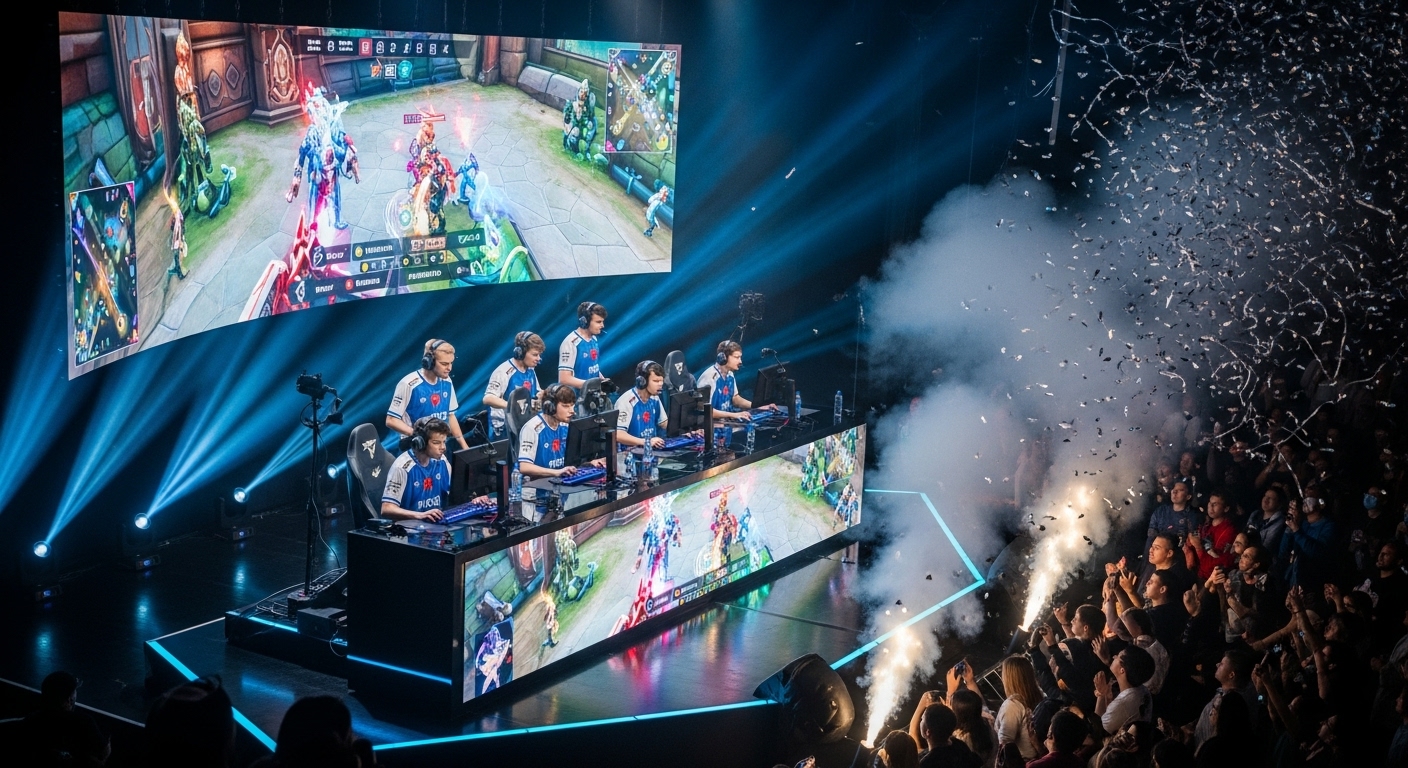
Introduction
Esports, or competitive video gaming, has grown from a niche hobby into a global phenomenon. What began as small gatherings of enthusiasts has transformed into a professional industry attracting millions of players, fans, and investors worldwide. Today, esports tournaments rival traditional sports events in scale, viewership, and prize money. This blog explores the world of esports, its history, cultural impact, economic significance, and future potential.
The Origins of Esports
The concept of competitive gaming dates back to the early days of video games. In the 1970s and 1980s, arcades were hotspots for players competing for high scores. Early competitions, like the Space Invaders Championship in 1980, drew hundreds of participants and demonstrated that gaming could be more than entertainment—it could be a contest of skill and strategy.
With the rise of home consoles and personal computers in the 1990s, esports evolved further. Games such as StarCraft, Quake, and Counter-Strike fostered competitive communities, particularly in South Korea, where professional gaming became a recognized career path. These early developments laid the foundation for the esports industry we see today.
The Esports Industry Today
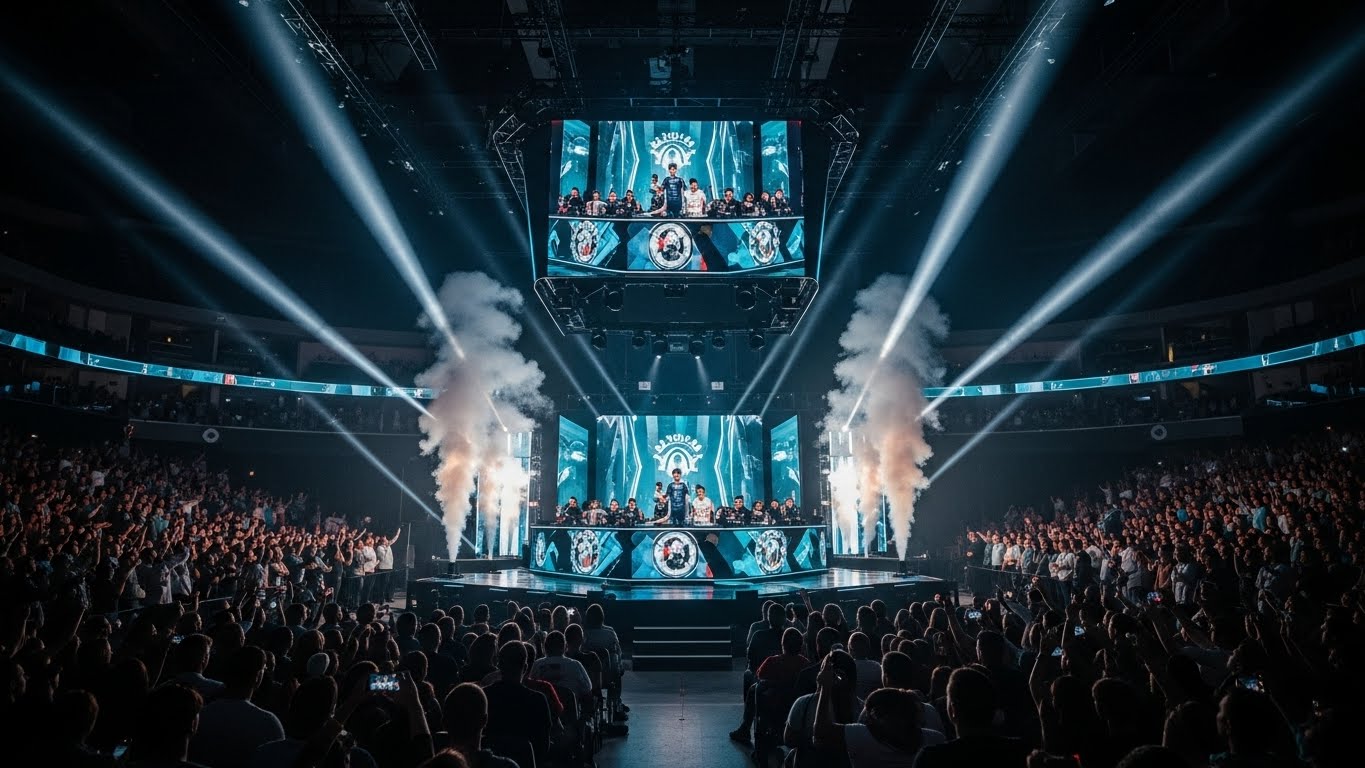
Esports is now a multi-billion-dollar global industry. Professional leagues, franchises, and tournaments attract millions of viewers both online and in arenas. Major events, such as The International for Dota 2 or the League of Legends World Championship, offer prize pools worth millions of dollars, rivaling traditional sporting events.
Streaming platforms have played a crucial role in this growth. Gamers can broadcast their gameplay to global audiences in real-time, creating new ways to engage with fans. Content creators, commentators, and analysts contribute to an ecosystem that turns gameplay into entertainment, education, and community-building.
The industry also spans various game genres, including first-person shooters, real-time strategy, sports simulations, and battle royale games. This diversity ensures that esports continues to appeal to a wide audience with varied interests.
The Professional Gamer: Training and Lifestyle
Professional esports players are no longer casual gamers. They follow rigorous training schedules similar to traditional athletes. Training often involves practicing specific game mechanics, studying opponents, and analyzing past performances to improve strategy. Mental focus, reflexes, and teamwork are essential skills for competitive success.
Physical fitness is also emphasized. Professional players understand that endurance, posture, and overall health directly impact performance. Nutrition, exercise, and mental health routines are integral to maintaining peak performance during long tournaments and high-stress matches.
The lifestyle of a professional gamer can be demanding, requiring discipline, focus, and a balance between personal life and competitive commitments. Yet for those who succeed, esports provides a lucrative career and global recognition.
The Cultural Impact of Esports
Esports has transformed not only gaming but also popular culture. Characters, storylines, and strategies from esports games have influenced music, fashion, and even mainstream media. Esports personalities have become celebrities in their own right, with fan followings rivaling those of traditional athletes and entertainers.
Esports also fosters community. Online forums, fan groups, and social media platforms allow enthusiasts to share strategies, celebrate victories, and connect with like-minded individuals. In many cases, esports communities are inclusive spaces that encourage collaboration, learning, and mutual support.
Furthermore, esports challenges traditional perceptions of competition. It demonstrates that intellectual skill, strategy, and reflexes are as important as physical prowess, expanding our understanding of what constitutes athleticism and achievement.
The Economic Significance of Esports
The economic impact of esports is substantial. From game developers to event organizers, sponsors, merchandise, and streaming platforms, the industry generates significant revenue streams. Major tournaments attract sponsorships from global brands, and esports advertising has become a powerful tool for companies seeking to reach younger, tech-savvy audiences.
Investments in esports infrastructure, such as training facilities and arenas, have created jobs and fueled technological innovation. Universities now offer esports scholarships and programs, recognizing competitive gaming as a viable career path.
Additionally, esports drives technology adoption, influencing developments in graphics, streaming software, and virtual reality, which extend far beyond gaming and into broader digital industries.
The Role of Streaming and Content Creation
Streaming platforms have been pivotal in the growth of esports. Platforms allow gamers to broadcast live matches, share tutorials, or engage with fans directly. This accessibility has turned esports into an entertainment medium as much as a competitive one.
Content creators contribute to esports culture by providing commentary, analysis, and educational material. Fans gain insights into strategies, game mechanics, and professional gameplay, enhancing their experience and engagement. The interaction between streamers and audiences also strengthens community bonds, creating shared experiences and global fanbases.
Streaming has also opened doors for amateur gamers. Aspiring players can showcase their skills, attract attention from professional teams, and potentially launch a career in esports. This democratization of access has broadened the talent pool and fueled the industry’s rapid growth.
Challenges Facing the Esports Industry
Despite its success, esports faces challenges. The industry must address issues such as player burnout, online harassment, and cheating. Professional players often experience high levels of stress, long hours, and intense public scrutiny. Ensuring mental health support and fair working conditions is critical for sustainability.
Additionally, the rapid growth of esports has attracted regulatory scrutiny. Questions about contracts, labor rights, and competition fairness are becoming more prominent. The industry must establish standards and governance to maintain credibility and protect players’ interests.
Inclusivity remains another challenge. While esports is more diverse than traditional sports in some ways, gender disparity and underrepresentation persist. Initiatives promoting diversity and inclusivity are essential to ensure that esports remains welcoming to all participants.
Esports and Education
Esports has increasingly intersected with education. Schools and universities have established esports programs and scholarships, recognizing the skills developed through competitive gaming, such as teamwork, strategic thinking, and digital literacy.
Educational institutions are also using esports to teach broader subjects. Game design, marketing, and broadcasting skills are all relevant to the esports ecosystem, providing students with practical, in-demand skills for the digital economy.
Furthermore, esports encourages personal development. Students learn about discipline, goal-setting, and perseverance, lessons that extend beyond gaming and into professional and personal life.
The Future of Esports
The future of esports looks bright and full of potential. Virtual reality and augmented reality promise new immersive experiences, while artificial intelligence may enhance training, strategy, and game design. Cross-platform play and mobile esports continue to expand accessibility, reaching new audiences around the globe.
Esports is likely to gain further legitimacy as a professional pursuit, with more universities, leagues, and international competitions. It will also continue to influence mainstream media, merging with entertainment, technology, and cultural trends.
As the industry matures, sustainability, inclusivity, and ethical standards will play crucial roles in shaping its trajectory. Esports has the potential to become not only a dominant form of competition but also a model for innovation, community, and global connection.
Conclusion
Esports has redefined the meaning of competition in the digital age. It combines strategy, skill, teamwork, and entertainment, creating a vibrant global industry that rivals traditional sports in both scale and influence. From its humble origins in arcades to massive international tournaments, esports demonstrates the power of technology, creativity, and human potential.
As esports continues to grow, it will shape culture, education, and entertainment in ways we are only beginning to understand. It is a testament to the evolution of gaming and a glimpse into the future of competitive entertainment. Esports is not just a game—it is a global movement, a professional pursuit, and a cultural force that continues to captivate and inspire millions worldwide.