arenabattle49
Introduction: A New Era of Competitive Gaming
Over the past two decades, competitive gaming has transformed from a niche pastime into a global spectacle known as esports. What was once a hobby confined to bedrooms and local LAN parties has evolved into an industry generating billions of dollars and captivating audiences across the world. Esports encompasses a wide variety of games, from first-person shooters and real-time strategy titles to multiplayer online battle arenas and sports simulations. The phenomenon has redefined what it means to be a professional athlete, a fan, and even a content creator in the digital age.
The Origins of Esports: From Arcades to Online Arenas
Esports didn’t happen overnight. Its roots can be traced back to the 1970s and 1980s, when video games began to gain mainstream attention. Early competitions were often small-scale events at arcades or local gaming centers. One of the earliest notable competitions, held in 1980, offered a high score contest for the game Space Invaders, attracting thousands of players across the United States.
The 1990s brought the advent of local area networks, allowing players to compete more efficiently in games like Doom and Quake. The emergence of the internet accelerated esports’ growth, enabling gamers to compete online against opponents worldwide. By the early 2000s, professional gaming tournaments had become a fixture in countries such as South Korea, which became a hub for competitive gaming due to the popularity of games like StarCraft.
Esports as a Professional Career
One of the most striking aspects of esports is its ability to offer professional career opportunities. Professional players can earn substantial incomes through tournament winnings, sponsorships, and streaming revenues. Unlike traditional sports, esports allows individuals to monetize their skills from a young age, provided they possess talent, dedication, and strategic understanding of their chosen game.
Professional esports teams operate similarly to traditional sports franchises, complete with coaches, analysts, and support staff. Players undergo rigorous training schedules, often practicing for eight to twelve hours a day, focusing on mechanics, strategy, and teamwork. The dedication mirrors that of athletes in conventional sports, dispelling the misconception that gaming is merely a casual hobby.
Major Esports Titles and Their Communities
Esports spans a wide array of genres, each with dedicated fan bases and competitive ecosystems. Multiplayer Online Battle Arena (MOBA) games such as League of Legends and Dota 2 dominate viewership due to their complex gameplay and team dynamics. First-person shooters like Counter-Strike: Global Offensive and Call of Duty emphasize precision, reflexes, and tactical coordination. Fighting games such as Street Fighter and Tekken highlight one-on-one skill matchups, while sports simulation titles like FIFA and NBA 2K attract fans of traditional sports looking for digital competition.
The community around each game plays a crucial role in sustaining its competitive scene. Forums, social media groups, and streaming platforms create spaces for fans to discuss strategies, share highlights, and support their favorite players. These communities are often deeply invested, shaping tournaments, in-game meta, and even game development decisions through feedback and engagement.
The Global Esports Ecosystem
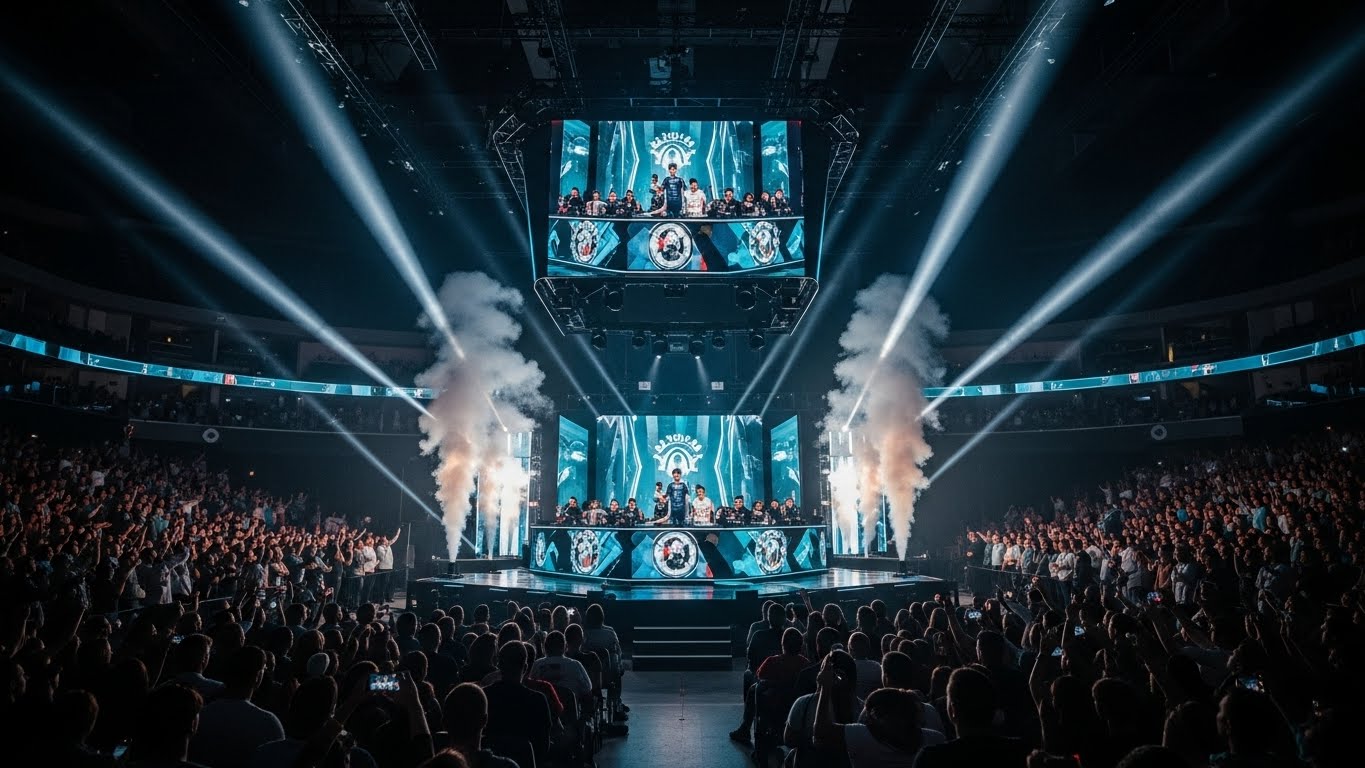
Esports has become a global industry, with tournaments and leagues spanning every continent. North America, Europe, and Asia host some of the largest esports events, drawing massive audiences both in-person and online. Asia, particularly South Korea and China, is often considered the heart of professional esports due to its early adoption and cultural embrace of gaming. Major esports events now rival traditional sports championships in viewership, with millions tuning in via streaming platforms to watch live competitions.
Organizations like esports leagues, sponsors, and streaming platforms form the backbone of this ecosystem. Leagues provide structure, consistent competition, and opportunities for players to rise through the ranks. Sponsors and brands see esports as a marketing goldmine, targeting a demographic that is highly engaged and digitally savvy. Streaming platforms allow players to build personal brands, offering additional revenue streams through subscriptions, advertisements, and fan donations.
Technological Advancements Driving Esports
The rapid growth of esports has been fueled by technological innovations. High-speed internet, streaming technology, and powerful gaming hardware have made online competitions more accessible and engaging than ever. Spectators can now watch live gameplay with professional commentary, multiple camera angles, and instant replays, creating an immersive experience akin to traditional sports broadcasts.
Virtual reality and augmented reality are beginning to make their mark, promising a new level of engagement for both players and audiences. Cloud gaming is also expanding access, allowing players to compete without expensive hardware. These advancements suggest that esports will continue to evolve alongside technology, opening doors to new games, formats, and experiences.
Esports and Education
Esports is increasingly recognized as a legitimate field within education. Universities and high schools worldwide are offering esports programs, scholarships, and competitive teams. These programs emphasize not only gaming skills but also leadership, teamwork, and strategic thinking. Students gain valuable experience in communication, project management, and media production through esports activities, which can translate into future careers in gaming, technology, or business.
Some institutions have even incorporated esports into academic curricula, teaching game design, marketing, and data analytics within a competitive context. This integration reflects the growing acknowledgment of esports as a multifaceted industry with real-world applications beyond entertainment.
Mental and Physical Challenges of Esports
While esports offers significant opportunities, it is not without challenges. The intense training schedules and high-pressure environments can lead to mental and physical strain. Players often face stress, burnout, and repetitive strain injuries due to prolonged hours of gaming. Organizations now prioritize player wellness, implementing physical training, mental health support, and rest periods to ensure longevity in the competitive scene.
Moreover, the highly competitive nature of esports can take a toll on mental health. Coping with losses, maintaining focus under pressure, and managing public scrutiny are ongoing challenges. Players and teams increasingly work with psychologists and wellness coaches to cultivate resilience and healthy habits, highlighting that esports demands both physical and mental fortitude.
The Cultural Impact of Esports
Esports has had a profound cultural impact, influencing entertainment, media, and social trends. Streaming platforms have transformed players into global celebrities, while content creators have merged gaming with lifestyle, comedy, and commentary. Merchandise, cosplay, and fan art have flourished, further embedding esports into pop culture.
Esports also challenges traditional notions of sports and athleticism. It redefines competition, skill, and teamwork in a digital context. Fans engage with players not only through performance but also via personality, streaming interaction, and online communities, creating a unique and highly interactive spectator experience.
The Future of Esports
The future of esports appears bright and expansive. Analysts predict continued growth in audience size, revenue, and mainstream acceptance. Innovations in gaming technology, virtual reality, and AI-driven analytics will likely enhance gameplay and spectator experience. Esports could integrate further with traditional sports, education, and entertainment industries, creating hybrid experiences that appeal to a broad audience.
Regulation and standardization are also on the horizon. As the industry matures, governing bodies may establish more formal rules, contracts, and competitive structures, ensuring fairness and sustainability. This professionalization will solidify esports as a legitimate, respected career path and global entertainment sector.
Conclusion: Esports as a Defining Digital Era
Esports has evolved from humble beginnings into a global cultural and economic force. Its growth illustrates the power of technology, community, and digital engagement to transform hobbies into professional careers and worldwide phenomena. As games, technology, and communities continue to develop, esports is poised to shape the future of entertainment, competition, and social interaction. What began as a pastime for a few enthusiasts now represents a defining aspect of the digital era, uniting millions across the globe in a shared love for gaming, strategy, and competition.
The rise of esports demonstrates that the boundaries between traditional sports and digital competition are blurring, highlighting a new frontier where skill, strategy, and passion define success. For players, fans, and industry stakeholders, esports is not just a trend; it is a transformative movement reshaping how the world experiences competition and entertainment.