arenabattle49
In the last two decades, a seismic shift has taken place in the world of sports and entertainment. While traditional sports like football, basketball, and baseball have long dominated the cultural landscape, a new form of competition has been steadily rising, capturing the attention of millions around the globe. This new frontier is none other than esports. With professional gaming leagues, massive tournaments, and ever-growing fan bases, esports has transitioned from a niche hobby to a multi-billion-dollar industry. In this blog post, we’ll explore the world of esports, its rapid rise, and why it is changing the landscape of entertainment and competition forever.
What Is Esports?
Esports, short for electronic sports, refers to competitive video gaming at a professional level. Just like traditional sports, players and teams compete against each other in organized tournaments, with the ultimate goal of winning prizes, titles, and fame. Esports can encompass a wide range of video games, including first-person shooters (FPS), multiplayer online battle arenas (MOBAs), real-time strategy (RTS) games, and more. Some of the most popular games in the esports world today include titles like League of Legends, Dota 2, Counter-Strike: Global Offensive, Overwatch, and Fortnite.
What makes esports unique is its global reach and its ability to connect millions of fans in real-time through live streams, social media, and dedicated esports broadcasting platforms. Unlike traditional sports, where fans need to be in a specific location to watch a game live, esports events can be streamed from anywhere in the world, breaking down geographical barriers and making the competition accessible to a global audience.
The Explosion of Esports Popularity
Esports has exploded in popularity over the past decade, and several factors have contributed to its rapid growth. One of the main drivers of esports’ success is the evolution of technology. The rise of high-speed internet, powerful gaming hardware, and the accessibility of streaming platforms like Twitch and YouTube Gaming have made it easier than ever for both players and fans to engage with the esports ecosystem.
The introduction of live streaming has played a pivotal role in esports’ rise. Platforms like Twitch, Mixer (which was later absorbed by Facebook Gaming), and YouTube Gaming allow players to broadcast their gameplay live to audiences all over the world. These platforms have become virtual stadiums where millions of viewers tune in to watch their favorite players and teams compete in real-time. The ability to interact with streamers and other fans through live chats has created a sense of community, making the experience even more immersive.
Esports has also benefited from the growing popularity of video games as a form of entertainment. As gaming becomes more mainstream, younger generations have embraced esports as a legitimate form of competition. The increasing quality of games, better graphics, and more engaging gameplay have made them more attractive not only to players but also to fans who enjoy watching others play at a high level.
The Role of Professional Esports Leagues
As esports has gained momentum, professional leagues and tournaments have sprouted around the world. These leagues operate in a similar way to traditional sports leagues, with teams representing different cities, regions, or countries competing for prestigious titles and massive prize pools. For instance, League of Legends has the League of Legends Championship Series (LCS), while Dota 2 hosts The International, one of the largest esports tournaments in the world.
Many esports teams have now become household names, with organizations like Cloud9, Team Liquid, Fnatic, and T1 gaining massive followings. These teams often sign top-tier players who are paid salaries, and they even have their own sponsors and merchandise, much like their counterparts in traditional sports.
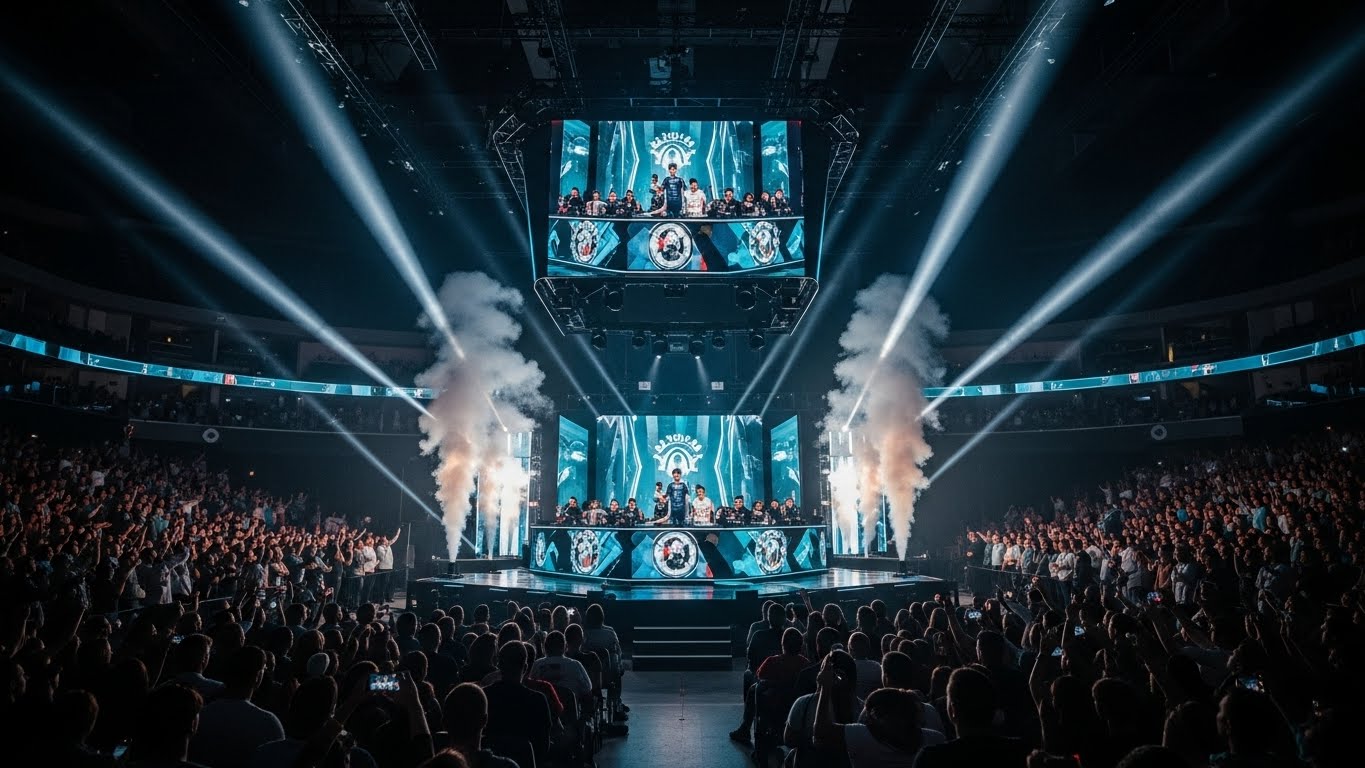
Esports tournaments themselves have also become major events, attracting huge crowds and sometimes filling entire arenas. The League of Legends World Championship, for example, has been hosted in venues like the Staples Center in Los Angeles and the Bird’s Nest in Beijing, each of which holds tens of thousands of fans. These events are often broadcast on television and streamed across multiple platforms, making them more accessible than ever before.
The Financial Impact of Esports
The financial impact of esports is staggering. What was once a small, underground scene has now turned into a multi-billion-dollar industry. Prize pools for major tournaments have grown exponentially, with games like Dota 2 offering prize money of over $30 million in some years, largely funded by the community through in-game purchases. Major companies like Coca-Cola, Intel, Red Bull, and Nike have also jumped on the esports bandwagon, sponsoring teams and tournaments to tap into the ever-growing market of young, tech-savvy consumers.
In addition to sponsorships, esports revenue comes from advertising, media rights, ticket sales, and merchandise. According to Newzoo, a leading market research firm in the gaming and esports industry, the global esports market was expected to exceed $1.5 billion in 2023 and continue to grow. The influx of investment from tech companies, venture capitalists, and traditional sports organizations has helped legitimize esports as a viable and profitable industry.
Esports and Traditional Sports: A Symbiotic Relationship
While esports may have once been viewed as an alternative or “non-traditional” form of competition, it is now increasingly seen as complementary to traditional sports. Many professional sports leagues, including the NBA, NFL, and European football clubs, have invested heavily in esports. Some sports organizations have even established their own esports teams, and others have collaborated with esports companies to run virtual sports leagues.
For example, the NBA launched the NBA 2K League, where players compete in the NBA 2K basketball video game. Football clubs like FC Barcelona and Paris Saint-Germain have also set up esports divisions, competing in popular games like FIFA. This cross-pollination between traditional sports and esports has helped to normalize competitive gaming and bring it into the mainstream.
Moreover, traditional sports fans are increasingly showing interest in esports. The competitive nature of both forms of entertainment resonates with fans, and many esports players share similar attributes with athletes in traditional sports: discipline, strategy, and teamwork. As a result, esports and traditional sports are no longer competing for attention but instead coexisting and benefiting from each other’s popularity.
The Role of Education and Career Opportunities in Esports
As esports continues to grow, it has also started to offer new educational and career opportunities for young people. Universities and colleges around the world are establishing esports programs, offering scholarships and degrees in game design, event management, and esports marketing. In the United States, the National Association of Collegiate Esports (NACE) has over 170 member schools offering competitive esports programs.
For aspiring gamers, the professional esports scene now presents viable career paths. Just like professional athletes, esports players can earn salaries, sign endorsement deals, and create content that engages their fans. Many esports players and streamers also transition into content creation, acting as influencers on platforms like YouTube and Instagram. This evolution has led to the emergence of a new form of celebrity, where players gain fame and fortune through their skills in video games.
The Future of Esports
As esports continues to grow, it shows no signs of slowing down. The increasing integration of esports into mainstream entertainment, partnerships with traditional sports organizations, and the development of new technologies such as virtual reality (VR) and augmented reality (AR) will further transform the landscape of competitive gaming.
Additionally, the rise of mobile gaming is expected to bring esports to an even broader audience. Games like PUBG Mobile and Free Fire have already established strong esports ecosystems on mobile platforms, and as smartphone technology continues to improve, the mobile esports market is poised for explosive growth.
Esports is also becoming a platform for social interaction, with virtual spaces like Discord and Reddit serving as hubs where fans can discuss games, share content, and connect with like-minded individuals. As the social aspect of gaming continues to evolve, esports will likely become an even more integral part of global pop culture.
Conclusion
The rise of esports is not just a passing trend—it is a revolution in the world of entertainment. From humble beginnings as a niche hobby, esports has evolved into a global phenomenon that rivals traditional sports in terms of viewership, revenue, and cultural impact. As technology continues to advance and the esports ecosystem matures, the future of competitive gaming looks brighter than ever. Whether you’re a casual gamer or a die-hard fan, there’s no denying that esports is here to stay, reshaping the way we think about competition, entertainment, and even careers.