arenabattle49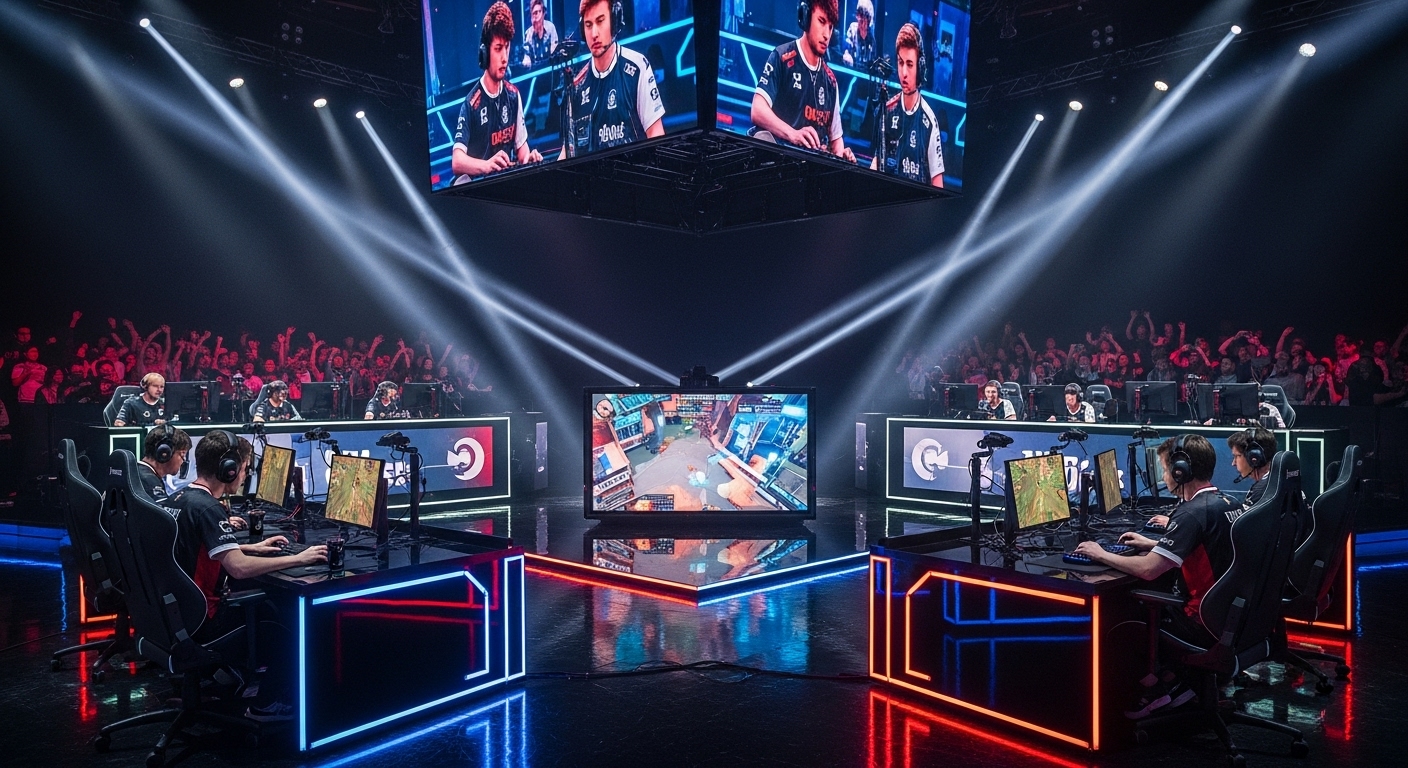
Esports, once a niche hobby for a select few, has transformed into a global phenomenon. Over the last two decades, competitive gaming has evolved from small LAN parties to massive international tournaments with millions of viewers. Esports is now a legitimate industry with professional players, team organizations, sponsorships, and an expanding fanbase. In this blog post, we will dive deep into the world of esports—its rise, its current state, and its potential future. Along the way, we’ll explore the cultural, economic, and social impact of esports and how it’s reshaping entertainment and competition in the digital age.
What is Esports?
Esports, short for electronic sports, refers to organized, multiplayer video game competitions, particularly between professional players, individually or as teams. Esports can be traced back to early gaming competitions in the 1970s and 1980s, but it wasn’t until the early 2000s that it began to develop into the competitive industry we know today.
The games played in esports can range from real-time strategy games like “StarCraft” to first-person shooters like “Counter-Strike” and “Overwatch,” and even to multiplayer online battle arena (MOBA) games like “League of Legends” and “Dota 2.” What makes these games suitable for esports is their competitive nature, the need for high levels of skill, and their ability to be played at a professional level, often with spectators watching online or in arenas.
Esports events can take place on a local level, such as small tournaments in gaming cafes, or on a global stage, with millions of viewers tuning in via streaming platforms like Twitch, YouTube, or Facebook Gaming. These events can offer substantial prize money, with some major tournaments reaching multi-million dollar prize pools.
The Growth of Esports: From Hobby to Industry
The history of esports dates back to the 1970s when video game competitions were first held. However, it wasn’t until the late 1990s and early 2000s that esports began to gain serious traction. The emergence of games like “StarCraft” and “Quake” spurred the growth of competitive gaming communities in Korea, where esports found its first major home. The rise of gaming-centric television channels, tournaments, and media outlets further elevated the profile of competitive gaming.
The next big leap came with the advent of online gaming. Multiplayer games like “Warcraft III,” “Counter-Strike,” and “World of Warcraft” allowed players to compete against each other from around the world. This interconnectedness made it easier for players to form teams, organize events, and build a larger esports community.
In the mid-2000s, professional organizations and tournaments began to take shape. Major brands started to invest in esports, realizing its potential as a marketable form of entertainment. Esports leagues and tournaments like the Electronic Sports League (ESL), Major League Gaming (MLG), and DreamHack became the backbone of the competitive gaming scene, hosting global competitions and establishing a platform for both players and fans.
By the 2010s, esports had become a fully recognized industry, with large sponsorship deals, media rights agreements, and streaming platforms dedicated exclusively to gaming content. Games like “League of Legends,” “Dota 2,” and “Counter-Strike: Global Offensive” helped propel esports into the mainstream, with companies like Riot Games, Valve, and Blizzard Entertainment investing heavily in esports ecosystems.
The Professionalization of Esports
As esports grew in popularity, the professionalization of the industry became inevitable. Today, esports is home to a wide range of professional players, teams, coaches, and analysts who earn a living through sponsorships, tournament winnings, and streaming. The structure of esports organizations now mirrors traditional sports leagues in many ways, with players on salaries, sponsorships, and intense training regimens.
Esports teams, like those in football or basketball, are now multi-million-dollar businesses. These teams sign players from around the world, invest in coaching staff, and provide players with high-tech training facilities. The most successful teams have dedicated trainers, analysts, and psychologists to help their players perform at their peak. Organizations like Team Liquid, Cloud9, T1, and Fnatic have established themselves as staples of the esports scene, with their brands being as well known as some traditional sports teams.
Salaries for top players can vary greatly depending on the game they play, but for those at the top of the industry, they can be substantial. In addition to salaries, players also earn through streaming platforms, sponsorships, and tournament winnings. The prize pools for some of the largest esports tournaments, such as “The International” (Dota 2) or the “League of Legends World Championship,” run into the millions of dollars.
But it’s not just about the players. The esports ecosystem includes coaches, managers, analysts, broadcasters, and content creators. Each role is vital to the overall success of the team or the event, and many of these positions require significant expertise and experience, further reinforcing the legitimacy of esports as a professional industry.
Esports Viewership: A New Form of Entertainment
One of the key factors in the explosive growth of esports is its viewership. Unlike traditional sports, esports events are primarily watched online, and streaming platforms like Twitch have become the central hubs for esports content. Twitch alone boasts millions of active users, many of whom are dedicated to watching esports competitions.
The live-streaming format allows fans to watch their favorite players and teams in real-time, providing an interactive experience. Fans can comment on matches, engage with players during breaks, and even influence the outcome of certain games through live polling or donations. This level of engagement is unique to esports and has played a critical role in creating a vibrant fan culture.
Moreover, esports events have become some of the most-watched live streams on the internet. The 2018 “League of Legends World Championship” was watched by over 100 million unique viewers, a staggering number that rivals the viewership of traditional sports events. The accessibility of streaming has also made esports more inclusive, allowing people from all over the world to enjoy competitive gaming regardless of their location.
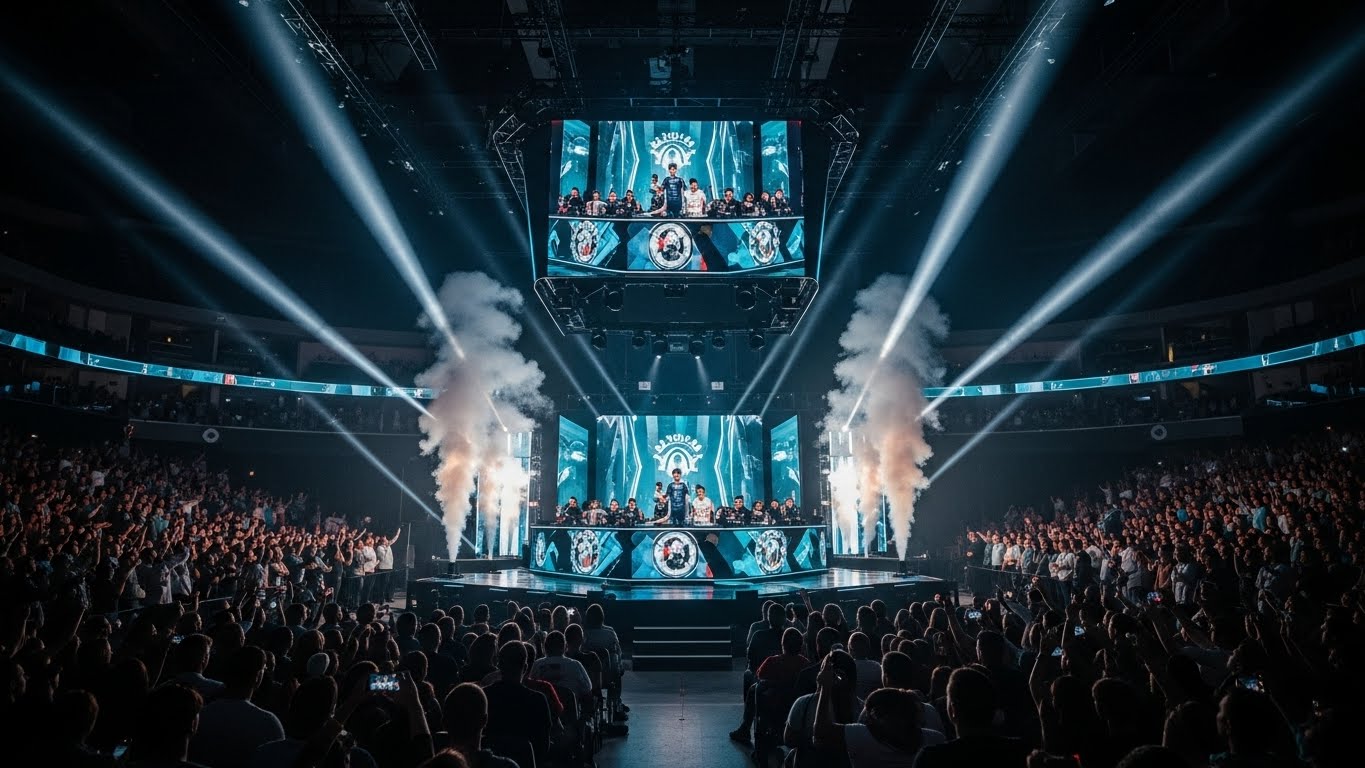
Esports events are often held in massive arenas that can hold tens of thousands of spectators, and the atmosphere at these live events is electric. The “League of Legends World Championship” or “Overwatch League Finals” can feel just as intense and exciting as a Super Bowl or a World Cup final. This live energy, coupled with online streaming, has turned esports into a truly global spectacle.
The Economic Impact of Esports
The economic impact of esports is undeniable. The industry has become a multi-billion-dollar business, with revenues coming from several streams: sponsorships, advertising, media rights, ticket sales, and merchandise. Major brands from outside the gaming world—such as Coca-Cola, Intel, and Nike—have invested heavily in esports, attracted by the demographic of young, tech-savvy consumers who engage with gaming content.
Sponsorships are one of the primary sources of income for both teams and tournaments. Companies pay large sums to have their logos displayed on team jerseys, in broadcasts, and at live events. The sponsorship deals are not just limited to the teams themselves, but also extend to tournaments and online platforms. For instance, ESL has partnerships with some of the world’s biggest brands, and platforms like Twitch sell advertising space on their streams to generate revenue.
Media rights are another significant revenue source. As the esports audience continues to grow, broadcasters and streaming platforms are increasingly willing to pay for the rights to air major tournaments. For example, Riot Games has secured a deal with ESPN to broadcast the “League of Legends” World Championship, and the Overwatch League has signed multi-million-dollar media agreements with various networks.
The economic impact of esports extends beyond just the big players. Local tournaments, gaming conventions, and esports betting have all contributed to the industry’s growth. Countries like South Korea and China have fully embraced esports, with government initiatives supporting the development of esports infrastructure, training programs, and professional leagues.
The Future of Esports: A Global Sporting Phenomenon
Esports is not a passing trend; it’s a cultural shift. As gaming technology continues to improve and the global internet infrastructure expands, esports will only continue to grow. One area that holds great potential for the future of esports is its inclusion in traditional sporting events. The International Olympic Committee has discussed the possibility of including esports as an official Olympic event, and many countries are already recognizing esports as an official sport.
The global nature of esports also gives it a unique position to unite people across borders. Players, teams, and fans from different countries can come together, celebrating the universal appeal of competitive gaming. The possibility of international esports leagues or tournaments that span multiple continents is an exciting prospect for the future.
Additionally, the increasing accessibility of esports platforms and games means that the entry barriers for new players and fans are lower than ever. Young people today have grown up with video games and online multiplayer experiences, making them more inclined to engage with esports as both players and viewers. With the continued growth of mobile gaming, esports will likely become more accessible to a wider, more diverse audience.
Conclusion: The New Age of Competition and Entertainment
Esports has firmly established itself as one of the most exciting and rapidly growing industries in the world. From its humble beginnings as a hobbyist activity to its rise as a multi-billion-dollar global phenomenon, esports has captured the attention of millions of fans, players, and investors around the world. As the industry continues to evolve, it will shape the future of entertainment, competition, and sports culture in ways we can only begin to imagine. Whether through streaming platforms, professional leagues, or international tournaments, esports is here to stay, offering a new and exciting form of entertainment for the digital age.