arenabattle49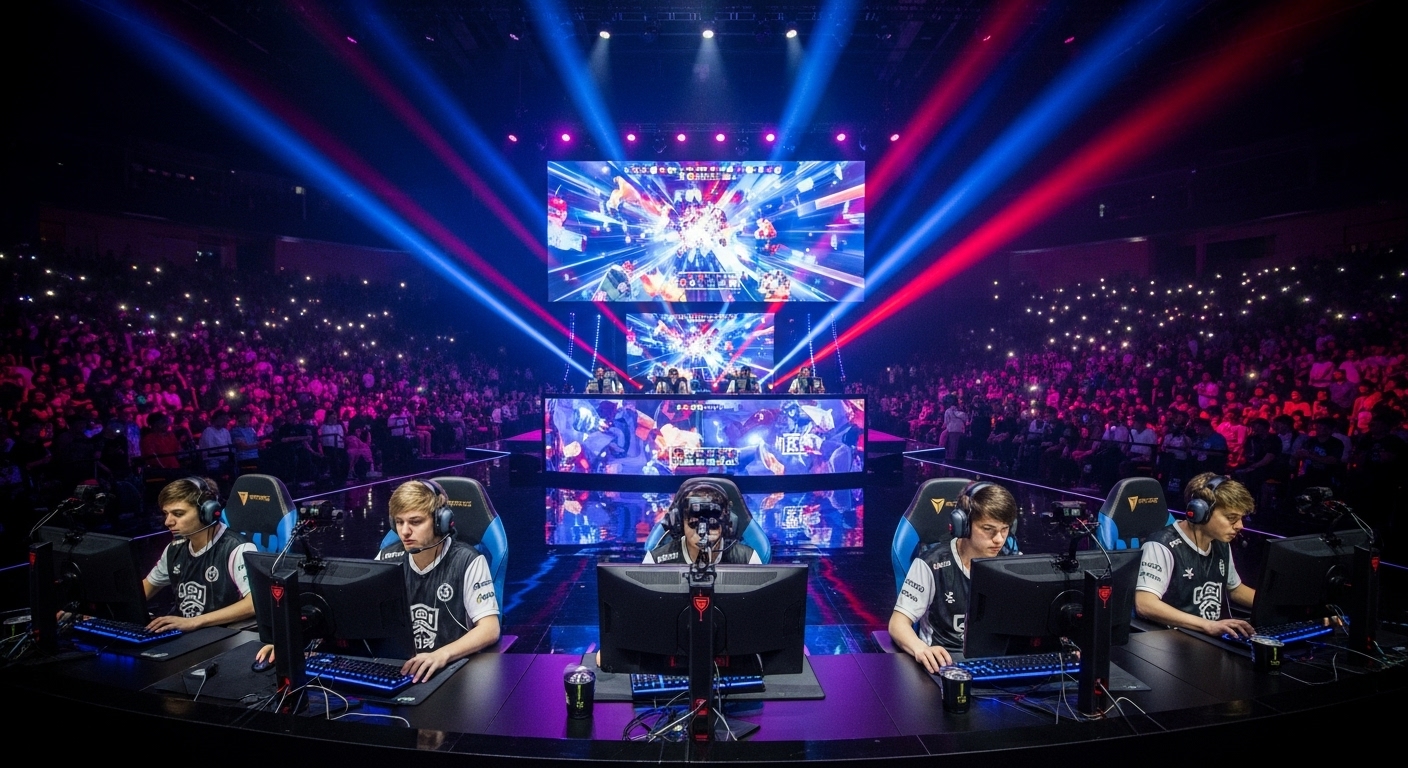
Introduction to the World of Esports
In the past few decades, video games have transformed from a niche hobby to one of the most popular forms of entertainment across the globe. However, what was once a pastime enjoyed by a small group of enthusiasts has evolved into something much larger—Esports, a billion-dollar industry where professional players, teams, and organizations compete in high-stakes tournaments for fame, glory, and life-changing rewards. Esports, short for electronic sports, refers to competitive video gaming played at a professional level. The rise of Esports is one of the most fascinating stories in modern entertainment, merging technology, media, sportsmanship, and global culture into one phenomenon.
The Origins of Esports
The roots of Esports can be traced back to the early 1970s, long before anyone imagined gaming would become a global profession. The first known video game competition took place in 1972 at Stanford University, where students competed in the game Spacewar!. The winner received a year’s subscription to Rolling Stone magazine—a modest prize by today’s standards but a historic milestone in the development of competitive gaming.
In the 1980s, the rise of arcade gaming further popularized the idea of competition. Players would battle for high scores in games like Pac-Man, Donkey Kong, and Space Invaders, their names immortalized on leaderboards. Televised competitions began appearing, including the Space Invaders Championship in 1980, which attracted more than 10,000 participants across the United States.
By the 1990s, as technology advanced and personal computers became more accessible, multiplayer gaming began to flourish. Titles like Doom and Quake introduced online play, allowing gamers to compete remotely. The first professional gaming tournaments emerged, and the concept of “cyber athletes” began to take shape.
The Growth of Competitive Gaming
The 2000s marked a turning point for Esports. With faster internet connections, better hardware, and more sophisticated game designs, online multiplayer experiences became smoother and more competitive. This period saw the birth of several major titles that would define the early years of Esports, such as Counter-Strike, StarCraft, and Warcraft III.
South Korea became a pioneer in establishing Esports as a legitimate form of entertainment. The country’s investment in high-speed internet infrastructure and its cultural embrace of gaming led to the creation of professional leagues, televised matches, and gaming celebrities. StarCraft became a national obsession, with players treated like sports icons and fans filling stadiums to watch live matches.
The Western world soon followed. Organizations like Major League Gaming (MLG) in the United States and the World Cyber Games (WCG) provided international platforms for players to showcase their skills. Esports had officially become a global phenomenon.
The Explosion of Esports in the Modern Era
The 2010s witnessed the true explosion of Esports. This was the decade when gaming transitioned from an underground community to mainstream entertainment. Games such as League of Legends, Dota 2, Counter-Strike: Global Offensive, Overwatch, and Fortnite became household names.
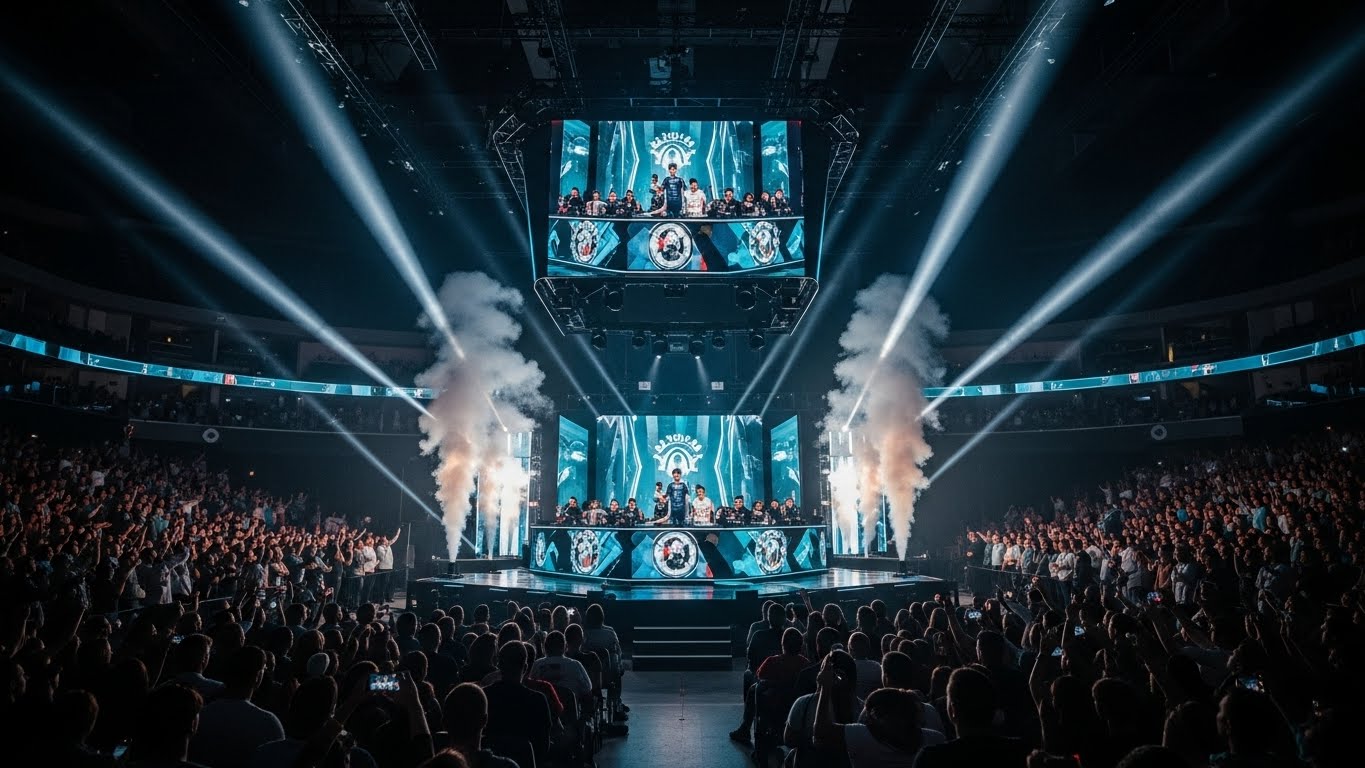
Streaming platforms like Twitch revolutionized how audiences engaged with gaming. Instead of relying on television broadcasts, fans could now watch their favorite players live from anywhere in the world. Esports events began to fill massive arenas, with millions more tuning in online. The League of Legends World Championship and The International (for Dota 2) became cultural spectacles, featuring multi-million-dollar prize pools and breathtaking production values.
Sponsorships and brand partnerships also began flooding into the industry. Major companies recognized the massive marketing potential of Esports, leading to collaborations with tech brands, energy drinks, apparel companies, and even car manufacturers. Esports organizations began to operate like traditional sports franchises, with coaching staff, analysts, training facilities, and business operations.
The Economics of Esports
The financial growth of Esports is nothing short of remarkable. What started as small-scale community tournaments has turned into an industry generating billions of dollars annually. Revenue streams come from multiple sources, including sponsorships, media rights, merchandise, ticket sales, and in-game purchases.
Prize pools for major tournaments often reach tens of millions of dollars. For instance, The International for Dota 2 has repeatedly set records for offering some of the largest prize pools in competitive gaming history. Individual players and teams can earn substantial incomes through sponsorship deals, streaming revenue, and tournament winnings.
Additionally, the rise of franchised leagues, such as the Overwatch League and Call of Duty League, has introduced a more structured system similar to traditional sports leagues. Investors now include celebrities, athletes, and entrepreneurs who see Esports as the future of competitive entertainment.
The Role of Technology in Esports
Technology has played a vital role in shaping the Esports landscape. High-speed internet, advanced graphics, and powerful gaming PCs and consoles have all contributed to smoother gameplay and fair competition. Cloud gaming and artificial intelligence are pushing the boundaries even further, allowing for global participation without geographical limitations.
Virtual Reality (VR) and Augmented Reality (AR) also have the potential to transform Esports. While still in their early stages, VR tournaments could redefine what it means to compete in a virtual space. Furthermore, advanced analytics tools are now used to study player performance, strategy, and even reaction times, making Esports one of the most data-driven sports in existence.
Esports as a Career
For many, gaming has evolved from a passion into a viable career. The Esports ecosystem supports a wide range of professions beyond just players. Coaches, analysts, commentators (known as casters), event organizers, content creators, and marketing professionals all play essential roles in keeping the industry running smoothly.
Professional players often start young, dedicating countless hours to perfecting their craft. The level of discipline required is similar to that of traditional athletes, involving daily training sessions, strategic discussions, and physical conditioning. While the career span of an Esports player may be shorter due to the fast-paced nature of the games, opportunities in coaching, streaming, and game development offer long-term stability.
Esports and Education
One of the most fascinating developments in recent years is the integration of Esports into education. Universities around the world now offer Esports scholarships, degrees in game design, and programs focused on digital marketing and event management within the gaming industry. High schools and colleges have established official Esports teams, treating competitive gaming with the same respect as traditional sports.
This educational movement highlights the growing acceptance of gaming as both a legitimate form of competition and a valuable skill-building activity. Students learn teamwork, communication, leadership, and problem-solving—all essential skills for the modern workforce.
The Global Community and Cultural Impact
Esports has created a truly global community that transcends borders, languages, and cultures. Gamers from different parts of the world come together to share a passion for competition and digital creativity. Major tournaments are often broadcast in multiple languages, attracting millions of viewers from every continent.
Culturally, Esports has reshaped how we view entertainment. It has blended the intensity of sports with the creativity of gaming, giving rise to new forms of storytelling, fandom, and celebrity. Players are no longer confined to local fame—they are international icons with massive social media followings and fanbases that rival those of traditional athletes.
The Role of Women in Esports
Although Esports has long been male-dominated, the landscape is changing rapidly. Women are increasingly making their mark as players, commentators, and team managers. All-female tournaments and mixed-gender competitions are promoting inclusivity, and organizations are actively working to provide safer and more welcoming environments for everyone.
Prominent female players and streamers have inspired countless others to pursue gaming careers. Representation continues to grow, ensuring that Esports evolves into a more diverse and inclusive industry.
Challenges Facing the Esports Industry
Despite its success, Esports faces several challenges. Player burnout is a significant issue, as the demanding schedules and mental stress can lead to exhaustion. Maintaining a healthy lifestyle while competing at the highest level remains a concern for many players.
Another challenge lies in maintaining fair play and integrity. Cheating, match-fixing, and doping scandals have occasionally marred the reputation of competitive gaming. Fortunately, governing bodies and tournament organizers have implemented strict rules and anti-cheating technologies to ensure fairness.
Monetization and sustainability are also ongoing concerns. While top-tier tournaments and organizations thrive, smaller events often struggle to generate consistent revenue. Balancing profitability with accessibility remains a delicate task for the industry’s long-term growth.
The Future of Esports
Looking ahead, the future of Esports is filled with promise and potential. As technology continues to advance, virtual arenas may become the new standard, offering immersive experiences for players and spectators alike. The integration of artificial intelligence and augmented reality could revolutionize how games are played and watched.
Esports will also continue to blend with traditional sports. Many major sports organizations, including football clubs and basketball teams, have already established Esports divisions to engage with younger audiences. Crossovers between physical and digital sports could create entirely new forms of hybrid competition.
In the coming decades, Esports may even find a place in major global events, with discussions already underway about including Esports in future Olympic programs. The recognition of Esports as an official sport by various countries has paved the way for such developments.
The Social Impact of Esports
Beyond entertainment and competition, Esports has had a profound social impact. It has provided a sense of community and belonging to millions of players who might otherwise feel isolated. Online gaming communities often become spaces where friendships are formed, teamwork is nurtured, and creativity thrives.
Esports has also opened new opportunities for charitable initiatives and mental health awareness campaigns. Many tournaments raise funds for global causes, demonstrating that gaming can be a powerful force for positive change.
The Evolution of Esports Audiences
The audience for Esports is unique and ever-growing. Unlike traditional sports fans who are often tied to local teams, Esports fans are global. They support teams and players based on personality, playstyle, and content rather than geography. This creates a dynamic fan culture driven by digital interaction.
Social media platforms and live streaming have amplified this connection. Fans can interact directly with their favorite players, watch behind-the-scenes content, and even influence event outcomes through online polls and feedback. The sense of accessibility and community is one of the most defining features of the Esports ecosystem.
Conclusion: A New Era of Digital Competition
Esports has evolved from a small niche of competitive gaming enthusiasts into one of the most dynamic and rapidly growing industries in the world. It stands at the crossroads of technology, entertainment, and human connection, redefining what it means to compete and succeed in the modern era.
What makes Esports truly special is its ability to unite people from all walks of life under a shared passion for gaming. Whether you are a casual player, a professional competitor, or simply a fan, Esports offers something for everyone.
As the digital age continues to progress, one thing is certain: Esports is not just the future of gaming—it is the future of sports itself. The spirit of competition, creativity, and community that drives this industry will continue to shape how we play, watch, and experience the world of gaming for generations to come.