arenabattle49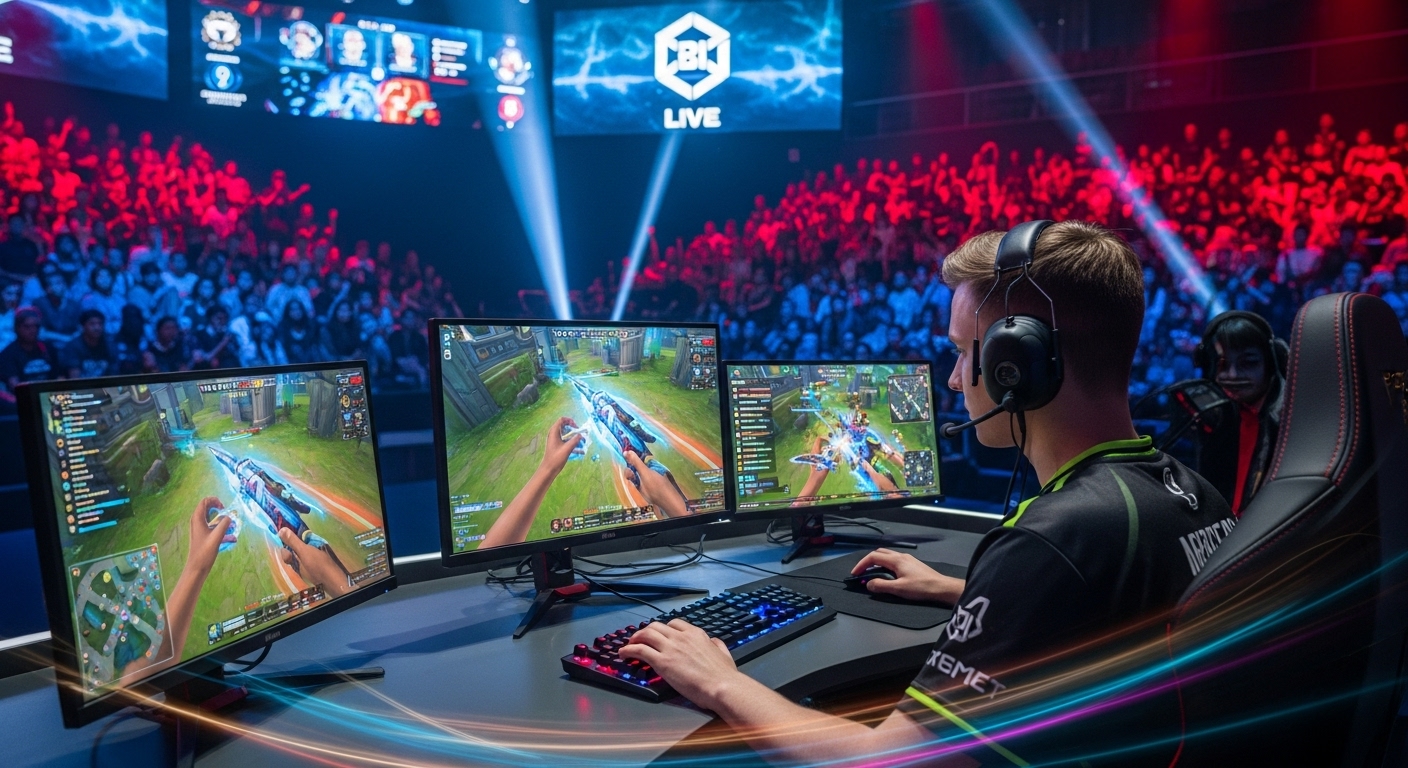
Esports, short for electronic sports, has transformed from a niche hobby into a global phenomenon. Over the past two decades, competitive gaming has evolved into a professional industry attracting millions of players, fans, and investors. Today, esports is more than just a pastime; it is a cultural movement, an economic powerhouse, and a legitimate career path for aspiring athletes. This blog delves into the history, impact, and future of esports, exploring why it has become one of the most influential industries of the 21st century.
The Origins of Esports
The origins of esports can be traced back to the late 1970s and early 1980s, during the rise of arcade gaming. The first widely recognized video game competition took place in 1972 at Stanford University, where students competed in the game “Spacewar.” However, it wasn’t until the early 1980s that video game tournaments started gaining public attention, especially with the introduction of arcade games like Pac-Man and Donkey Kong.
The 1990s marked a pivotal moment in esports history. With the advent of personal computers and the internet, competitive gaming began to reach a wider audience. Games like Doom, Quake, and StarCraft introduced multiplayer formats, allowing players to compete locally and eventually online. StarCraft, particularly in South Korea, laid the foundation for professional esports leagues and the concept of a full-time gaming career.
The Growth of Esports in the 21st Century
The 2000s saw esports expand beyond niche communities into mainstream entertainment. High-speed internet access and platforms like Twitch revolutionized how audiences consumed gaming content. Esports tournaments became major events, complete with live streaming, professional commentary, and international audiences. South Korea’s professional StarCraft leagues became a blueprint for other countries, demonstrating that esports could be a sustainable career for talented players.
By the 2010s, esports had firmly established itself as a global industry. Games such as League of Legends, Dota 2, Counter-Strike: Global Offensive, and Overwatch dominated competitive circuits. Major tournaments, including The International, the League of Legends World Championship, and the Intel Extreme Masters, started offering prize pools in the millions of dollars, rivaling traditional sports competitions. The rise of sponsorships, team organizations, and media coverage further legitimized esports as a professional endeavor.
Popular Esports Games
Esports encompasses a wide variety of game genres, each attracting its own dedicated community. Multiplayer online battle arenas, first-person shooters, real-time strategy games, and fighting games are among the most popular competitive formats.
Multiplayer Online Battle Arena (MOBA)
MOBA games like League of Legends and Dota 2 dominate the esports landscape. These games require teams of five players to compete in strategic matches, emphasizing teamwork, communication, and tactical execution. The complexity and depth of MOBA games make them appealing to both players and spectators, fostering large-scale tournaments and global fanbases.
First-Person Shooters (FPS)
FPS games such as Counter-Strike: Global Offensive, Call of Duty, and Valorant focus on precision, reflexes, and coordination. FPS esports has a longstanding history, particularly in North America and Europe, and has become one of the most lucrative sectors of the competitive gaming industry. Tournaments often feature intense matches with fast-paced action, drawing millions of viewers worldwide.
Real-Time Strategy (RTS)
RTS games like StarCraft II challenge players’ strategic thinking and resource management. Players must make rapid decisions under pressure, balancing offense, defense, and economy management. While RTS esports has seen fluctuations in popularity, it remains an influential genre that paved the way for modern esports leagues.
Fighting Games
Fighting games such as Street Fighter, Tekken, and Super Smash Bros. are staples of esports culture. They emphasize individual skill, reaction time, and mastery of character mechanics. Fighting game tournaments often foster tight-knit communities, with a strong presence in arcade culture and grassroots events.
The Esports Ecosystem
Esports is supported by a complex ecosystem that includes professional players, teams, tournament organizers, sponsors, and fans. Each component plays a vital role in sustaining the industry and driving growth.
Professional Players and Teams
Professional esports players are highly skilled athletes who dedicate hours to practice and study game mechanics. Teams often consist of players, coaches, analysts, and support staff, mirroring traditional sports organizations. These players compete in leagues and tournaments worldwide, earning salaries, sponsorship deals, and prize money.
Tournament Organizers
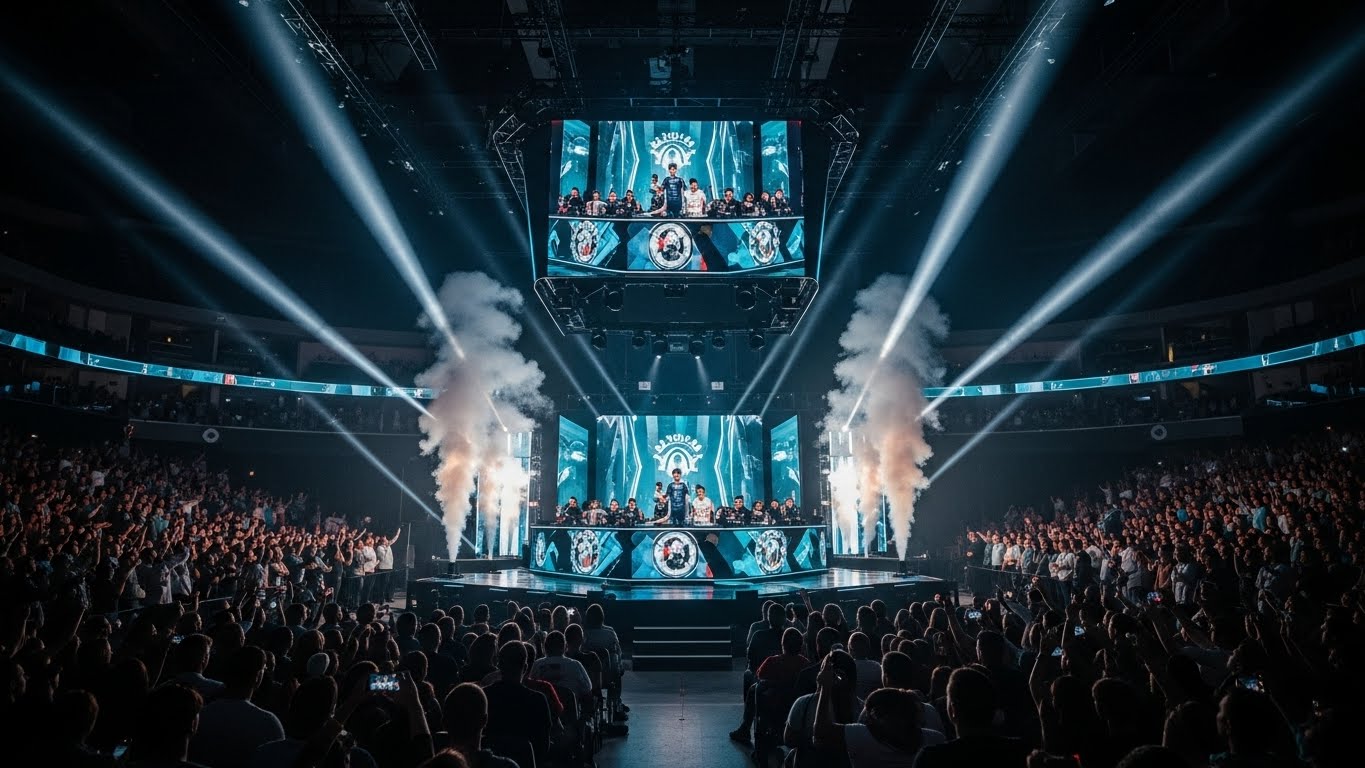
Esports tournaments are organized by companies or independent leagues. Major events such as The International or the League of Legends World Championship attract millions of viewers and generate significant revenue through ticket sales, merchandising, and broadcasting rights. Tournament organizers are crucial for establishing competitive structures and maintaining the integrity of the sport.
Sponsors and Investors
The esports industry has attracted substantial investment from corporations and venture capitalists. Sponsors range from technology companies and energy drink brands to traditional sports franchises and entertainment corporations. Sponsorships provide financial stability for teams and tournaments, while also helping to expand the audience and reach of esports globally.
Fans and Community
The esports community is a driving force behind the industry’s growth. Fans engage through live events, streaming platforms, social media, and online forums. The sense of belonging, shared passion, and excitement of competition fosters a vibrant culture that bridges geographical and cultural boundaries.
Careers in Esports
The rise of esports has opened up a multitude of career opportunities beyond professional playing. Aspiring individuals can pursue roles in broadcasting, coaching, game development, event management, marketing, and content creation.
Broadcasting and Commentary
Esports broadcasters, commentators, and analysts provide live coverage of matches, offering insights, play-by-play commentary, and strategic breakdowns. These roles require deep knowledge of games, strong communication skills, and the ability to engage audiences.
Coaching and Management
Esports coaches guide teams in strategy, skill development, and mental preparation. Managers handle logistics, sponsorships, and public relations, ensuring that players and teams operate efficiently. These roles are essential for maintaining professional standards and fostering team success.
Content Creation and Streaming
Streaming platforms and social media have created new opportunities for content creators. Gamers, influencers, and analysts produce videos, tutorials, and live streams that entertain and educate audiences. Content creation has become a lucrative sector, with revenue from subscriptions, donations, and brand partnerships.
Game Development and Design
Esports has influenced game design, prompting developers to create competitive-friendly games with balanced mechanics, spectator modes, and ongoing updates. Careers in game development, quality assurance, and community management are increasingly linked to the esports ecosystem.
The Cultural Impact of Esports
Esports has had a profound cultural impact, influencing fashion, media, music, and social interactions. Gaming-inspired merchandise, themed cafes, and esports arenas have become mainstream attractions. The popularity of esports has also reshaped how younger generations perceive competition, teamwork, and career aspirations.
Moreover, esports has challenged traditional notions of sports, demonstrating that mental skill, strategy, and reflexes can be celebrated alongside physical athleticism. This cultural shift has helped break stereotypes about gamers and fostered greater acceptance of competitive gaming as a legitimate pursuit.
Challenges Facing the Esports Industry
Despite its rapid growth, esports faces several challenges. Player burnout, mental health concerns, and career longevity are critical issues for professional athletes. The competitive nature of esports demands long hours of practice and high-pressure performance, which can lead to physical and psychological strain.
Regulatory challenges also exist, particularly regarding fair play, cheating, and tournament governance. As esports continues to globalize, standardizing rules and ensuring integrity across different regions remains a significant concern. Additionally, the industry must address inclusivity and diversity, ensuring that esports remains accessible to players of all backgrounds and genders.
The Future of Esports
The future of esports is bright and full of potential. Emerging technologies such as virtual reality, augmented reality, and cloud gaming promise to revolutionize how players compete and how audiences engage with esports content. Mobile gaming is also expanding the competitive landscape, particularly in regions with high smartphone penetration.
Esports is increasingly being recognized in educational institutions, with scholarships, collegiate leagues, and training programs preparing the next generation of professional gamers. As mainstream media continues to embrace esports, the industry will likely see further integration with entertainment, sports broadcasting, and global pop culture.
Conclusion
Esports has evolved from humble beginnings into a global powerhouse, blending competition, entertainment, and technology. Its growth reflects broader trends in digital culture, connectivity, and entertainment consumption. As esports continues to mature, it offers exciting opportunities for players, fans, and investors alike. More than just a pastime, esports represents a paradigm shift in how we understand competition, skill, and community in the digital age.
With increasing recognition, professionalization, and innovation, esports is poised to become a defining element of 21st-century culture. Whether you are a player, fan, or observer, there is no denying that esports has carved out its place in the global arena—and its story is only beginning.