arenabattle49
Esports, or electronic sports, has emerged from the shadows of the gaming world to become a global phenomenon. Once considered a hobby for enthusiasts, competitive gaming has now become a multi-billion-dollar industry with millions of fans, professional players, and vast opportunities for investment. As the boundaries of sports and entertainment continue to shift, esports stands out as one of the most significant developments in modern entertainment.
In this blog post, we will explore the rise of esports, its cultural impact, the financial aspects driving its success, and its future prospects. From its humble beginnings to its current status as a major global industry, esports continues to shape the way we think about competition, entertainment, and digital interaction.
The Birth of Esports: Early Beginnings and the Foundation of Competitive Gaming
The concept of esports has been around for decades, but its true rise began in the 1990s. In its earliest form, competitive gaming was centered around local multiplayer games where players would battle against one another for high scores and bragging rights. These early competitions were informal, often taking place at arcades, schools, or friends’ houses. However, as technology improved, so did the possibilities for competitive play.
The first major event that can be considered a precursor to modern esports was the Red Annihilation Tournament in 1997. Organized by id Software for its hit game Quake, the tournament offered a Ferrari 328 GTS as the grand prize. This groundbreaking event is widely regarded as the first real “esports” competition, drawing attention from the gaming community and proving that competitive gaming could be more than just a casual affair.
Following the success of early tournaments like the Red Annihilation, games such as StarCraft, Warcraft III, and Quake III Arena began to emerge as the pillars of competitive gaming. These games offered engaging multiplayer modes, allowing players from all around the world to compete against one another over the internet. The rise of platforms like Battle.net by Blizzard Entertainment made it easier for players to compete globally, and as internet speeds improved, so did the scale and scope of esports events.
The Explosion of Esports in the 2000s: Building the Infrastructure
While the 1990s laid the groundwork for esports, it wasn’t until the 2000s that esports began to truly take off. With the increasing accessibility of broadband internet and the growth of online gaming, more players began participating in competitive events. It was also during this time that esports started to gain significant attention in mainstream media.
One of the major milestones in the growth of esports was the formation of the World Cyber Games (WCG) in 2000. Founded in South Korea, the WCG was one of the first international competitions that drew competitors from all over the globe. This event was a turning point in esports, helping establish a more organized and professionalized structure for competitive gaming. The WCG became a showcase for top-tier gaming talent and helped solidify esports as a legitimate form of competition.
The Electronic Sports League (ESL), established in 2000, also played a key role in shaping the competitive gaming landscape. The ESL became a central hub for esports, organizing tournaments for games like Counter-Strike, Warcraft III, and StarCraft. The creation of such leagues was pivotal in bringing a sense of professionalism to esports, offering structured events with proper rules, schedules, and prize money. Over time, ESL’s reach expanded, and it became one of the most influential organizations in the esports world.
By the mid-2000s, esports was beginning to attract significant attention from major game developers and sponsors. The development of high-profile games like Counter-Strike 1.6, World of Warcraft, and Halo gave rise to competitive gaming leagues and events. These games offered more than just single-player experiences; they created a rich, multiplayer ecosystem where professional players could shine.
Esports Goes Mainstream: The 2010s and the Emergence of Global Tournaments
The 2010s marked the true mainstreaming of esports. What was once a niche activity for gamers was now gaining recognition as a global spectator sport. The rise of streaming platforms like Twitch revolutionized the way people interacted with esports, allowing players to broadcast their gameplay in real-time and build a massive following. Twitch became the primary platform for competitive gaming broadcasts, and it helped bring esports into the mainstream consciousness.
The popularity of games like League of Legends, Dota 2, and Overwatch made the 2010s an exciting time for competitive gaming. League of Legends in particular became a defining game for esports, boasting millions of players worldwide and spawning one of the largest esports tournaments in the world, the League of Legends World Championship. The event drew massive viewership numbers, surpassing even the Super Bowl in terms of online views. The Dota 2 International, with its record-breaking prize pools, also became a cornerstone of the esports scene, offering millions of dollars in rewards for top players.
These games created a fertile environment for professional gaming leagues to flourish. The Overwatch League, which began in 2018, introduced a franchise-based model similar to traditional sports leagues like the NFL and NBA. This move towards franchising marked a significant shift in how esports organizations operated, with city-based teams and player contracts becoming the norm.
In addition to player growth, esports also saw a significant increase in sponsorships and brand involvement. Major companies such as Coca-Cola, Intel, and Red Bull began partnering with esports organizations, recognizing the massive potential of reaching the young, tech-savvy demographic that follows competitive gaming. These partnerships were crucial in raising the financial stakes of esports tournaments, which began offering larger prize pools and attracting bigger crowds.
The Financial Powerhouse: Revenue Streams in Esports
Esports is no longer just about players competing for glory; it has become a multi-billion-dollar industry with a range of revenue streams. The economic impact of esports is vast, encompassing everything from sponsorships and media rights to merchandise and ticket sales.
Sponsorships and Brand Partnerships
Sponsorships are one of the primary revenue streams for esports organizations and events. Brands like Intel, HyperX, and Red Bull are heavily invested in the esports industry, sponsoring tournaments, teams, and individual players. These partnerships are not just about providing funding; they also allow companies to market their products to a highly engaged audience.
The rise of esports has led to a greater focus on advertising and brand integration within tournaments and broadcasts. In fact, major tournaments now feature extensive advertisements, both during the live streams and in the form of branded content. Esports’ massive reach, particularly among the coveted 18-34 demographic, has made it a prime target for advertisers.
Media Rights and Streaming
The development of streaming platforms like Twitch and YouTube Gaming has changed the way esports is consumed. These platforms generate significant revenue through advertisements, subscriptions, and donations from viewers. In addition, media companies like ESPN and Turner Sports have begun broadcasting esports events on traditional television, opening up new revenue streams through broadcasting rights.
Esports organizations are also finding success in creating their own digital content, including highlights, behind-the-scenes footage, and documentaries. This content is monetized through ad revenue and exclusive streaming deals, contributing further to the industry’s financial growth.
Merchandise and Ticket Sales
Merchandise sales have become another lucrative source of income for esports teams and players. From jerseys and apparel to branded gaming peripherals, the sale of esports merchandise generates significant revenue. Fans of esports teams are incredibly dedicated, often purchasing team-branded products to show their support.
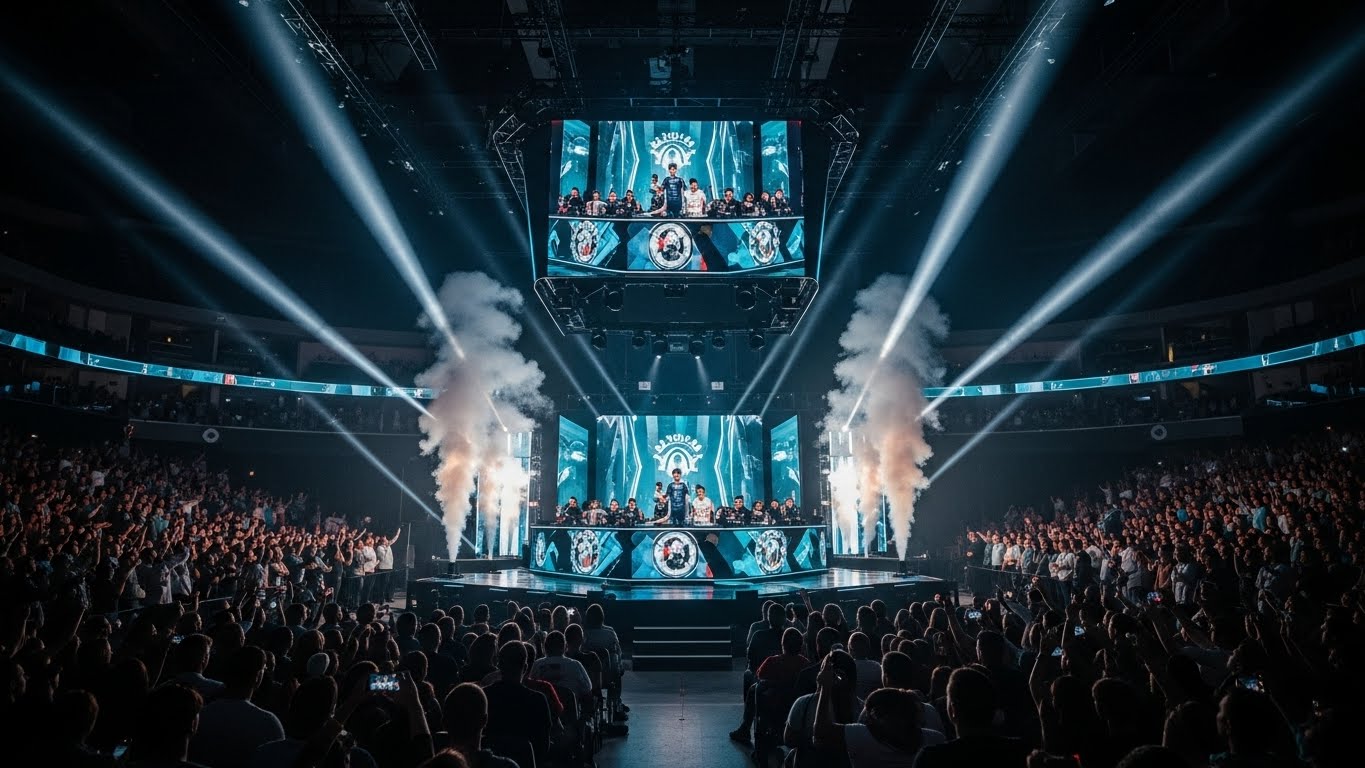
In addition, live events and tournaments have become a major part of the esports experience. Ticket sales for major tournaments, such as the League of Legends World Championship or The International, can generate millions of dollars in revenue. These events often sell out large arenas, attracting fans from all over the world to experience the excitement of live competitive gaming.
The Global Appeal of Esports: A Cultural Movement
Esports is unique in that it transcends geographical boundaries. While traditional sports tend to be regionally concentrated, esports has a truly global audience. Countries like South Korea, China, and the United States are among the biggest hubs for esports, but the appeal of competitive gaming spans continents. As technology continues to improve, esports events are more accessible than ever, allowing fans from all over the world to tune in and watch their favorite players and teams compete.
South Korea, in particular, has long been considered the epicenter of esports. The country’s government invested heavily in broadband infrastructure, and the rise of internet cafes made gaming more accessible to the masses. Games like StarCraft and League of Legends are deeply ingrained in South Korean culture, with professional leagues and tournaments drawing massive crowds. Legendary players such as Faker have become national icons, symbolizing the success and prestige that comes with being a top-tier esports competitor.
China is another esports powerhouse, home to some of the most successful esports teams in the world. The country has invested heavily in esports infrastructure, and its burgeoning middle class has helped fuel the industry’s growth. In 2019, The International for Dota 2 took place in Shanghai, underscoring China’s central role in the esports ecosystem.
The United States has also become a major player in esports, with large-scale events such as ELeague and The Fortnite World Cup attracting huge audiences. The rise of esports leagues like the Overwatch League and Call of Duty League has further cemented North America’s position as a key region in the esports landscape.
The Future of Esports: What’s Next?
As esports continues to evolve, its future looks incredibly bright. Several trends are expected to shape the future of competitive gaming.
1. Virtual Reality and Augmented Reality
The next frontier for esports may involve the integration of virtual reality (VR) and augmented reality (AR). These technologies have the potential to revolutionize gaming by creating more immersive experiences for players and spectators alike. The development of VR and AR games could lead to entirely new forms of competitive gaming, offering fans a more interactive way to experience esports.
2. Esports as an Olympic Event
There has been ongoing discussion about including esports in the Olympic Games. As esports continues to grow in popularity and legitimacy, it may one day become a featured event in the Olympics, further solidifying its status as a mainstream form of competition.
3. Esports in Education
In recent years, many schools and universities have begun offering esports scholarships, with dedicated esports programs designed to cultivate the next generation of professional gamers. This trend is likely to continue, with educational institutions recognizing the potential of esports as both an academic and career path for students.
4. Increased Corporate Involvement
Esports will continue to see more corporate investment, with traditional sports organizations and major brands looking to get involved. Partnerships between esports leagues and mainstream sports teams will become more common, leading to further crossovers between esports and traditional sports.
Conclusion: The Unstoppable Growth of Esports
Esports has rapidly evolved from a niche pastime to a global cultural and economic force. The combination of professional players, massive fan engagement, and substantial financial backing has turned competitive gaming into a legitimate industry. From its humble beginnings to its present-day status as a billion-dollar business, esports has proven that it’s here to stay.
As technology advances and the industry continues to mature, esports will only grow in significance. Whether it’s through new games, innovative broadcasting, or increasing global accessibility, esports is shaping the future of entertainment in exciting ways. The next few years promise to be even more transformative, making esports a cornerstone of modern competition and culture.