arenabattle49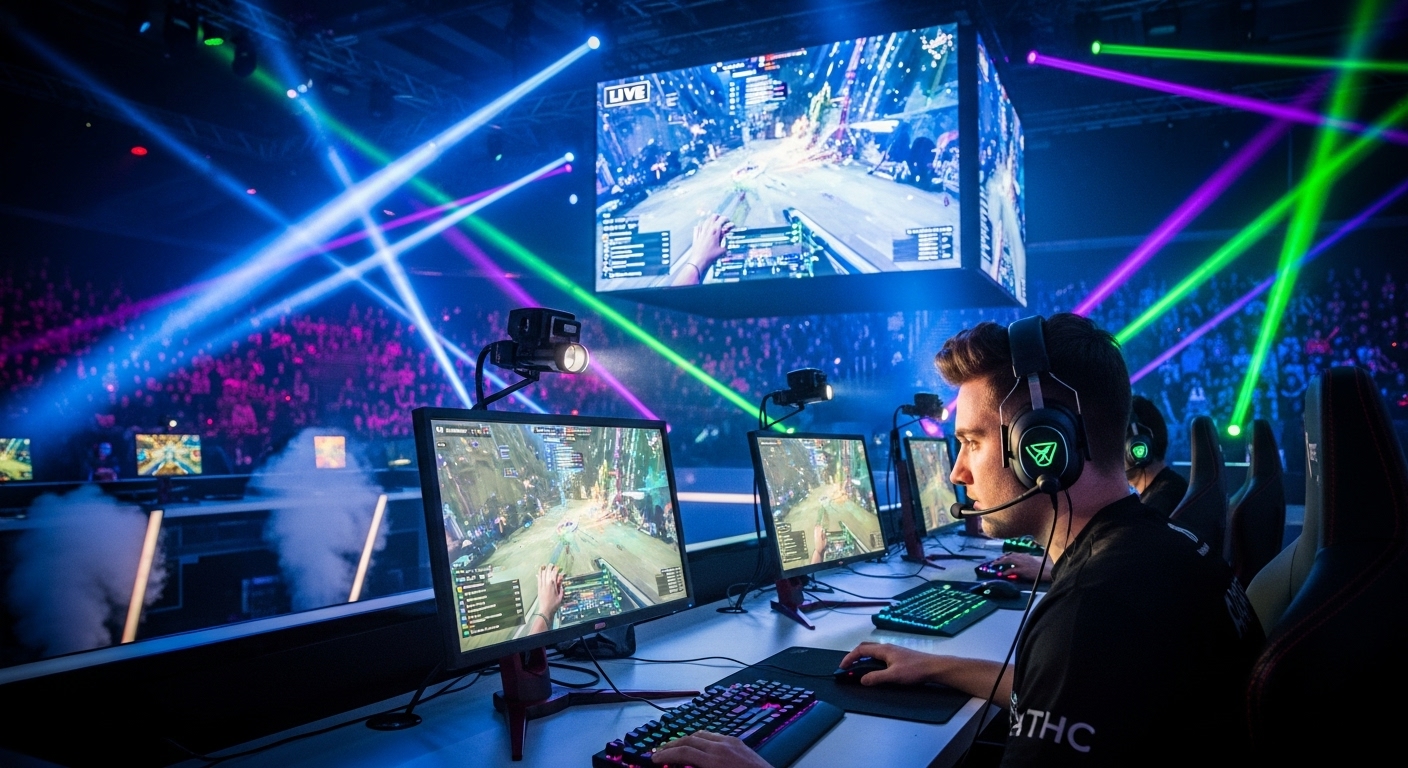
The Birth of a New Era in Gaming
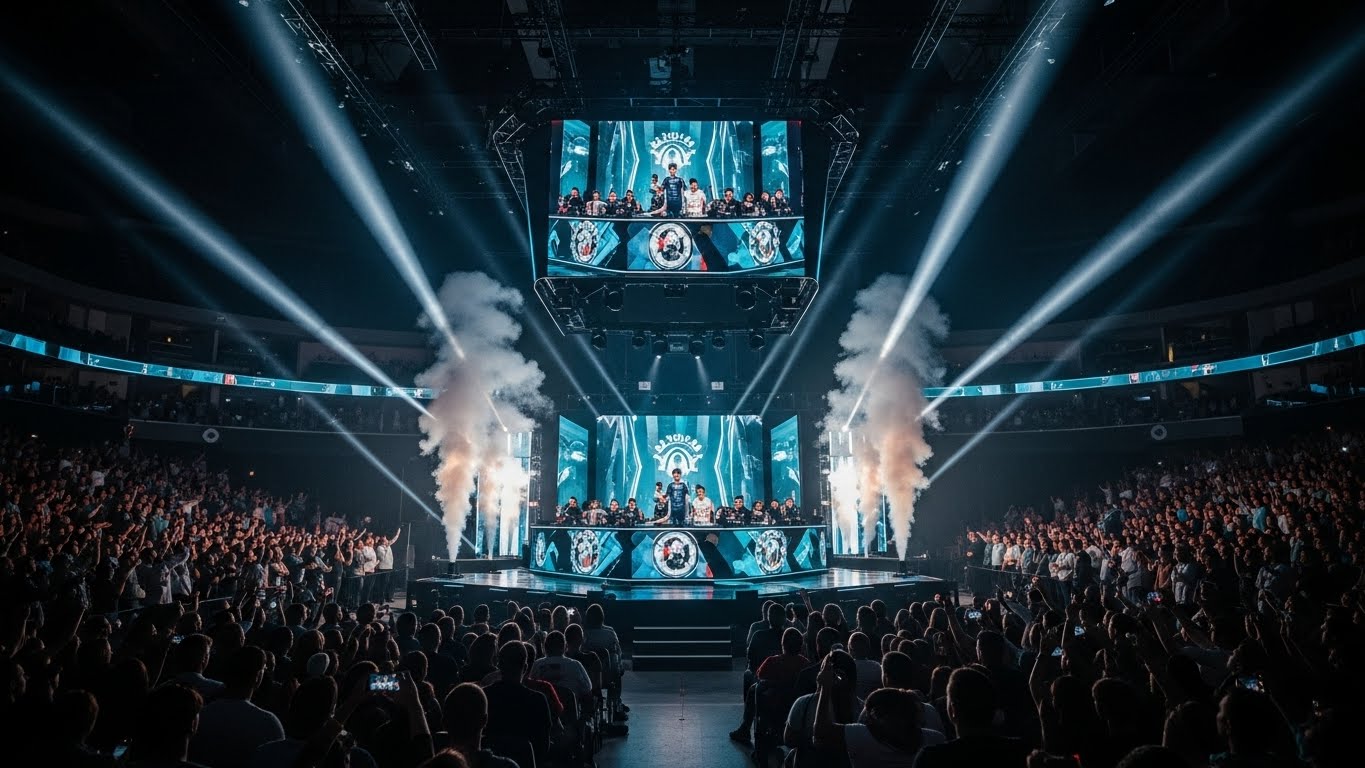
In the early days of video games, the idea that digital play could become a global spectator sport seemed unimaginable. People played for fun, challenge, or personal satisfaction, not for fame or fortune. Yet, over the past two decades, esports has evolved from a niche hobby into a billion-dollar global industry. The term “esports,” short for electronic sports, represents competitive video gaming at a professional level. What started as small LAN tournaments among friends has transformed into large-scale events filling entire stadiums, streamed to millions worldwide, and celebrated by both fans and media alike.
The rise of esports did not happen overnight. It was built through decades of innovation, community growth, and cultural shifts. In the 1990s, games like StarCraft, Quake, and Counter-Strike became pioneers in organized competition. Players would gather in local gaming cafes or at early events like the Cyberathlete Professional League to test their skills. As technology advanced and online connectivity improved, the competitive scene expanded beyond physical boundaries. Players from different continents could now face each other in real-time, and global tournaments began to emerge.
The Global Growth of Esports
Esports today is a truly international phenomenon. It transcends geography, language, and culture. Asia, especially South Korea and China, has played a leading role in shaping esports culture. South Korea, for instance, was one of the first nations to recognize professional gaming as a legitimate career. The government supported esports infrastructure, television networks broadcasted tournaments, and professional gaming houses became part of the lifestyle. Korean players gained legendary status, and their disciplined training methods became the model for aspiring gamers worldwide.
In North America and Europe, esports developed slightly differently. Organizations and sponsors saw the potential in transforming gaming into entertainment. Massive investment from technology companies, sports franchises, and media networks pushed esports into the mainstream. Today, countries like the United States, Germany, and Sweden host some of the biggest tournaments and are home to globally recognized teams. Latin America, Africa, and the Middle East are also growing rapidly in the esports scene, signaling a truly global expansion.
The Games That Defined the Industry
Different games have shaped the evolution of esports across eras. Each title brought unique mechanics, communities, and competitive dynamics that influenced the direction of the industry. StarCraft was one of the first to be recognized as a professional esport, especially in South Korea, where players were treated like celebrities. Its real-time strategy gameplay demanded both tactical thinking and lightning-fast reflexes, creating a thrilling experience for spectators.
Then came Counter-Strike, a first-person shooter that introduced team-based tactics and coordination. It became the foundation for many esports leagues and remains one of the most played competitive games globally through its later version, Counter-Strike 2. Dota 2 and League of Legends later elevated the genre of Multiplayer Online Battle Arenas (MOBA), where teams of five face off in intense strategic battles. These games have built massive communities, with annual tournaments like The International and Worlds offering multimillion-dollar prize pools.
More recently, Fortnite, Valorant, Overwatch, and PUBG have contributed to modernizing the esports landscape, attracting both younger audiences and mainstream brands. Fighting games like Street Fighter and Tekken, as well as sports simulations like FIFA and NBA 2K, have also carved their niches within the ecosystem. The diversity of games ensures that esports remains inclusive, appealing to different styles of play and fan interests.
The Players Behind the Screens
At the core of esports are the players — individuals who dedicate countless hours perfecting their craft. Unlike casual gamers, professional esports athletes maintain strict training routines, often practicing eight to twelve hours a day. They review gameplay footage, study opponents, and collaborate with coaches and analysts to refine strategies. Reaction time, communication, and mental stamina are just as important as in traditional sports.
Many professional players start young, sometimes in their teenage years, and rise through online leaderboards before joining professional teams. The journey is not easy. Competition is fierce, and mental pressure is immense. A single mistake can cost a match or a championship. Yet, the thrill of victory, the roar of fans, and the opportunity to become a global icon drive players to push their limits. Esports stars like Faker, s1mple, and Bugha have become household names within gaming communities, representing the peak of dedication and excellence in this digital sport.
Esports Organizations and Team Culture
Behind every successful player stands a team organization that provides structure, management, and support. Esports teams today function much like professional sports clubs. They have coaches, analysts, psychologists, nutritionists, and marketing teams. Leading organizations such as Team Liquid, Fnatic, T1, and Cloud9 operate multiple divisions across different games. Their brand identities are built around community loyalty, player development, and consistent performance in tournaments.
Team culture is another key element that defines success. The chemistry between players often determines how well they perform under pressure. Some teams emphasize friendship and communication, while others focus on discipline and hierarchy. In both cases, synergy and mutual respect remain essential. Esports organizations also invest heavily in training facilities, gaming houses, and mental health programs to keep their players balanced in an industry that demands relentless performance.
The Business of Esports
Esports has grown into a multi-billion-dollar business, supported by sponsorships, advertising, ticket sales, and merchandise. Major brands from technology, apparel, and even automotive industries have entered the space. Traditional sports organizations and celebrities have also invested in esports teams, recognizing the potential of digital competition.
Broadcasting rights and streaming platforms like Twitch and YouTube have become essential pillars of the esports economy. Live streams attract millions of viewers worldwide, generating ad revenue and engaging communities in real time. Esports events fill arenas, with fans chanting for their favorite teams just like in football or basketball. Prize pools have reached record heights, and successful players earn significant incomes through salaries, endorsements, and streaming deals.
The business model of esports is still evolving. Unlike traditional sports, esports titles are owned by game publishers. This means that companies like Riot Games, Valve, and Blizzard play an active role in organizing tournaments and setting competitive standards. Their influence ensures consistent growth but also raises questions about fairness and independence in the industry’s governance.
The Role of Technology in Esports Evolution
The success of esports is deeply tied to technological innovation. High-speed internet, powerful gaming hardware, and advanced streaming capabilities have enabled global connectivity and competition. Modern gaming PCs, consoles, and peripherals are designed to provide players with the precision and responsiveness needed for top-tier performance.
Streaming has been particularly transformative. It allows fans to interact directly with players, fostering a sense of community and accessibility. Social media and digital content creation have made esports personalities more relatable and visible. Virtual reality (VR) and augmented reality (AR) are also beginning to influence the next phase of esports, promising more immersive spectator experiences.
Artificial intelligence and data analytics are being integrated into team training programs. Coaches use AI-driven tools to analyze player behavior, map control, and decision-making patterns. These insights help refine strategies and predict opponents’ moves. The technological future of esports is dynamic, and innovation continues to blur the line between physical and digital competition.
The Cultural Impact of Esports
Esports is more than just a form of entertainment. It represents a cultural shift in how people perceive gaming and competition. Once dismissed as a pastime for young people, gaming has now become a legitimate profession and a powerful social force. Esports communities unite fans from diverse backgrounds under shared passions and values.
Colleges and universities now offer scholarships for esports players, and educational institutions study gaming’s role in teamwork, leadership, and cognitive development. Esports has also influenced pop culture — from fashion collaborations and music events to movie adaptations. The global youth identify with gaming as part of their lifestyle, making esports a cultural touchstone for a new digital generation.
Moreover, esports promotes inclusivity. While traditional sports often require physical attributes, esports welcomes players of all genders, backgrounds, and abilities. Women’s participation in esports continues to grow, with female-led teams and tournaments gaining prominence. The industry still faces challenges in achieving full equality, but progress is ongoing.
Challenges in the Esports Industry
Despite its success, esports faces challenges that come with rapid growth. Player burnout is a common issue due to intense schedules and mental strain. The lack of standardized player contracts and inconsistent regulations across tournaments sometimes lead to disputes.
Cheating, hacking, and match-fixing have also emerged as concerns, requiring better security systems and transparent rules. Additionally, as esports continues to professionalize, maintaining player welfare becomes critical. Mental health support, career transition programs, and fair compensation are essential for sustainability.
Another challenge is the reliance on specific games. Since publishers own the rights, if a game loses popularity or support, entire competitive ecosystems can collapse. Diversification and developing independent tournament structures are necessary to ensure long-term stability.
Esports and Traditional Sports: A New Relationship
The line between traditional sports and esports continues to blur. Many professional athletes and sports teams now invest in esports organizations. For example, football clubs have their own esports divisions representing them in virtual tournaments. This crossover introduces gaming to new audiences while allowing sports brands to stay relevant in the digital age.
Moreover, the competitive nature, teamwork, and strategy required in esports mirror those of physical sports. The difference lies mainly in the medium of play. Both demand discipline, reflexes, and mental resilience. The growing acceptance of esports by mainstream sports institutions, including the inclusion of esports in events like the Asian Games, signifies that digital competition has earned its place alongside traditional athletics.
The Future of Esports
Looking ahead, esports is poised for even greater expansion. With technological advancements, enhanced viewer experiences, and increased accessibility, the next decade will see esports reaching unprecedented heights. Virtual reality arenas, interactive fan experiences, and AI-driven gameplay analysis are expected to redefine both player and spectator engagement.
The introduction of 5G networks and cloud gaming will make competitive play more accessible across devices, reducing hardware limitations. Esports education and training academies will continue to nurture young talent, creating structured career paths similar to traditional sports. The industry’s ecosystem will also become more sustainable through better governance, diversity, and innovation.
As esports continues to evolve, it will remain a symbol of human creativity and digital progress. The passion, teamwork, and competition that define it will keep inspiring millions around the world. What began as simple entertainment has become a global movement that unites people through play, proving that the spirit of competition knows no boundaries.
Conclusion
Esports represents one of the most significant cultural and technological revolutions of the 21st century. It has reshaped how society views gaming, competition, and digital entertainment. What makes esports extraordinary is its inclusivity, innovation, and ability to connect people globally. From small tournaments in dimly lit rooms to packed arenas and international stages, esports has come a long way — and its journey is far from over.
As technology advances and generations continue to embrace gaming as part of their lives, esports will only grow stronger. It is not just about winning games; it is about storytelling, community, and the relentless pursuit of excellence. In this digital age, esports stands as a celebration of both human skill and technological progress — a modern arena where passion meets precision, and where the players of today become the legends of tomorrow.