arenabattle49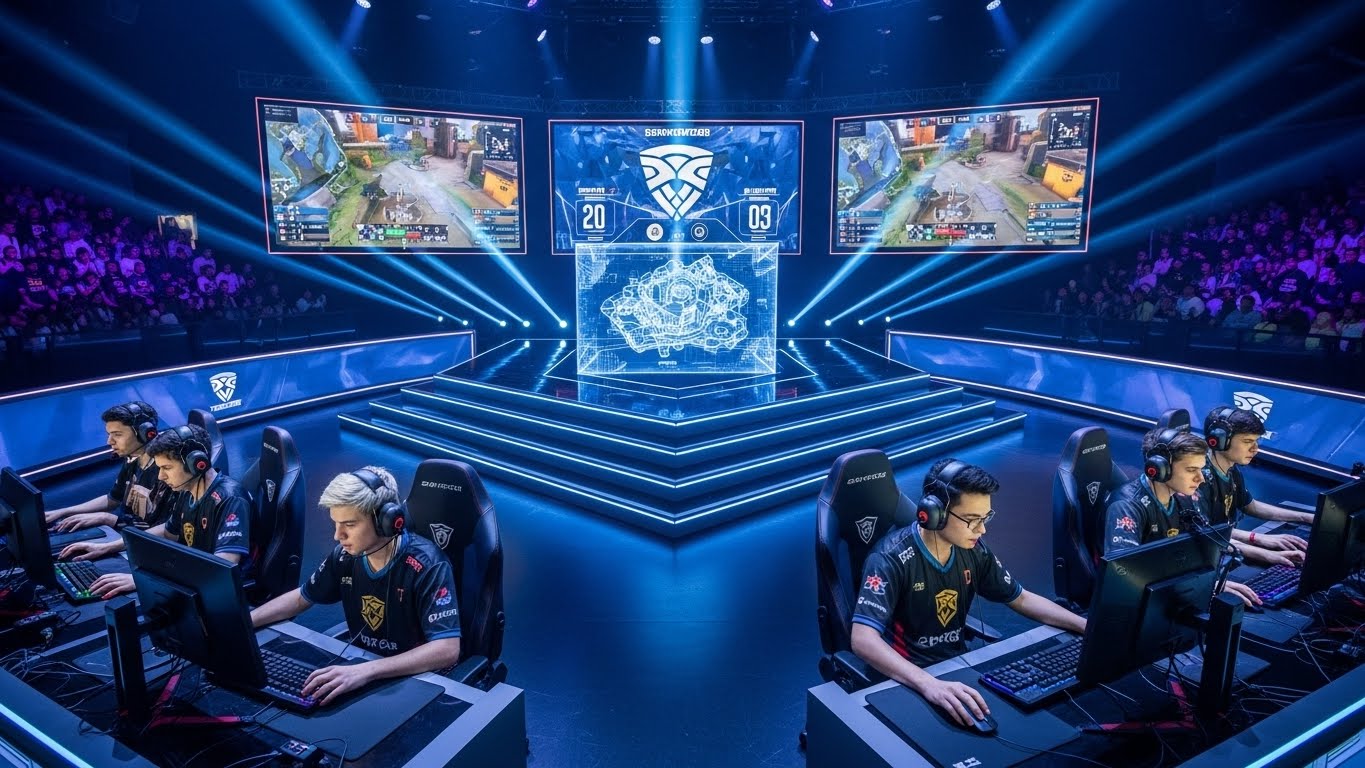
Esports, short for electronic sports, has evolved from niche online games into a multi-billion-dollar industry, captivating audiences worldwide. The competitive nature of video gaming has resonated with millions of fans, transforming the landscape of entertainment and sports. With massive tournaments, high-profile sponsorships, and an ever-growing fan base, esports has solidified its place in the global sports arena. This blog explores the evolution of esports, its current status, and the potential future trajectory of this exciting and dynamic industry.
The Origins of Esports: From Arcade Games to Online Competitions
Esports, as we know it today, has deep roots in the history of video gaming. The foundation of competitive gaming began in the late 1970s and early 1980s when arcade games became popular. Games like Space Invaders and Pong allowed players to compete against each other in real-time. These were the early days, and while they weren’t officially termed “esports,” they laid the groundwork for competitive gaming culture.
In the 1990s, the advent of home consoles and personal computers allowed more players to participate in multiplayer games. The introduction of online gaming brought new dimensions to this competition, allowing players to battle from across the world. One of the first recognized esports tournaments was the Red Annihilation Tournament, held in 1997, which involved the popular game Quake. The tournament marked the birth of esports as a more organized form of competition.
As internet speeds improved in the early 2000s, the emergence of multiplayer online games like StarCraft, Warcraft III, and Counter-Strike set the stage for larger and more formalized esports events. Players started to compete for money, fame, and sponsorships, and the global reach of these games led to an explosion of competitive gaming communities.
The Rise of Professional Esports Leagues
By the mid-2000s, esports had gained significant traction, but it was still largely considered a niche hobby for enthusiasts. The tipping point came when major corporations and media outlets began to take notice of the potential in esports.
In 2011, the League of Legends World Championship marked a watershed moment for esports. The tournament drew millions of viewers online, with some estimates suggesting that over 8 million people watched the event. Riot Games, the developers of League of Legends, helped solidify the professionalization of esports by organizing large-scale tournaments and establishing a competitive ecosystem that included regional leagues and sponsorships.
In parallel, other big titles like Dota 2, Counter-Strike: Global Offensive (CS: GO), and Overwatch began to establish themselves in the competitive scene. The introduction of structured leagues, such as The Overwatch League (OWL) in 2018 and The Call of Duty League (CDL) in 2020, further helped legitimize esports as a professional sport with standardized formats, regular seasons, and live broadcasts.
The Role of Streaming Platforms in Esports’ Popularity
The rise of streaming platforms, particularly Twitch, has been a significant factor in the explosive growth of esports. Launched in 2011, Twitch provided a platform for gamers to stream their gameplay and interact with a global audience. Esports tournaments, once broadcast on niche channels or obscure websites, gained widespread attention as live-streaming became the norm.
The rise of platforms like YouTube Gaming and Facebook Gaming also contributed to esports’ visibility, bringing more fans and sponsors into the fold. These platforms allow fans to follow their favorite players and teams in real-time, giving esports an immediacy that traditional sports can’t always match. The accessibility of streaming has made esports a 24/7 global event, attracting millions of viewers from all corners of the world.
Esports as Entertainment: A Multi-Sensory Experience
What sets esports apart from traditional sports is its immersive nature. The audience isn’t just watching the competition; they’re often actively involved in the experience. Viewers can chat with players, participate in online polls, and interact with other fans in real-time. Additionally, the constant innovations in augmented reality (AR) and virtual reality (VR) technology promise to transform the viewing experience, offering fans a new way to engage with esports events.
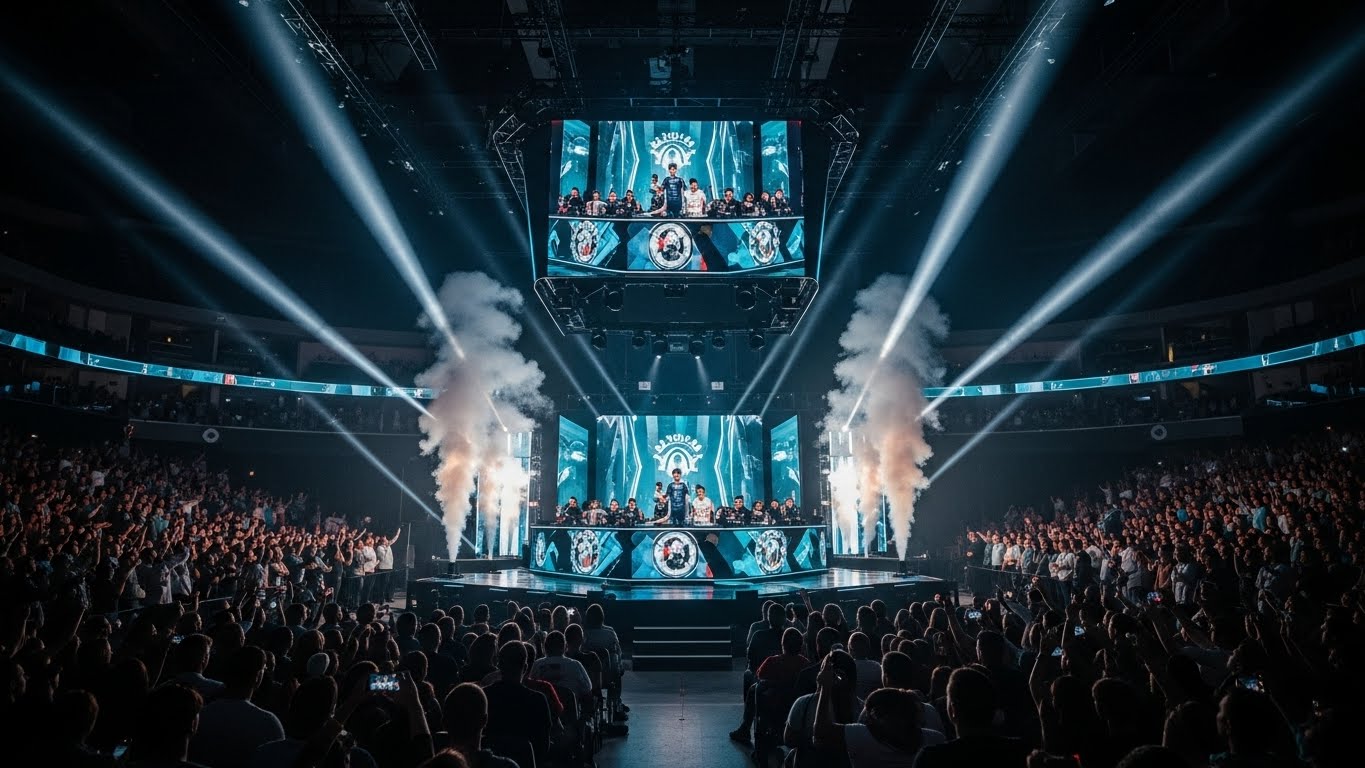
The integration of music, light shows, and celebrity performances at major tournaments also contributes to making esports events more like live concerts or entertainment spectacles. The addition of live commentary and expert analysis during matches mirrors the same structure found in traditional sports broadcasts, creating a more polished and engaging viewer experience.
The Business Side of Esports: Sponsorships, Investments, and Revenue Streams
One of the most significant drivers of esports’ growth is its burgeoning business model. From sponsorships to advertising and merchandise sales, the esports industry has developed multiple revenue streams that have made it one of the fastest-growing sectors in the entertainment world.
Major brands like Coca-Cola, Intel, Nike, and Audi have invested heavily in esports. These companies understand that esports is a valuable marketing channel to reach younger, tech-savvy audiences. The visibility offered by esports events is a powerful tool for brands looking to make a connection with consumers in an engaging and authentic way.
Sponsorship deals have expanded beyond just the teams and players to include entire tournaments, streaming platforms, and even individual players. The Fortnite World Cup, for example, had a prize pool of $30 million in 2019, underscoring the increasing financial rewards for top players.
The rise of esports betting is another revenue avenue that has contributed to the industry’s rapid growth. Similar to traditional sports betting, esports betting allows fans to place wagers on competitive matches. This has spurred interest in the competitive scene, with specialized platforms emerging to facilitate these types of bets.
Esports’ Impact on Traditional Sports and Pop Culture
Esports has had a significant influence on traditional sports, both in terms of viewership and organizational structure. The rise of esports leagues, team franchises, and sponsorships has inspired traditional sports teams to explore esports opportunities. NBA teams, for example, have created their own esports divisions, such as the NBA 2K League, allowing basketball fans to engage with their favorite teams in a virtual space.
Additionally, esports is helping to redefine the concept of “athleticism.” Traditional sports place a premium on physical skills, while esports athletes, or “gamers,” focus on mental acuity, reflexes, and strategic thinking. This has led to the recognition of esports as a legitimate sport in its own right. As esports continues to grow, more sports organizations are likely to incorporate esports into their portfolios, and collaborations between esports and traditional sports will only become more common.
On the cultural front, esports has become a significant part of pop culture, with famous players becoming household names and even transcending gaming circles. Players like Ninja, Shroud, and Faker are as famous as traditional sports stars in many parts of the world, and their influence is beginning to spread into mainstream entertainment.
The Future of Esports: What Lies Ahead?
As esports continues its rapid expansion, the future looks bright, with several key trends likely to shape its development in the coming years.
1. Increased Investment and Mainstream Adoption
As the esports industry matures, more investment from both private and public sectors is expected. The integration of esports into schools, universities, and even the Olympic Games is a possibility, given its increasing popularity and institutional recognition.
2. Globalization and Localized Content
Esports is truly global, and the next step for the industry is to localize its content for specific regions. More tournaments are likely to be held in different parts of the world, and more language options will be available for live streaming, making esports even more accessible to global audiences.
3. Technology Advancements
The ongoing development of AI, VR, and AR will have a significant impact on the future of esports. Virtual reality tournaments, where players and fans can interact in entirely immersive digital environments, may soon become the norm. AI will also likely play a key role in enhancing player performance and even analyzing match strategies in real-time.
4. Esports as a Career Path
Esports is becoming a legitimate career option for many young people, with professional players, coaches, analysts, and even broadcasters able to make a living from their involvement in the scene. As the industry grows, esports-related jobs will become even more diverse, from team management and marketing to content creation and software development.
Conclusion: Esports is Here to Stay
Esports is no longer a passing trend—it’s a permanent fixture in the entertainment and sports world. With its rapidly expanding fan base, lucrative sponsorships, and professional leagues, esports has proven itself to be a force to be reckoned with. Whether you’re a casual gamer or a dedicated fan, esports offers something for everyone. Its future is bright, and we can expect even more innovations, exciting tournaments, and community-building in the years to come.
As we watch esports continue to grow and evolve, one thing is clear: The digital arena is here to stay, and its impact will only increase in the years to come.