arenabattle49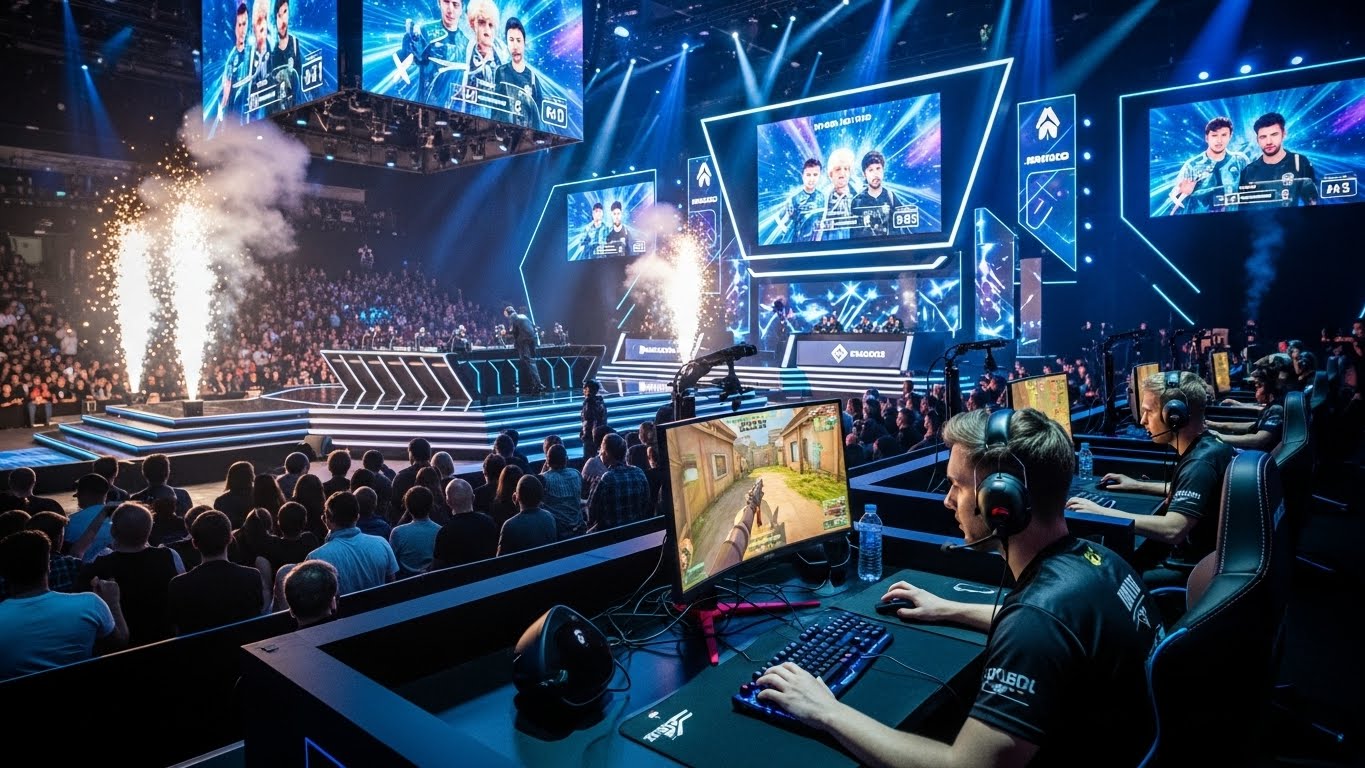
In recent years, the world of esports has rapidly grown from a niche community to a mainstream global phenomenon. What was once a pastime for a small group of dedicated gamers has transformed into a multi-billion-dollar industry. Professional gamers now compete in tournaments with prize pools reaching millions of dollars, and the number of people tuning in to watch these events continues to rise. But what exactly is driving this growth, and how is esports reshaping the entertainment landscape? In this blog post, we’ll explore the rise of esports, the factors behind its growth, and what makes this digital sport so exciting for players and fans alike.
What Is Esports?
Esports, short for electronic sports, refers to organized, multiplayer video game competitions. These competitions are usually between professional players or teams who compete for titles and substantial prize money. The games involved span across various genres such as real-time strategy, first-person shooters, multiplayer online battle arena (MOBA) games, and battle royale titles. Examples include League of Legends, Counter-Strike: Global Offensive, Dota 2, and Fortnite. Esports events can take place in physical arenas, but with the growth of streaming platforms, they are increasingly broadcast online, allowing fans around the world to tune in.
Unlike casual gaming, which is done for entertainment, esports is played with a professional mindset. Players undergo rigorous training, develop strategies, and hone their skills over years of dedication. Esports is no longer just about playing games; it has become a legitimate career for many individuals, with organizations, coaches, analysts, and broadcasters all contributing to the ecosystem.
The Factors Behind the Growth of Esports
1. The Technological Boom
One of the key factors contributing to the rapid rise of esports is the technological advancements in gaming hardware and software. Gaming PCs, high-performance consoles, and the development of faster, more stable internet connections have dramatically improved the quality of gaming experiences. The enhanced visual graphics and low latency online play are crucial to making competitive gaming smooth and immersive for players and spectators.
Moreover, the widespread availability of high-speed internet has made online multiplayer games more accessible. Players no longer need to be in the same room or even the same country to compete at the highest level. Tournaments and competitive matches can be broadcast online with minimal delay, enabling global audiences to watch in real-time.
2. The Rise of Streaming Platforms
Platforms like Twitch, YouTube Gaming, and Facebook Gaming have played an instrumental role in the growth of esports. These platforms allow gamers to stream their gameplay live, creating an interactive experience where fans can watch, comment, and even interact with the streamers in real-time. For esports, this has been a game-changer.
Twitch, in particular, has become a hub for competitive gaming. Professional players, teams, and esports organizations regularly stream their matches, practices, and even casual gaming sessions. Fans can follow their favorite teams, learn new strategies, and engage with the content creators through live chat.
This streaming revolution has also given rise to a new breed of influencers in the gaming community. Gamers like Ninja, Shroud, and Pokimane have become household names, attracting millions of followers and securing lucrative sponsorships. The ability to interact with fans directly, showcase their gaming talents, and build personal brands has turned professional gamers into celebrities in their own right.
3. Professionalization of Esports
What was once a hobby for a dedicated few has now evolved into a highly professionalized industry. Esports teams are now organizations that employ players, coaches, analysts, and other support staff to help their teams achieve peak performance. The structure of esports teams mirrors that of traditional sports, with highly skilled individuals working together toward a common goal.
Professional players now train like athletes, spending hours refining their strategies, practicing their skills, and analyzing their gameplay. Many esports organizations have facilities dedicated to their teams, where they can practice and strategize in a controlled environment. These teams often travel the world, competing in international tournaments for significant cash prizes.
Moreover, the financial stakes in esports have skyrocketed. Top-tier events like The International, League of Legends World Championship, and CS:GO Major Championships offer prize pools in the millions of dollars. This has attracted major sponsors, including tech giants like Intel, Red Bull, and Coca-Cola, which have poured millions of dollars into supporting esports events and teams. The influx of money has made esports a viable career for many talented individuals.
4. Global Appeal and Accessibility
Esports is truly global, and its reach extends far beyond the United States or Europe. Countries in Asia, such as South Korea and China, have long been at the forefront of the esports industry, with esports stars enjoying celebrity status and massive fan followings. In fact, South Korea has been considered the birthplace of professional esports, and its national broadcasting network has aired esports events for over a decade.
In recent years, esports has exploded in popularity in regions like North America, Europe, and Southeast Asia. Games like League of Legends, PUBG Mobile, and Dota 2 have attracted millions of fans worldwide. The accessibility of gaming platforms has allowed players from different cultural and linguistic backgrounds to compete in the same tournaments, making esports an international phenomenon that transcends geographical boundaries.
What’s more, the growing popularity of mobile gaming is further broadening the reach of esports. Mobile games like Arena of Valor and PUBG Mobile are now being played by millions of people worldwide, particularly in countries where access to high-end gaming PCs and consoles may be limited. This has created a new class of esports tournaments specifically focused on mobile gaming, further cementing the industry’s global influence.
5. Esports in the Mainstream Media
Esports has increasingly caught the attention of traditional media outlets. Networks like ESPN, Turner Sports, and BBC have begun broadcasting esports events, helping to raise its profile among non-gamers. Mainstream sports channels, particularly in the United States, now feature esports competitions as part of their regular programming.
Additionally, major sports leagues are getting involved in the esports world. The NBA, for instance, has launched the NBA 2K League, which features professional players competing in the NBA 2K video game. Similarly, other professional sports leagues, such as the English Premier League, have launched their own esports tournaments. This cross-pollination between traditional sports and esports has helped to legitimize competitive gaming as a form of mainstream entertainment.
Why Do People Watch Esports?
As the popularity of esports continues to grow, it’s important to ask: why do people tune in to watch these competitions? The answer lies in several key factors.
1. High-Level Competition
Just like traditional sports, the appeal of esports lies in the intense competition. The level of skill displayed by professional players is astonishing, and watching these athletes perform at their peak is captivating. Whether it’s the precision aim of a Counter-Strike player or the strategic decision-making in League of Legends, esports fans are drawn to the thrill of high-level competition.
2. Entertainment and Production Value
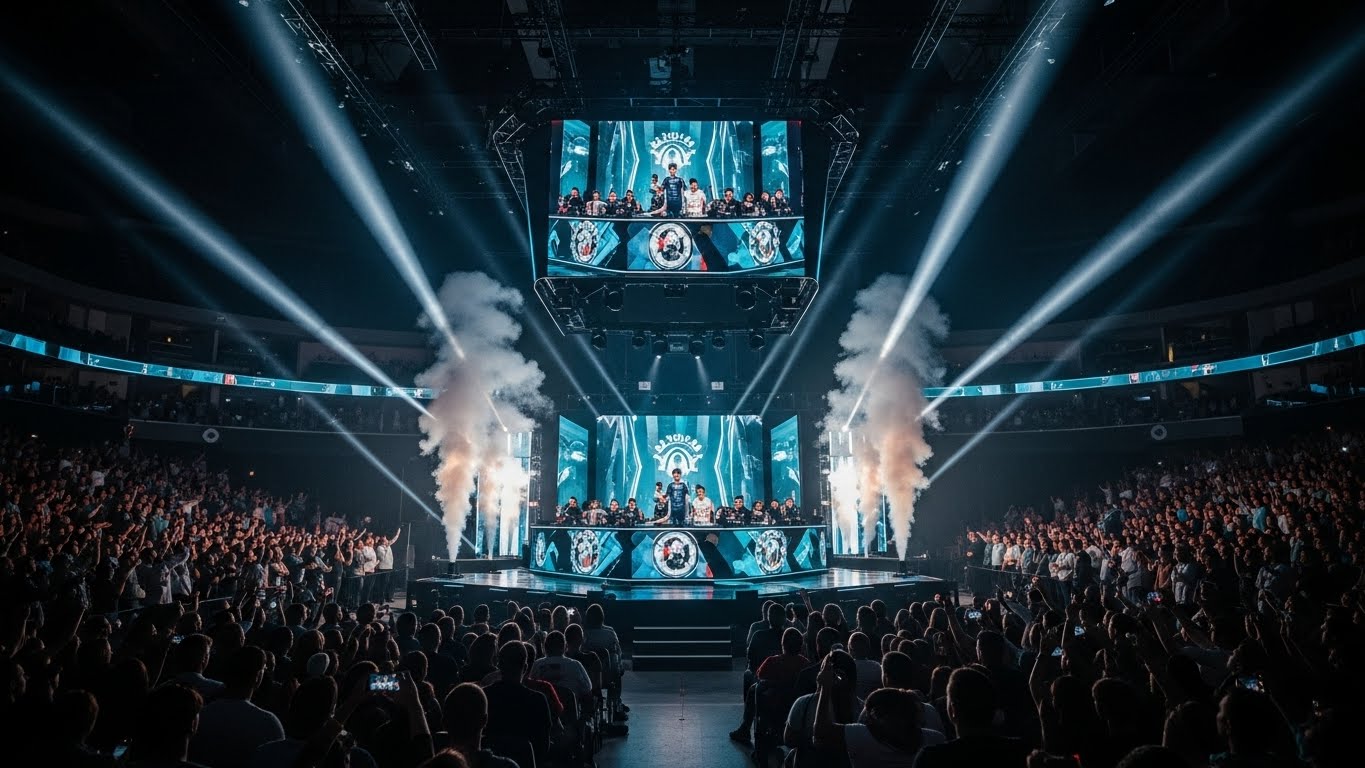
Esports events have become massive spectacles, with high production values, expert commentary, and visually engaging broadcasts. Tournaments are often held in large arenas, complete with flashy lights, sound effects, and elaborate stage setups. This level of production ensures that the viewing experience is exciting, making it just as entertaining as any traditional sports event.
Additionally, esports tournaments feature expert commentators, or “casters,” who provide play-by-play analysis and color commentary. These casters are similar to sports announcers in traditional sports, and they bring a level of energy and excitement to the event that is infectious for viewers.
3. Community Engagement
Esports fans are incredibly passionate and engaged. Social media platforms, online forums, and fan groups foster a sense of community, where people can discuss strategies, share content, and support their favorite teams. The sense of belonging that fans feel within the esports community is a huge draw.
Moreover, esports fans often interact with players directly through streaming platforms like Twitch. Viewers can ask questions, make comments, and even influence gameplay by contributing to live polls. This level of interaction fosters a deeper connection between fans and players, making the experience more immersive.
4. The Rise of Esports Betting
As esports has gained in popularity, betting on esports events has also grown. Like traditional sports, esports fans can now place bets on their favorite teams or players, adding another layer of excitement to the experience. Esports betting platforms offer odds on tournaments for games like Dota 2, CS:GO, and League of Legends, providing fans with an additional way to engage with the events they love.
The Future of Esports
As esports continues to grow, its future looks incredibly promising. With the continued development of new gaming technology, the integration of virtual and augmented reality, and the expansion of mobile gaming, esports will likely see new forms of competition and engagement.
Esports is also becoming more formalized in terms of education. Universities around the world are now offering esports programs, complete with scholarships for aspiring professional gamers. This will help to ensure a steady stream of talent entering the industry for years to come.
Moreover, the continued mainstream acceptance of esports by traditional media outlets and sports leagues will further solidify its place in the entertainment industry. As esports becomes more integrated into our daily lives, it may even become an Olympic event in the future, further cementing its status as a global form of competition.
Conclusion
Esports is no longer just a passing trend. It has evolved into a massive global industry that rivals traditional sports in terms of viewership, revenue, and cultural significance. With its high-level competition, massive fan base, and growing professionalization, esports is changing the way we think about entertainment.