arenabattle49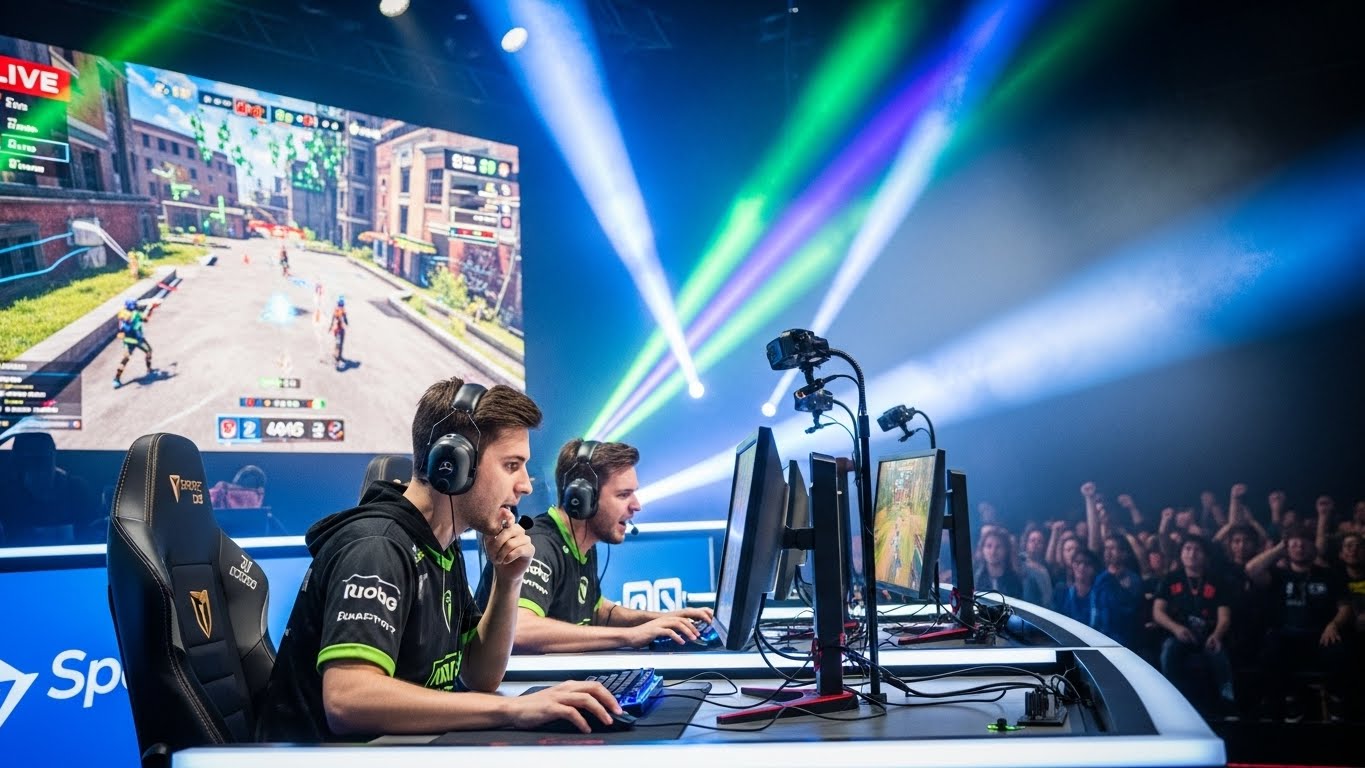
Introduction to a New Competitive Era
Esports has revolutionized the landscape of modern entertainment, transforming video games into highly organized, fiercely competitive global events. What started as small local tournaments has grown into a massive industry that captures the attention of millions. Today, esports sits at the crossroads of technology, culture, and competitive spirit, offering a new dimension of sportsmanship and digital unity. As screens evolve into stadiums and players become athletes, esports is no longer just a pastime but a legitimate global phenomenon reshaping how the world experiences competition.
The Early Beginnings of Esports
Esports did not become a global powerhouse overnight. Its roots stretch back to the early days of arcade gaming, where players competed for high scores on classic titles. Simple games sparked intense rivalries, planting the seeds for organized competitive gaming. When PC gaming began to flourish in the 1990s and early 2000s, titles such as Quake, StarCraft, and Counter-Strike gained massive followings and introduced structured tournaments. These competitions laid the groundwork for the disciplined training, strategy development, and sponsorship elements that now define professional esports.
The Growth of Competitive Game Genres
Esports spans multiple genres, each offering distinct competition styles, skill requirements, and fan communities.
Multiplayer Online Battle Arenas: Such as Dota 2 and League of Legends, focus on team strategy, hero synergy, and coordination. These games demand critical thinking, quick reactions, and in-depth game knowledge.
First-Person Shooters: Including Counter-Strike and Overwatch, place heavy emphasis on aim precision, map control, and tactical movement. Teams rely on communication and synchronization to outmaneuver opponents.
Battle Royale Titles: Games like Fortnite and PUBG challenge players to survive in massive open arenas. Adaptability, resource management, and positioning play crucial roles in achieving victory.
Sports Simulation Games: Titles such as FIFA and NBA 2K mirror real sports, adding layers of strategy, timing, and reflexes. They attract players who enjoy the fusion of real-world sports with digital competition.
Strategy and Card Games: These demand mental sharpness, planning, and unpredictability. Players must anticipate opponents’ decisions while executing their own strategies flawlessly.
Each genre contributes uniquely to the esports ecosystem, shaping the diversity and richness of the competitive gaming world.
The Rise of Professional Esports Teams
Today’s esports teams operate like professional sports organizations. They recruit players through scouting camps, performance trials, and talent programs. Once selected, players train intensely, often practicing for hours each day. Teams hire coaches, analysts, nutritionists, and physical trainers to support player performance. Analysts study game footage, identify weaknesses, and develop counter-strategies to gain a competitive edge.
In addition to competitive success, branding is a major part of an esports team’s identity. From merchandise to social media presence, teams engage with fans worldwide, turning players into global icons. Esports organizations now stand as influential entities within the entertainment industry, attracting partnerships from major brands and investors.
Training and Discipline in Esports
Contrary to misconceptions, esports requires more than gaming talent. Professional players commit to disciplined routines similar to traditional athletes. Training schedules often include practice sessions, team meetings, strategy analysis, physical workouts, and mental conditioning. Reflexes, hand-eye coordination, and decision-making abilities must be constantly refined.
Mental toughness is particularly important in esports. Players face stress from intense matches, high expectations, and large audiences. Developing resilience, focus, and emotional control is essential for maintaining peak performance. Many teams employ psychologists to help players cope with pressure and maintain a healthy mindset.
The Role of Technology in Esports Evolution
Technology is the backbone of the esports industry. Advancements in hardware, software, and internet connectivity have elevated competitive gaming to new heights. High-performance computers, gaming peripherals, and optimized servers reduce latency and create seamless gaming experiences.
Broadcasting technology has also played a crucial role. Viewers can watch tournaments in high definition with real-time commentary, player interviews, and analytical breakdowns. Production levels rival traditional sports broadcasts, complete with graphics, stage lighting, and dynamic camera angles.
Emerging technologies such as virtual reality and augmented reality promise to further transform esports by creating immersive gameplay experiences and interactive viewing formats. Meanwhile, artificial intelligence enhances game balance, coaching tools, and data analytics, helping teams refine strategies.
The Global Rise of Esports Audiences
Esports boasts one of the fastest-growing fan bases in the world. Millions tune in to watch tournaments, follow their favorite teams, and track player rankings. Viewership often surpasses traditional sports events, especially among younger generations who find digital competition more relatable and accessible.
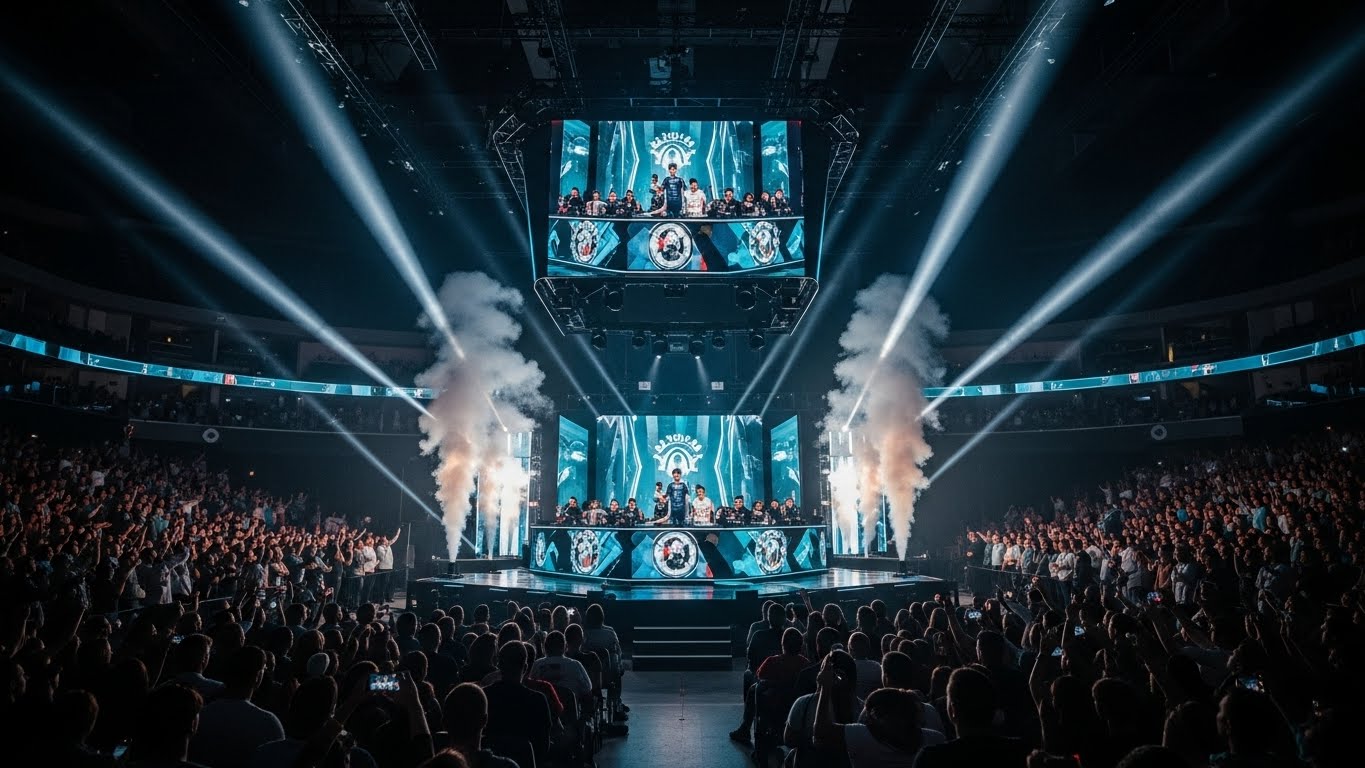
Live events have also transformed the esports experience. Stadiums and arenas fill with passionate fans waving banners, wearing team jerseys, and cheering for their favorite players. The competitive energy mirrors that of traditional sports, proving that digital games can evoke real-world excitement and camaraderie.
The Economic Power of the Esports Industry
Esports generates revenue through sponsorships, advertising, prize pools, merchandising, media rights, and team branding. Major companies support tournaments and teams, recognizing the influence esports has on global youth culture.
Prize money for tournaments can reach millions, making esports a highly rewarding career for top players. Content creators, shoutcasters, analysts, and event organizers also benefit from the industry’s growth, creating a wide range of career opportunities.
Esports has also influenced the gaming industry by driving innovation in game development, marketing, and community engagement. Developers design games specifically for competitive play, ensuring balance, depth, and spectator-friendly elements.
The Cultural Influence of Esports
Esports is more than competition; it is a cultural movement. It influences fashion, music, entertainment, and online trends. Players and teams build massive followings and inspire fans around the world. Esports characters, moments, and stories shape memes, fan art, and community discussions.
The culture extends beyond gaming, promoting values such as teamwork, perseverance, and creativity. Esports provides a platform where individuals from diverse backgrounds connect through shared passion. The community fosters inclusivity, offering opportunities for players of all skill levels to participate or spectate.
Esports in Education and Career Development
Educational institutions increasingly integrate esports into academic and extracurricular programs. Schools and universities offer esports scholarships, training facilities, and competitive clubs. These programs support career development in fields such as game design, coaching, event management, broadcasting, and digital marketing.
Esports programs teach valuable life skills including communication, leadership, time management, and strategic thinking. Students learn how to collaborate effectively, analyze information, and adapt to challenges, making esports a powerful tool for personal and professional growth.
The Challenges and Responsibilities in Esports
While esports continues to rise, it faces challenges that must be addressed for sustainable growth. Issues such as online toxicity, unfair gameplay practices, cheating, and player burnout can damage the integrity of the industry. Organizations must promote fair play, enforce rules, and provide support systems for players.
Long-term career stability is another challenge. Esports careers can be short due to the fast-paced nature of games and the physical strain of constant training. Providing alternative roles for retired players, such as coaching or content creation, helps maintain career longevity.
Health concerns, both physical and mental, highlight the need for balanced routines. Teams increasingly incorporate health management programs to ensure players remain well-rounded and healthy.
Esports and Its Future Potential
The future of esports is expansive and full of possibility. As technology continues to evolve, new genres, platforms, and competitive experiences will emerge. Virtual reality competitions may become mainstream, offering immersive digital arenas. Mixed-reality tournaments could blend physical and digital elements, creating unparalleled spectator experiences.
Esports is also becoming more global, with emerging markets contributing new players, teams, and fans. International competitions will continue to grow, promoting global unity through digital sportsmanship. As acceptance increases, esports may even secure its place in global sporting events, further solidifying its status as a legitimate competitive discipline.
Conclusion: A Transformative Force in Modern Entertainment
Esports has redefined the meaning of competition in the digital age. It blends technology, creativity, strategy, and human passion into one compelling experience. From casual gaming roots to professional global tournaments, esports has grown into a powerful cultural and economic force.
It empowers individuals to showcase talent, fosters global communities, and inspires millions to pursue digital careers. Esports is not just the future of gaming but a cornerstone of modern entertainment. As the digital arena expands, it invites players and fans from all corners of the world to join in and shape the next chapter of competitive evolution.