arenabattle49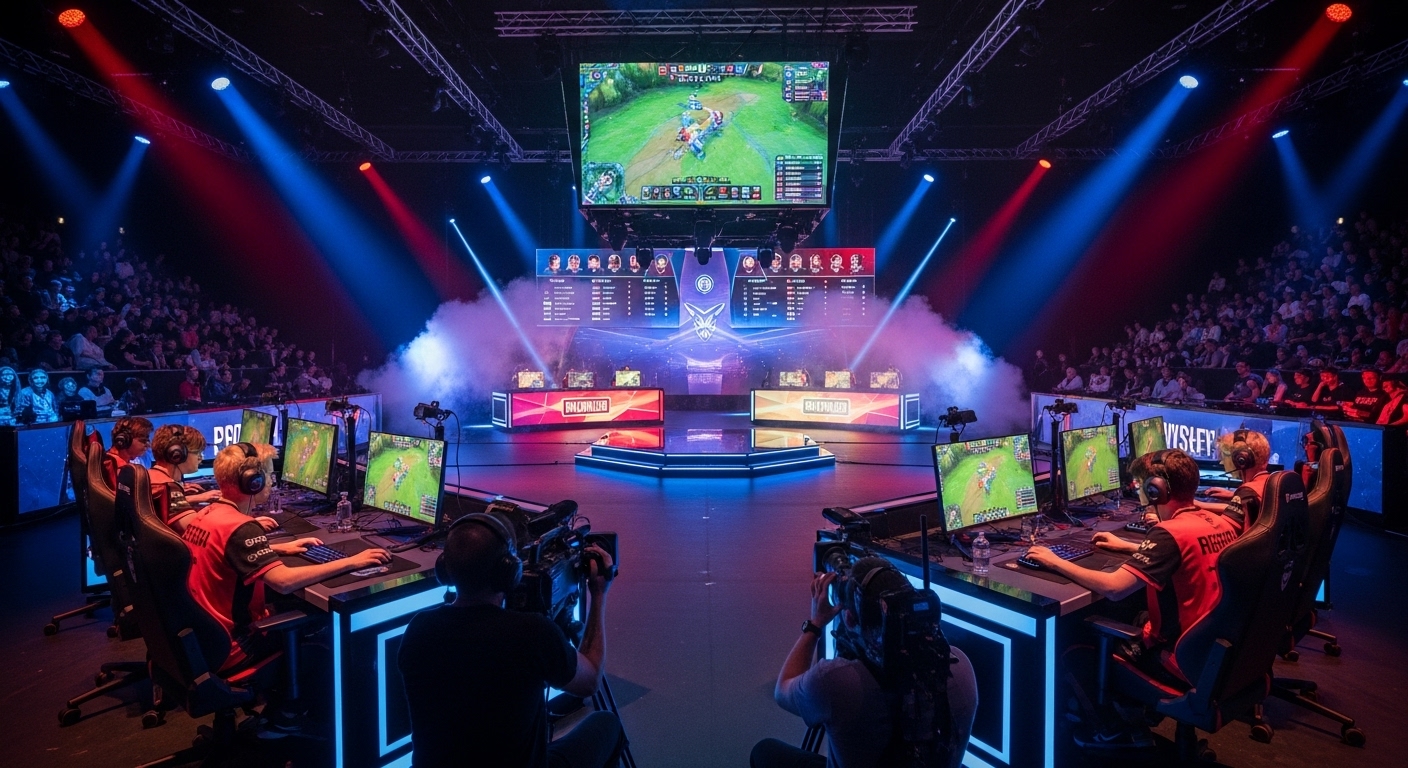
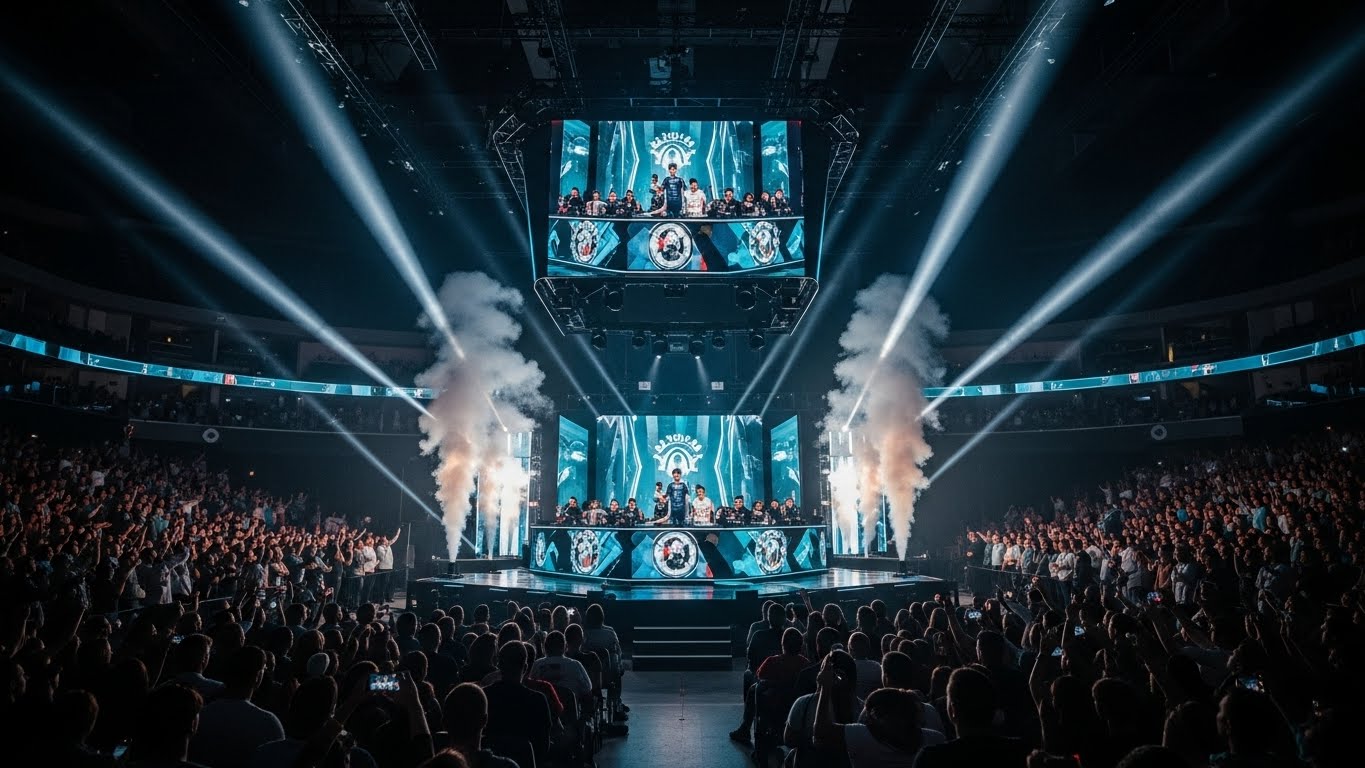
Esports has swiftly transformed from a niche hobby to a multi-billion-dollar industry that is captivating millions around the world. What began as small competitions among gaming enthusiasts has now evolved into a global phenomenon that rivals traditional sports in terms of viewership, sponsorships, and cultural impact. Esports tournaments draw massive crowds, both physically in arenas and virtually through live streams, while professional gamers enjoy celebrity status and lucrative career opportunities. In this blog post, we will explore how esports grew from humble beginnings into a powerhouse of competitive entertainment, the key factors driving its success, and the impact it has had on culture and the entertainment landscape.
The Early Days: From Arcade Games to Competitive Tournaments
Esports traces its origins to the early days of gaming, where players competed in local tournaments or against friends in arcades. The first examples of organized competitive gaming came in the form of high-score competitions, where players tried to outdo one another in arcade games like Pong, Space Invaders, and Asteroids. These informal competitions gradually gave way to more organized events as the gaming community grew.
One of the first true esports tournaments was the 1997 Red Annihilation competition for the game Quake. This tournament was significant not only because it was one of the first to offer substantial prizes but also because it was streamed online. Players from around the world competed, and the winner took home a Ferrari. The event’s success highlighted the potential for video games to be turned into serious competitive events, setting the stage for future esports leagues.
By the early 2000s, the rise of the internet and the proliferation of broadband connections helped facilitate online gaming, allowing people to compete from the comfort of their homes. Games like StarCraft and Warcraft III became highly popular, especially in South Korea, where professional gaming leagues began to form. These leagues provided a platform for competitive gaming to grow, with the most popular players attracting large fanbases and lucrative sponsorships.
The Rise of Major Esports Titles and Global Competitions
The early successes of games like Quake and StarCraft paved the way for other games to enter the competitive scene. As the esports ecosystem expanded, games that offered dynamic multiplayer experiences and strategic depth began to dominate competitive gaming. Titles like Counter-Strike, Dota 2, and League of Legends became staples of esports, each bringing unique elements to the competitive gaming landscape.
Counter-Strike, a tactical first-person shooter, introduced a more team-based and strategic form of gameplay that resonated with players and fans alike. Its popularity spawned professional leagues, with the game’s developer, Valve Corporation, eventually taking control of the competitive scene by organizing major tournaments such as ESL One and CS:GO Major Championships.
League of Legends (LoL) from Riot Games became one of the most successful and influential esports titles. Released in 2009, LoL’s combination of fast-paced action and deep strategic elements quickly made it the premier game in the multiplayer online battle arena (MOBA) genre. Riot Games created a structured league system with regular seasons, playoffs, and world championships, helping to solidify esports as a legitimate sport. The League of Legends World Championship became one of the largest and most-watched esports events, drawing millions of viewers from around the world. The event’s grand prize of millions of dollars also helped establish esports as a viable professional career for top-tier players.
Similarly, Dota 2, developed by Valve, introduced its own competitive ecosystem with The International, an annual tournament with a crowdfunded prize pool that reached staggering amounts. The introduction of this funding model, which allowed the community to contribute to the prize pool, added a level of excitement and community engagement that had not been seen before in esports. The International continues to break viewership records and is often regarded as the most prestigious tournament in competitive gaming.
The Explosion of Streaming and Esports as a Spectator Sport
One of the most significant factors contributing to the growth of esports has been the rise of online streaming platforms, particularly Twitch. Twitch, a platform primarily focused on live streaming video game content, played a pivotal role in popularizing esports as a spectator sport. Viewers could now watch professional players in real-time, with many streamers offering live commentary, reactions, and expert analysis.
Twitch revolutionized the way people engaged with esports. In addition to watching live gameplay, viewers could interact with the streamers and other fans through live chat, creating a more immersive and communal experience. This interaction allowed esports fans to feel closer to the action, engaging with the players, teams, and tournaments as if they were part of the experience themselves.
In addition to Twitch, platforms like YouTube Gaming and Facebook Gaming also emerged as major players in the esports streaming landscape. These platforms provided alternative ways for fans to access live events, tournaments, and content. As more esports tournaments and events began to stream their competitions online, the viewership numbers skyrocketed. Some of the most popular tournaments, such as the League of Legends World Championship, consistently draw tens of millions of viewers worldwide, comparable to the viewership numbers of traditional sports events like the Super Bowl or the FIFA World Cup.
Streaming platforms also provided a new avenue for players to build their personal brands. Professional gamers and content creators could now use their streaming channels to interact with fans, build their followings, and secure lucrative sponsorships and partnerships. Top streamers have gained millions of followers, with some even securing endorsement deals from major brands like Red Bull, Coca-Cola, and Nike. This helped elevate gaming personalities to celebrity status, with gamers like Ninja and Shroud becoming household names in the process.
Esports Industry and Sponsorships: A Multimillion-Dollar Business
The rise of esports has been accompanied by a flood of investment and sponsorship. Brands across industries—from gaming and technology to fashion and even automobiles—have recognized the massive potential of esports as a marketing tool. Sponsorship deals with major corporations have helped elevate esports into a legitimate industry, with professional teams, tournaments, and players securing significant financial backing.
Esports sponsorships are not limited to just video game hardware companies. While companies like Logitech, Razer, and Alienware have long supported the esports ecosystem by providing gaming peripherals and equipment, mainstream brands have also jumped on the bandwagon. Beverage companies like Mountain Dew, energy drink brands like Red Bull, and even automobile giants like Mercedes-Benz and Audi have all invested in the esports scene by sponsoring teams, tournaments, and events.
These sponsorships contribute significantly to the financial viability of esports, ensuring that prize pools grow, players are compensated for their time and effort, and organizations can continue to operate at a high level. In many ways, sponsorships are what have allowed esports to thrive as a professional industry, providing the necessary funding to support tournaments, teams, and the logistics involved in hosting events.
Media rights and broadcasting also play a key role in the economic model of esports. Broadcasting companies and streaming platforms pay substantial amounts to secure exclusive rights to major esports events, knowing that they will attract a massive and engaged audience. As a result, esports has become a lucrative business not only for players and teams but also for production companies, media outlets, and even game developers.
Esports and its Cultural Impact: From Gaming to Mainstream Recognition
Esports’ rapid rise has had a profound cultural impact, especially on how gaming is perceived by society. No longer is gaming considered a solitary activity or a pastime for introverts. Today, gaming is an integrated part of popular culture, with esports at the forefront. The acceptance of gaming as a legitimate form of entertainment has made esports accessible to a broader audience, including those who might never have considered watching video games as a competitive sport.
In addition, esports has bridged the gap between gaming and traditional sports. Events like The International, League of Legends Worlds, and the Fortnite World Cup are now being broadcast alongside traditional sports events, creating a hybrid entertainment experience that appeals to both gaming enthusiasts and traditional sports fans. Esports is increasingly being seen as a sport in its own right, with professional leagues, player rankings, and even national teams competing in international competitions.
Esports has also become a significant driver of social interaction and community building. Fans of particular games or teams often form tight-knit communities, where they bond over shared interests, cheer for their favorite players, and engage in discussions about strategy and gameplay. Social media platforms, including Twitter, Instagram, and Discord, have helped build these communities, further connecting fans from around the world.
Moreover, esports has helped redefine the concept of sportsmanship and teamwork in the digital age. The intense focus on communication, strategy, and coordination in games like Overwatch and League of Legends has shown that esports, much like traditional sports, requires players to work together, think critically, and remain focused under pressure. This emphasis on teamwork and dedication has made esports an attractive career option for young people who dream of turning their passion for gaming into a professional pursuit.
The Future of Esports: Opportunities and Challenges
Looking ahead, esports shows no signs of slowing down. The industry continues to expand into new markets, attract fresh talent, and develop innovative business models. However, there are challenges that need to be addressed to ensure its continued success.
One of the biggest challenges is player well-being. The intense training schedules and high-pressure environments of professional esports can lead to burnout and mental health issues. As the industry matures, it will be essential for organizations to prioritize the health and well-being of their players, offering support systems and healthy work-life balances.
Another challenge lies in the long-term sustainability of esports ecosystems. While the industry has seen tremendous growth, it is important that game developers, teams, and organizers work together to ensure that esports events are sustainable and that players have career longevity.