arenabattle49
Esports, once viewed as a casual pastime, has evolved into a global industry generating billions of dollars annually. As competitive gaming continues to grow in scale and professionalism, governments around the world have begun to recognize its potential not only as entertainment but also as a legitimate career pathway. From funding initiatives and scholarships to regulatory frameworks and international recognition, government support has become a crucial factor in shaping the future of esports careers.
This article explores how governments across different regions are helping to build sustainable esports ecosystems, the types of programs they implement, and why such involvement is essential for the continued success of the industry.
The Rising Legitimacy of Esports
Over the past decade, esports has transformed from an underground culture into a mainstream phenomenon. Major tournaments now fill arenas, universities offer esports degrees, and professional players earn salaries comparable to traditional athletes.
However, this rise didn’t happen overnight. It required structural support — including sponsorship, policy development, and public recognition — for esports to gain legitimacy as a professional field. Governments began to step in, acknowledging that the industry contributes not only to entertainment but also to job creation, education, and national branding.
Why Government Support Matters
Government involvement plays a vital role in legitimizing esports and ensuring its long-term growth. Unlike traditional industries, esports careers can be unconventional, spanning across gaming, broadcasting, event organization, content creation, marketing, and software development.
Without proper policies, players and workers in esports can face uncertain working conditions, lack of legal protection, and limited career stability. Government support addresses these challenges by:
- Establishing legal recognition of esports as a sport or profession
- Providing financial aid and scholarships for aspiring players
- Creating infrastructure for tournaments and training
- Encouraging educational programs related to gaming and technology
- Fostering international collaboration and competition
Through these measures, governments help integrate esports into the broader economy, turning it into a viable career field rather than a short-lived hobby.
Legal Recognition of Esports
One of the first and most important steps governments take is granting esports legal recognition. This acknowledgment ensures that esports players are treated similarly to athletes in other sports and can benefit from the same rights and support systems.
South Korea – The Pioneer of Esports Legitimacy
South Korea is often hailed as the birthplace of professional esports. The government recognized competitive gaming as an official sport as early as the 2000s. Through organizations like the Korea e-Sports Association (KeSPA), the government created standardized systems for player contracts, tournaments, and team management.
KeSPA’s involvement ensured fairness, regulated sponsorships, and even collaborated with schools to identify and train future players. This model has since inspired many other countries to follow suit.
China – State-Backed Growth
China’s government has heavily invested in esports as part of its cultural and technological development strategy. Esports is officially recognized as a profession, allowing players and coaches to register their occupation legally. Several cities, including Shanghai and Hangzhou, have built government-supported esports arenas and training centers.
China’s Ministry of Human Resources even includes esports managers and operators as recognized job titles, which legitimizes employment contracts and improves access to benefits.
United States – Visa and Education Policies
In the U.S., esports gained legitimacy when the government began granting P-1 visas (athlete visas) to professional players traveling for tournaments. This was a crucial step toward recognizing esports competitors as professional athletes.
Additionally, numerous states have supported esports programs in schools and universities, helping create structured pathways for young players interested in gaming careers.
Educational Support and Scholarships
Education has become a major channel through which governments promote esports. By integrating gaming into academic programs, they create opportunities for students to pursue both education and their passion for esports.
University Esports Programs
Many countries have introduced government-backed partnerships with educational institutions to develop esports curricula. For example:
- United States: Several universities now offer scholarships for esports athletes, supported by local governments and educational boards. These programs help students balance competitive gaming with academic development.
- United Kingdom: The government has collaborated with universities to introduce degrees in esports management, game design, and broadcasting. These programs focus on the business and technological sides of the industry.
- Singapore: The government encourages polytechnics and institutes of higher learning to develop esports modules and certifications, promoting technical and creative skills relevant to gaming.
These initiatives not only create future professionals in gaming but also expand the industry’s ecosystem — from event organizers and analysts to developers and marketers.
Infrastructure and Investment Initiatives
Governments are also investing in physical and digital infrastructure to support esports careers. This includes building arenas, training facilities, and technological hubs to host tournaments and nurture talent.
Esports Arenas and Training Centers
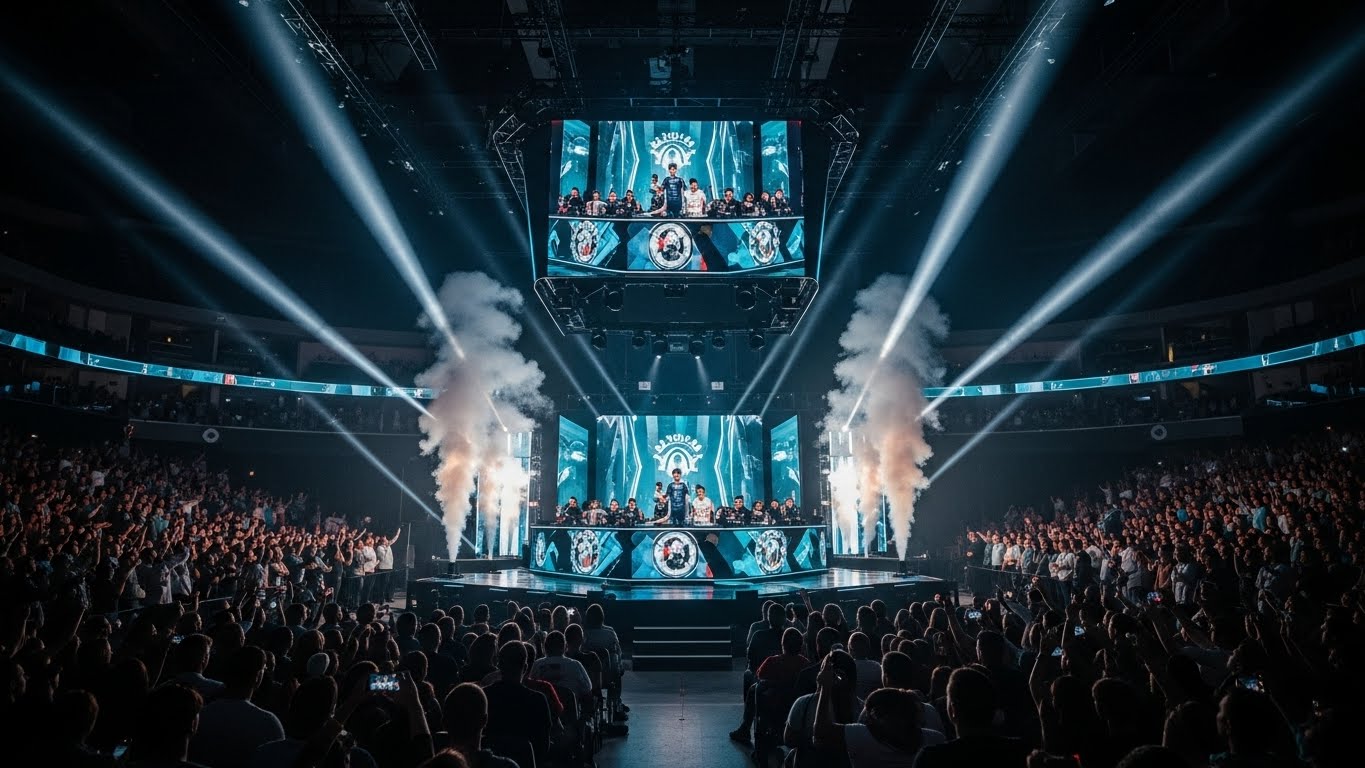
Countries like China, South Korea, and the United Arab Emirates have invested in purpose-built esports venues that rival traditional sports stadiums. These facilities provide spaces for players to train, teams to scrimmage, and fans to gather.
For instance, Shanghai’s Esports Stadium was developed with government funding and now serves as a hub for both national and international tournaments. Similarly, Dubai’s Esports Festival, supported by the UAE government, showcases how public-private partnerships can promote gaming culture while driving tourism.
Funding and Grants
Several governments offer financial support to startups, gaming studios, and esports teams.
- France: The French government provides grants for esports event organizers and works with the French Esports Association to regulate tournaments.
- Malaysia: Through initiatives by the Ministry of Youth and Sports, Malaysia has provided millions in funding for national esports programs, aiming to train professional players and create job opportunities.
- Indonesia and Thailand: These countries have launched national esports programs to scout talent and send teams to global competitions like the SEA Games.
Such investments show how esports is increasingly seen as part of national economic strategy.
Tax Incentives and Business Support
Governments also encourage private investment in esports through tax breaks and business-friendly regulations.
- Canada and the UK offer tax credits for gaming and digital media companies, which indirectly benefit esports organizations.
- Singapore’s Infocomm Media Development Authority (IMDA) provides financial support for local gaming events and startups, ensuring a steady flow of new opportunities for players and professionals.
- China gives esports organizations special incentives in designated tech zones, supporting the growth of regional gaming hubs.
These policies not only boost employment but also attract international companies to invest in local esports scenes.
Supporting Esports as a Cultural Export
Some governments view esports as a tool for soft power — a way to promote national identity and culture globally. By investing in esports, countries can project innovation, creativity, and modernity.
- South Korea promotes its esports stars as cultural ambassadors, helping to export its entertainment industry alongside K-pop and film.
- Japan, with its deep gaming heritage, supports tournaments featuring its iconic franchises, reinforcing its global reputation as a leader in gaming culture.
- Nordic countries like Finland and Sweden fund grassroots gaming communities, integrating esports into broader cultural initiatives.
This recognition enhances the prestige of esports professionals, making the career more appealing and respected domestically and abroad.
Health, Welfare, and Career Transition Programs
Governments are also beginning to focus on the long-term well-being of esports professionals. Since competitive gaming careers are often short due to burnout or age-related reflex decline, policies now aim to protect players’ health and career sustainability.
- South Korea enforces contracts that ensure fair wages, breaks, and medical support for professional players.
- Germany and Sweden have introduced programs that help retired players transition into coaching, analysis, or broadcasting roles.
- Singapore’s Health Promotion Board collaborates with esports organizations to promote mental and physical health awareness among players.
These initiatives emphasize that esports, like any sport, requires balance between competition and personal well-being.
Government-Backed Esports Federations
To organize the industry more effectively, many nations have established esports federations supported by government agencies.
Examples include:
- Korea e-Sports Association (KeSPA) in South Korea
- Esports Federation of India (ESFI)
- British Esports Federation in the UK
- Singapore Esports Association (SGEA)
These bodies oversee player licensing, tournament regulation, and international representation. Their collaboration with ministries ensures standardization and accountability across the esports ecosystem.
Global Competitions and International Cooperation
Governments are also collaborating internationally to promote esports diplomacy. Events like the Asian Games, which included esports as a medal event, demonstrate official recognition on a continental scale.
Cross-border cooperation allows teams to travel, compete, and train with ease. Visa facilitation, funding for international tournaments, and global partnerships are becoming standard practices.
This not only benefits professional players but also boosts each country’s visibility on the global stage.
Challenges in Government Involvement
Despite the growing support, there are challenges governments still face in managing esports development effectively:
- Regulation vs. Freedom: Too much control can stifle creativity, while too little can lead to exploitation.
- Uneven Recognition: Some countries still view gaming as a distraction rather than a profession.
- Infrastructure Gaps: Developing nations may lack the resources to invest heavily in esports facilities.
- Mental Health and Burnout: Ensuring sustainable player lifestyles remains an ongoing concern.
Balancing these factors is critical to building a healthy, long-lasting esports ecosystem.
The Future of Government Involvement in Esports
As esports becomes more mainstream, government support will likely expand beyond funding and infrastructure. Future efforts may include:
- Establishing international standards for player welfare and contracts
- Supporting esports education in public schools
- Integrating esports with technology and media industries
- Promoting diversity and inclusion in gaming
- Encouraging sustainable business models for long-term stability
Governments that recognize esports early will enjoy advantages in innovation, youth engagement, and global influence.
Conclusion
Governments around the world are increasingly realizing that esports is not just a game — it’s a global career platform, a cultural force, and an economic opportunity. By offering legal recognition, funding, education, and welfare programs, they are transforming esports into a respected and sustainable profession.
From South Korea’s early initiatives to emerging nations’ growing investments, the message is clear: esports has earned its place in the modern world of sports and technology. With ongoing government support, future generations of players, coaches, and creators will have the foundation they need to thrive in this rapidly evolving industry.