arenabattle49
Introduction: The New Age of Competition
In recent years, esports has grown from a niche hobby into a global cultural and economic phenomenon. Once considered a pastime for dedicated gamers, competitive gaming now attracts millions of viewers, high-profile sponsorships, and professional players who train as rigorously as athletes in traditional sports. Esports, short for electronic sports, encompasses organized, competitive video gaming where players or teams compete for fame, fortune, and prestige. This digital revolution is reshaping how we perceive sports, entertainment, and global connectivity.
The Origins of Esports
The roots of esports stretch back to the early 1970s when video game competitions first appeared in arcades and university campuses. One of the earliest known tournaments took place at Stanford University in 1972, featuring the game Spacewar. By the 1990s, the rise of the internet enabled multiplayer gaming, giving birth to communities that could compete online regardless of geographical boundaries. Titles such as StarCraft and Counter-Strike were instrumental in turning casual gaming into organized competition.
South Korea emerged as a hub for professional esports in the late 1990s, with StarCraft tournaments gaining nationwide attention. This professionalization of gaming set the stage for the international esports industry we know today, complete with professional leagues, coaching staff, analysts, and global sponsorships.
Popular Esports Genres and Games
Esports spans a variety of genres, each attracting a unique audience and competitive scene. Some of the most popular categories include:
Multiplayer Online Battle Arena (MOBA)
Games such as League of Legends and Dota 2 dominate the MOBA scene. These games require strategic thinking, coordination, and quick reflexes. MOBA tournaments are known for their massive prize pools, sometimes reaching tens of millions of dollars, making them highly competitive and prestigious.
First-Person Shooters (FPS)
FPS games like Counter-Strike: Global Offensive, Call of Duty, and Valorant emphasize precision, reaction time, and team communication. These games are known for their intense gameplay and highly engaged fan bases, with professional players often achieving celebrity status.
Real-Time Strategy (RTS)
RTS games, including StarCraft II, focus on strategic planning, resource management, and tactical execution. While less mainstream today, RTS titles were foundational in the evolution of esports and remain highly respected within the community.
Sports Simulations
Sports simulation games like FIFA, NBA 2K, and Madden NFL allow players to compete digitally in familiar sports. These games attract both gamers and sports enthusiasts and often bridge the gap between traditional and digital sports.
Fighting Games
Fighting games such as Street Fighter and Super Smash Bros. emphasize one-on-one competition and require high skill, timing, and strategy. These games have vibrant communities and are celebrated for their accessibility and spectator excitement.
The Economics of Esports
Esports has developed into a multi-billion-dollar industry. Revenue streams include sponsorships, merchandise, tournament prize money, streaming, and media rights. Major brands have recognized esports as a powerful marketing platform, targeting young, digitally savvy audiences.
Professional tournaments can offer extraordinary prize pools. Dota 2’s The International is a prime example, consistently offering prizes exceeding tens of millions of dollars. This level of reward has encouraged the rise of esports as a legitimate career path and inspired countless players worldwide to pursue professional competition.
Beyond players, the esports ecosystem includes content creators, coaches, managers, event organizers, and analysts. Streaming platforms have enabled players to monetize their personalities, while live events attract audiences comparable to traditional sports. The economic impact of esports spans job creation, tourism, and technological innovation, further cementing its significance.
Streaming and the Rise of Esports Personalities
Streaming platforms have been crucial in popularizing esports. Twitch, YouTube Gaming, and other services allow players to broadcast live gameplay, interact with fans, and develop personal brands. Top esports personalities now have millions of followers, rivaling traditional athletes and celebrities.
Streaming serves both entertainment and business purposes. Fans can learn strategies, follow professional careers, and feel part of a community. Sponsors also benefit, using these platforms to reach highly engaged audiences. The combination of live streaming and pre-recorded content has transformed esports from a niche activity into a major entertainment medium.
Esports as a Career Path
Esports is no longer just a hobby; it is a professional career for many young people. Players train intensively, often dedicating 8 to 12 hours a day to practice. Mental and physical endurance is critical, and like traditional athletes, esports professionals rely on structured coaching and teamwork to excel.
The industry also offers careers beyond competitive play. Coaching, event management, broadcasting, marketing, and analytics are integral to the ecosystem. Academic institutions now offer esports scholarships and programs, recognizing gaming as a legitimate path for professional growth. This development has elevated esports from a pastime to a respected career option.
Challenges in the Esports Industry
Despite its rapid growth, esports faces several challenges. Mental health is a significant concern, with players experiencing stress, burnout, and performance anxiety due to demanding schedules. Addressing these issues requires dedicated support systems and awareness.
Diversity and inclusivity remain ongoing challenges. While gaming communities are broad and diverse, professional esports has historically been male-dominated. Efforts to provide equal opportunities for women and underrepresented groups are growing but require continued focus.
Additionally, regulatory concerns, such as sponsorship ethics, gambling, and age restrictions, present challenges. Rapid growth has often outpaced governance, making the industry vulnerable to potential exploitation and controversy.
Cultural Impact of Esports
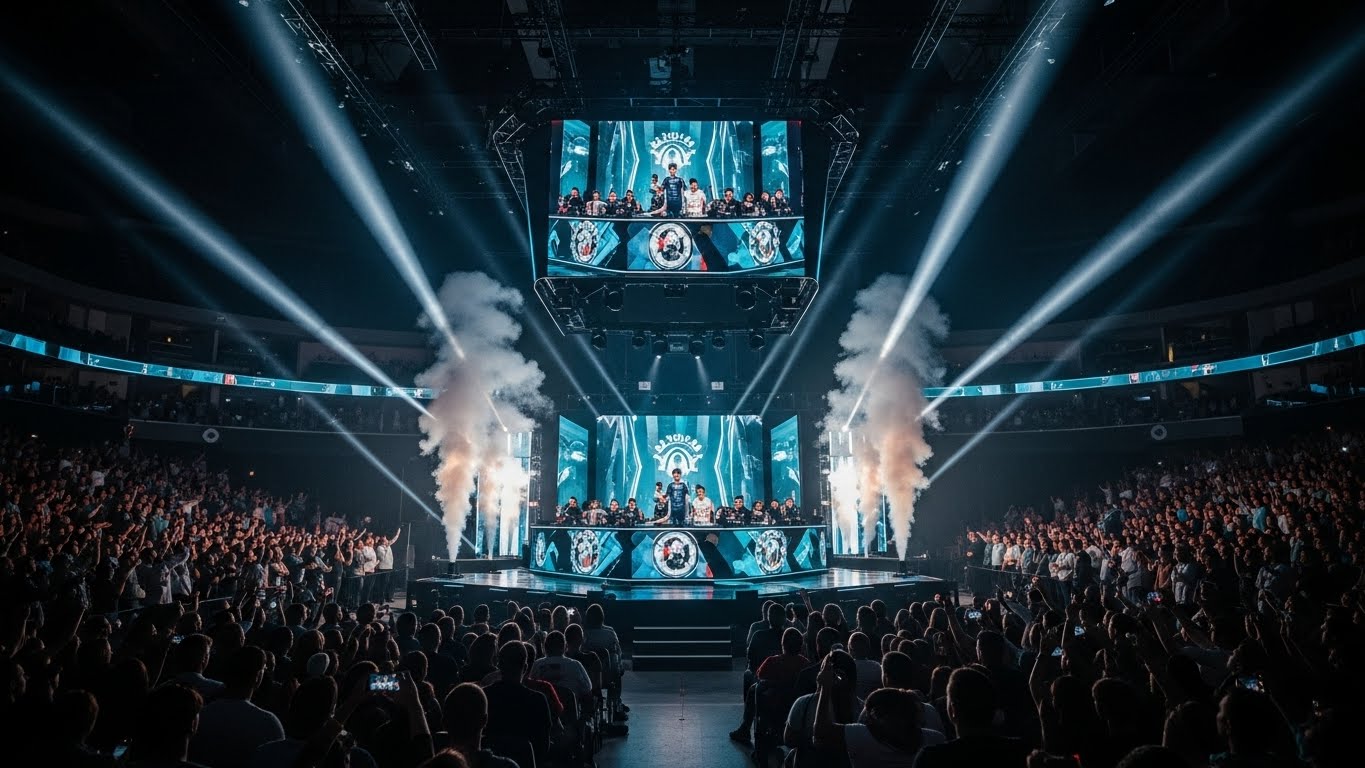
Esports has transformed global culture. It has redefined competition, entertainment, and community engagement. Live tournaments, gaming conventions, and online events now serve as cultural gatherings, blending cosplay, music, and technology with competitive play.
Esports also fosters international connections. Players and fans from around the world collaborate and compete, breaking down geographical and cultural barriers. This global exchange promotes camaraderie and mutual understanding, highlighting the unique cultural power of esports.
The Future of Esports
The future of esports is poised for further growth and innovation. Emerging technologies like virtual reality, augmented reality, and artificial intelligence could redefine gameplay and spectator experiences. These advancements may introduce new competitive formats, immersive viewing, and unique gaming experiences.
Integration with traditional sports is likely to expand. Professional sports teams are increasingly investing in esports franchises, creating cross-industry collaboration opportunities. Educational programs continue to grow, preparing the next generation of players, coaches, and industry professionals.
As esports gains recognition as a legitimate sport and career path, its influence on society, culture, and technology will continue to expand. The industry is likely to redefine competition, entertainment, and community in the 21st century.
Conclusion: Esports as a Global Movement
Esports is more than just playing video games; it is a global phenomenon that blends competition, culture, and commerce. From its humble beginnings in arcades and dorm rooms, esports has evolved into a professional, worldwide industry with millions of fans and players.
Its growth is fueled by passionate participants, dedicated fans, technological innovation, and supportive infrastructure. While challenges exist, the momentum of esports is undeniable. As technology and society continue to evolve, esports will remain at the forefront of entertainment, innovation, and global connection.
Esports has proven that competition and community can thrive in digital spaces, establishing itself as one of the defining cultural movements of the modern era.