arenabattle49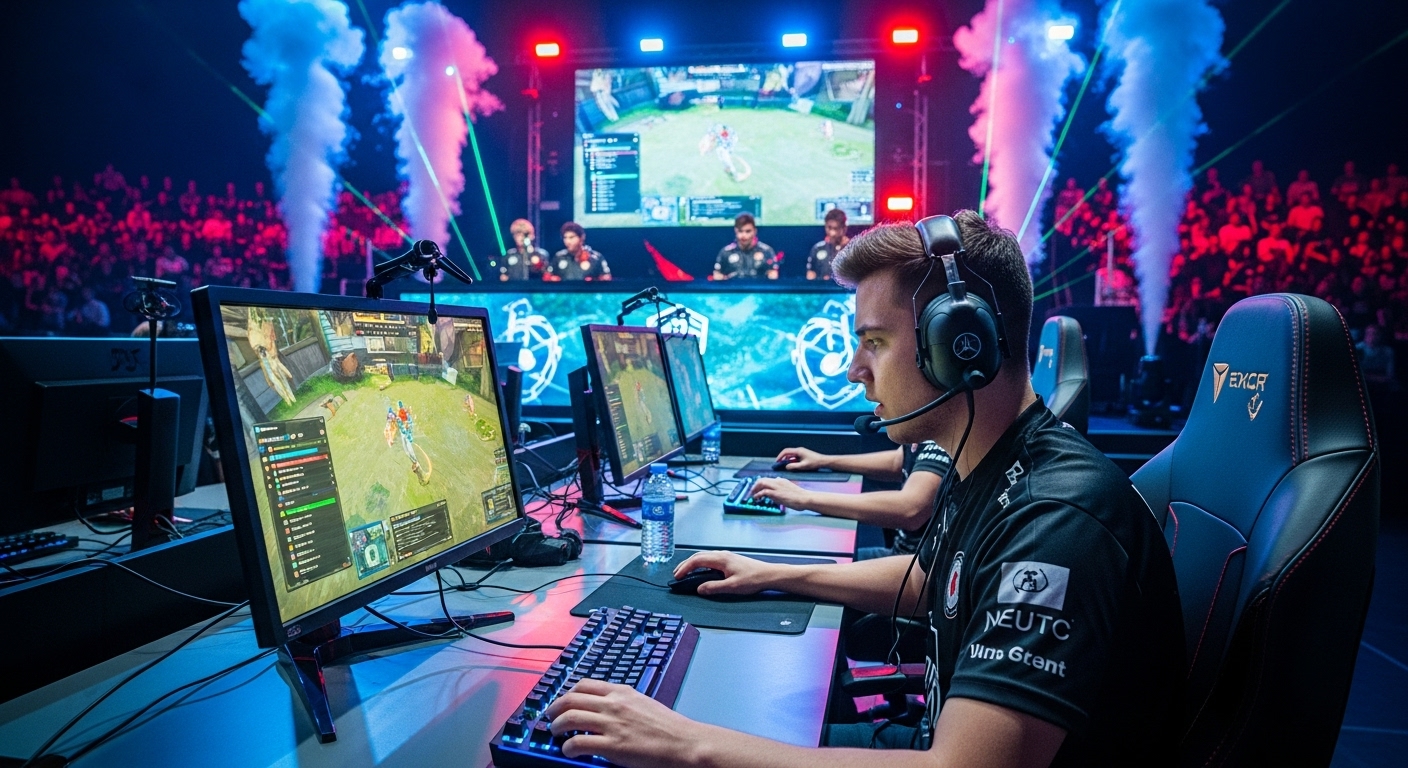
Esports, or electronic sports, has transformed competitive gaming from a niche hobby into a global phenomenon. What began as casual gameplay in arcades and internet cafes has now evolved into a multi-billion-dollar industry, with professional teams, international tournaments, and millions of spectators worldwide. Esports is more than just playing games; it is a combination of strategy, skill, teamwork, and entertainment that has captured the imagination of an entire generation.
The Early Days of Esports
The roots of esports can be traced back to the 1970s and 1980s when gaming first emerged as a competitive activity. The earliest known video game competition took place in 1972 at Stanford University, where students competed in the game Spacewar. By the 1980s, arcade games like Pac-Man and Donkey Kong had created competitive communities, with high-score competitions becoming the norm.
With the rise of home consoles and personal computers, competitive gaming started to spread beyond arcades. Early multiplayer games, such as Street Fighter and Warcraft, introduced new levels of competition, requiring players to develop both strategic thinking and fast reflexes. These grassroots competitions set the stage for professional esports in the decades to come.
The Professionalization of Esports
The 2000s marked a turning point for esports, driven by advances in internet technology and global connectivity. Multiplayer online games allowed players from different countries to compete in real time, creating new opportunities for organized tournaments. South Korea emerged as a pioneer in professional esports, particularly with games like StarCraft, where televised leagues and sponsorship deals helped elevate gaming to mainstream status.
Streaming platforms, including Twitch and YouTube Gaming, further accelerated esports’ growth by connecting players and fans worldwide. Professional organizations, structured teams, and competitive leagues began to emerge, creating a formal ecosystem similar to traditional sports. Players could now pursue gaming as a career, complete with salaries, sponsorships, and international recognition.
Popular Esports Genres
Esports encompasses a variety of game genres, each with its own competitive ecosystem. Multiplayer online battle arena (MOBA) games, such as League of Legends and Dota 2, dominate the esports landscape with large tournaments and highly strategic gameplay. First-person shooters (FPS), including Counter-Strike: Global Offensive and Valorant, emphasize precision, reflexes, and team coordination.
Real-time strategy (RTS) games, fighting games, and sports simulation games, like FIFA and NBA 2K, also have thriving competitive scenes. Each genre requires unique skills and attracts distinct audiences, contributing to the diversity and reach of esports globally.
Esports Tournaments and Events
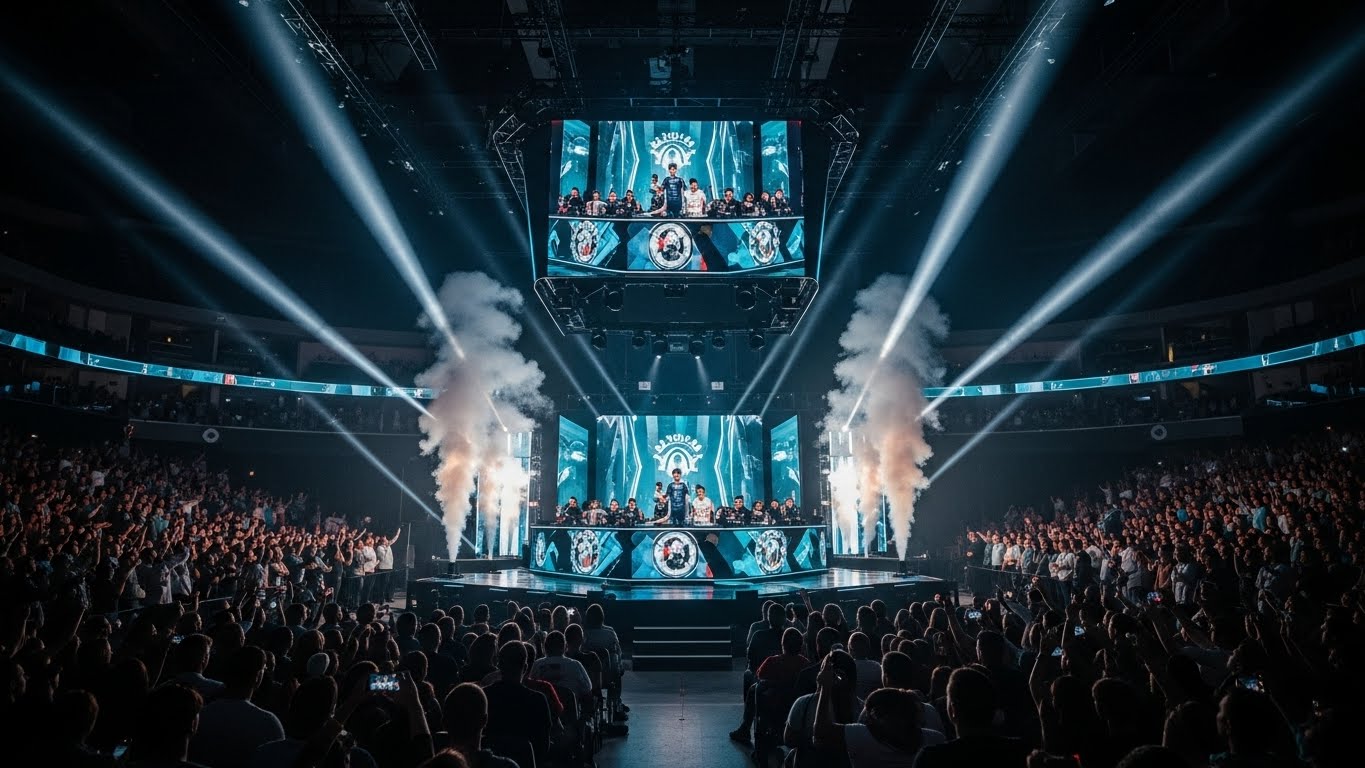
Tournaments are the lifeblood of esports. They provide a stage for professional players to demonstrate skill, strategy, and teamwork while offering prize money, sponsorship exposure, and global recognition. Major tournaments, such as The International for Dota 2, the League of Legends World Championship, and the Fortnite World Cup, attract millions of viewers worldwide and feature prize pools that often reach millions of dollars.
Esports events are broadcast with professional commentary, known as casting, to enhance the viewer experience. Fans can follow the action live, interact through chat, and even attend in-person events. The spectacle and excitement of tournaments have turned esports into a mainstream entertainment industry that rivals traditional sports.
Esports Teams and Organizations
Professional esports teams are structured similarly to traditional sports teams. They include players, coaches, analysts, managers, and support staff who work together to achieve competitive success. Prominent organizations, such as T1, Cloud9, Team Liquid, and Fnatic, operate multiple teams across various game titles, emphasizing talent development, training, and branding.
Sponsorships play a critical role in team sustainability, with partnerships from technology companies, apparel brands, and energy drinks providing financial support. These organizations have helped elevate esports to a professional standard, offering players a legitimate career path and recognition as athletes in the digital arena.
The Role of Streaming and Content Creation
Streaming platforms have been crucial to the growth of esports. Platforms like Twitch, YouTube Gaming, and Facebook Gaming allow players to broadcast their gameplay to global audiences in real time. Fans can watch matches, follow favorite players, and engage with communities, creating a participatory entertainment experience.
Professional streamers have also emerged as celebrities, generating revenue through subscriptions, donations, and sponsorships. For esports teams, streaming serves as a marketing tool, helping promote players, merchandise, and partnerships. The combination of competitive play and interactive content has turned esports into a multifaceted entertainment industry.
Esports and Youth Culture
Esports has had a profound impact on youth culture. Many young gamers aspire to become professional players or content creators, dedicating countless hours to practice and skill development. The competitive environment encourages strategic thinking, teamwork, and problem-solving.
Esports communities provide a sense of belonging, where players from different countries can connect over shared interests. Gaming peripherals, merchandise, and esports fashion have become integral parts of youth culture, influencing lifestyle trends and social identity. Esports has emerged as both a passion and a cultural phenomenon for the younger generation.
Economic Impact of Esports
The esports industry has grown into a multi-billion-dollar market. Revenue streams include sponsorships, advertising, media rights, merchandise, and ticket sales. Brands recognize the value of engaging with esports audiences, who are often young, tech-savvy, and highly engaged.
Esports events stimulate economic activity through tourism, broadcasting, and local business engagement. They also create jobs in management, marketing, broadcasting, coaching, and event organization. The industry’s financial growth reflects its influence and potential, positioning esports as a major contributor to the global economy.
Esports in Education
Esports is making its way into education as well. Schools and universities around the world now offer esports programs, scholarships, and competitive leagues. Collegiate esports provide structured training, team management, and opportunities to compete on a professional level.
These programs promote skills beyond gaming, including leadership, strategic thinking, teamwork, and communication. Integrating esports into education helps normalize competitive gaming as a legitimate pursuit and offers students an alternative path to personal and professional development.
Global Reach of Esports
Esports is a global phenomenon, with competitive scenes thriving in South Korea, China, North America, Europe, and Southeast Asia. Online platforms allow fans from around the world to watch live tournaments, follow players, and participate in esports communities.
International tournaments showcase the diversity of talent and foster cross-cultural engagement. Esports transcends geographic and linguistic boundaries, uniting players and fans through shared passion and competition. Its worldwide reach continues to grow, solidifying esports as a major force in digital entertainment.
Challenges Facing Esports
Despite its rapid growth, esports faces challenges. Player burnout is common due to long practice hours, travel schedules, and intense competition. Maintaining physical and mental health is critical for long-term success.
Regulation and governance are also ongoing challenges. Unlike traditional sports, esports lacks standardized rules across games and regions. Issues such as cheating, match-fixing, and harassment must be addressed to maintain integrity. Ensuring fair compensation for players and sustainable career paths remains a key concern for the industry.
Technology and the Future of Esports
Technology continues to shape the future of esports. Advances in virtual reality, augmented reality, and artificial intelligence could revolutionize gameplay, training, and spectator experiences. VR and AR tournaments may provide immersive competition, while AI can assist in strategy development and performance analysis.
The integration of esports with traditional sports and mainstream media is also on the rise. Collaborations between gaming companies, broadcasters, and sports organizations are expanding esports’ reach and influence. As technology advances, the esports ecosystem is likely to become even more diverse, interactive, and engaging.
Esports and Society
Esports is more than a form of entertainment; it is a cultural movement. It challenges traditional notions of sports, redefining athleticism to include mental agility, strategic thinking, and reflexes. Esports fosters global communities, connects diverse audiences, and inspires innovation in technology and media.
It also promotes inclusivity, providing opportunities for players from various backgrounds to compete at elite levels. Esports encourages creativity, teamwork, and critical thinking, demonstrating the broader societal impact of digital competition.
Conclusion: The Rise of Esports as a Mainstream Industry
Esports has evolved from small local competitions to a global, professional industry. Its influence spans culture, education, technology, and the economy. With professional teams, large-scale tournaments, and a dedicated fan base, esports is no longer a niche pastime—it is a legitimate form of sport and entertainment.
The digital arena of esports continues to grow, offering opportunities for players, fans, and businesses worldwide. Its future promises innovation, inclusivity, and excitement, as technology and creativity continue to drive the industry forward. Esports is not just a game; it is a cultural phenomenon that is shaping the way we compete, connect, and entertain in the 21st century.