arenabattle49
Introduction
eSports has emerged as one of the most exciting and rapidly growing forms of entertainment in the digital age. Unlike traditional sports, eSports takes place in virtual arenas where skill, strategy, and teamwork determine victory. Millions of players and fans around the world participate in and follow these competitions, making eSports a global phenomenon that is shaping the future of competitive entertainment.
The Evolution of eSports
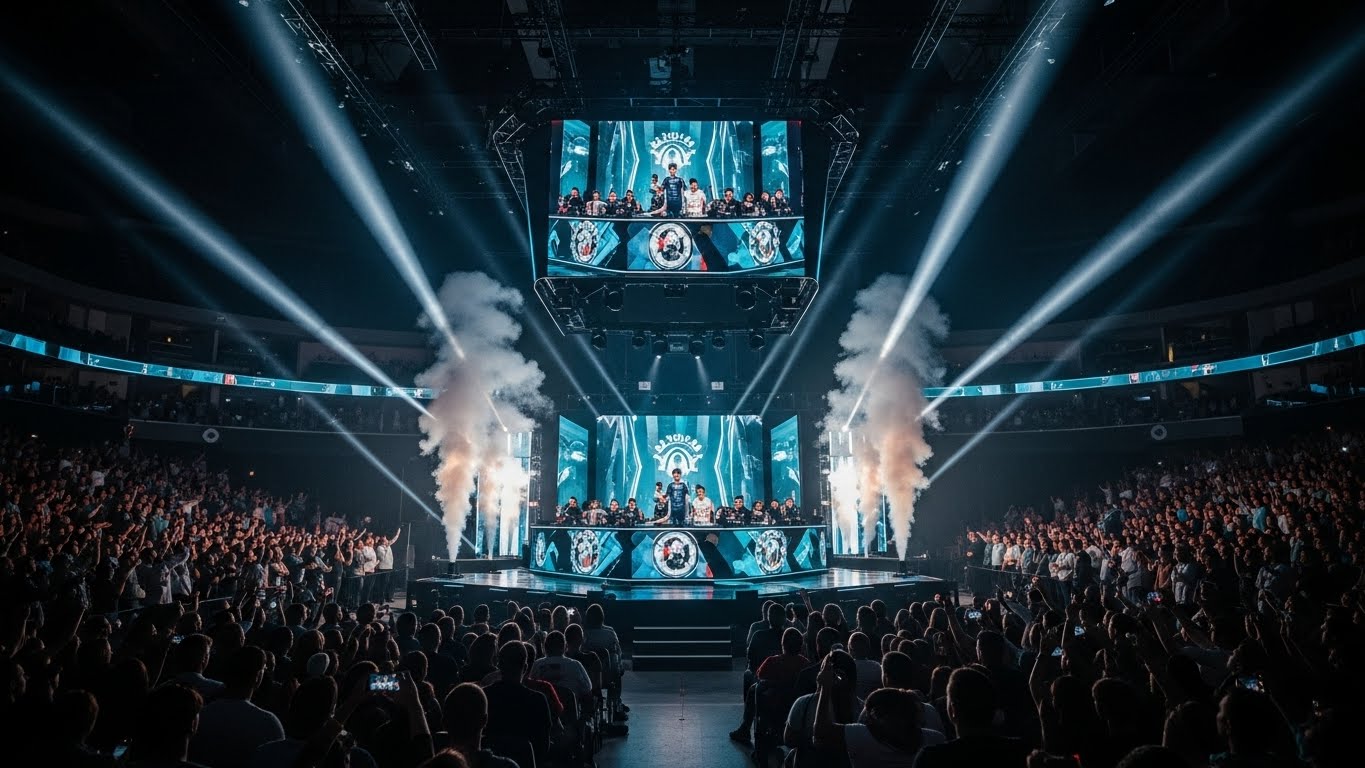
eSports started as small-scale competitions among enthusiasts of games like StarCraft, Counter-Strike, and Dota. With the rise of high-speed internet, streaming platforms, and gaming technology, eSports quickly evolved into a professional industry. Today, global tournaments attract massive audiences, professional teams are sponsored by major brands, and prize pools reach millions of dollars, proving that competitive gaming is here to stay.
Skill, Strategy, and Dedication
Success in eSports requires more than just playing a game. Professional players spend countless hours practicing mechanics, refining strategies, and improving teamwork. Reflexes, critical thinking, and adaptability are essential for competing at the highest level. These games demand both mental and physical stamina, showing that eSports athletes are as dedicated and disciplined as traditional sports players.
Technology Driving eSports
Technology is at the heart of eSports. High-performance computers, gaming consoles, virtual reality systems, and fast internet connections make competitive gaming possible. Advanced software, live streaming platforms, and analytics tools enhance both player performance and viewer experience. Technology not only enables global competitions but also creates interactive and immersive experiences for fans around the world.
Community and Social Connection
eSports has built a strong sense of community. Online multiplayer games allow players to connect, collaborate, and compete with people from different countries. Fans follow their favorite teams, interact on streaming platforms, and even organize local tournaments. The social aspect of eSports strengthens global connections and fosters a sense of belonging among players and audiences alike.
Career Opportunities in eSports
The eSports industry offers a wide range of career paths beyond professional play. Coaches, analysts, commentators, event organizers, content creators, and marketers all contribute to the ecosystem. Sponsorships, media coverage, and brand partnerships provide additional opportunities for growth. eSports has transformed gaming into a viable career for millions, inspiring young players to pursue their passion professionally.
The Future of eSports
The future of eSports looks brighter than ever. Virtual reality, augmented reality, and AI-driven gaming will create even more immersive competitions. Global tournaments will continue to expand, attracting larger audiences and higher investments. eSports will not only entertain but also influence technology, education, and even social interaction, solidifying its place as a key part of modern culture.
Conclusion
eSports is more than just competitive gaming; it is a cultural revolution. By combining skill, strategy, technology, and community, eSports has created a new form of entertainment that rivals traditional sports. As the industry grows, it will continue to inspire players, connect people worldwide, and redefine what it means to compete in the digital era.