
 arenabattle49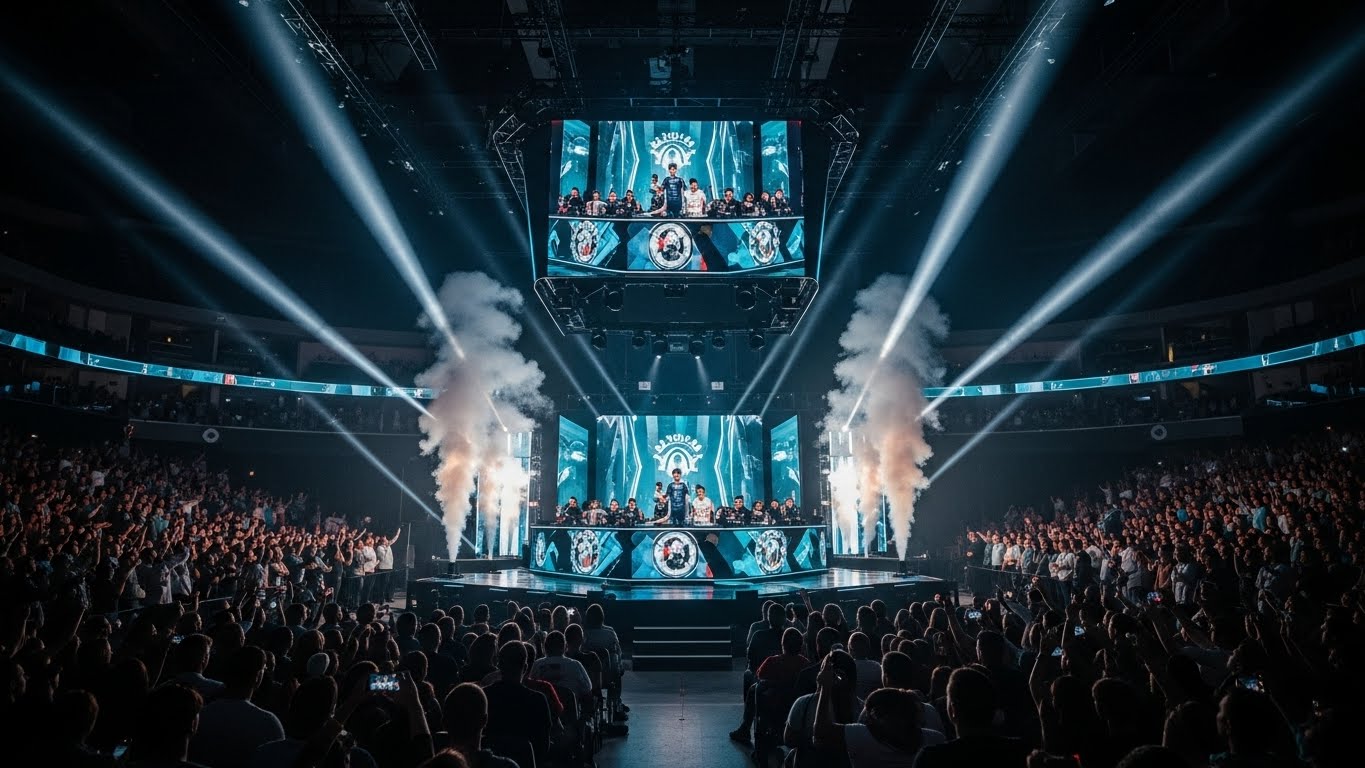
Esports has transformed from a niche hobby into a global phenomenon, captivating millions of fans and creating lucrative career opportunities for professional gamers. What began as casual competitions among friends has evolved into a multi-billion-dollar industry with international tournaments, franchised leagues, and massive audiences. This blog explores the rise of esports, its impact on culture, the technology behind it, and the future of competitive gaming.
The Origins of Esports: From Arcades to Online Arenas
The roots of esports can be traced back to the late 1970s and 1980s, when video games first gained popularity in arcades. Early competitive gaming tournaments, such as Space Invaders competitions, were primarily local events with small communities of enthusiasts. The 1990s brought the rise of PC gaming and the Internet, allowing players from different regions to compete online, laying the foundation for modern esports.
Games like StarCraft, Counter-Strike, and Warcraft II became early pillars of competitive gaming, offering both strategy and skill-based challenges that attracted dedicated fanbases. By the early 2000s, esports had grown into a recognizable industry in South Korea, where professional gamers competed in televised tournaments, earning fame and sponsorships. This period marked a significant turning point, proving that competitive gaming could be a legitimate career path.
The Explosion of Esports: Global Recognition
Esports truly gained global traction in the 2010s, with the rise of streaming platforms and international tournaments. Titles like League of Legends, Dota 2, and Overwatch brought esports into mainstream consciousness. Multi-million-dollar prize pools, live broadcasts to millions of viewers, and high-profile sponsorships from tech and lifestyle brands solidified esports as a legitimate form of entertainment.
One of the key factors driving esports’ growth is accessibility. Unlike traditional sports that require physical facilities, esports can be played and watched online, allowing a global audience to participate. Tournaments are now held in massive arenas, with professional players signed to teams and leagues that operate much like traditional sports franchises. This professionalization has helped esports gain legitimacy and attract mainstream media attention.
The Technology Behind Esports
The growth of esports is closely tied to technological advancements. High-speed internet, powerful gaming PCs, consoles, and streaming platforms have all contributed to the rise of competitive gaming. Live streaming platforms allow fans to watch tournaments in real-time, interact with commentators, and support their favorite players and teams through subscriptions and donations.
Game development technology has also played a crucial role. Developers create balanced, competitive games that are constantly updated to maintain fairness and excitement. Features like spectator modes, replay systems, and online matchmaking are specifically designed to enhance the competitive experience. This synergy between gaming technology and broadcasting has made esports a fully immersive form of entertainment.
The Business of Esports: Sponsorships, Merchandising, and Media Rights
Esports is no longer just about playing games; it is a thriving business ecosystem. Professional teams generate revenue through sponsorships, advertising, merchandise sales, and tournament winnings. Companies recognize the marketing potential of esports, targeting a young, tech-savvy demographic that traditional sports often struggle to reach.
Media rights deals have also become a significant revenue stream. Streaming platforms and broadcasters pay for exclusive rights to air tournaments, while social media platforms provide additional exposure and fan engagement. The commercial growth of esports has created a sustainable industry that supports players, coaches, analysts, and content creators, creating career opportunities across multiple disciplines.
Cultural Impact: Esports as a Social Phenomenon
Esports is more than just a game; it has become a cultural force influencing fashion, music, and social interaction. Professional gamers are now celebrities, with fan followings rivaling traditional sports stars. Cosplay, fan art, and gaming conventions celebrate esports culture, creating communities that transcend geographic boundaries.
The social aspect of esports is particularly notable. Online multiplayer games encourage teamwork, communication, and strategic thinking, fostering friendships and collaborative skills. Esports communities provide a sense of belonging, allowing fans to connect over shared interests and experiences. This cultural influence extends beyond gaming, impacting mainstream media, fashion trends, and youth culture worldwide.
The Challenges of Esports: Health, Burnout, and Regulation
Despite its growth, esports faces several challenges. One major concern is the health of professional players. Long hours of practice, high levels of stress, and sedentary lifestyles can lead to physical and mental health issues, including repetitive strain injuries, eye strain, and anxiety. Organizations are beginning to address these concerns with structured training schedules, fitness programs, and mental health support.
Another challenge is regulation. The competitive nature of esports raises questions about fair play, cheating, and doping. Game developers, tournament organizers, and governing bodies must work together to maintain integrity, ensuring that competitions are conducted fairly and transparently. Additionally, the esports industry faces challenges related to labor rights, contract negotiations, and career longevity for players.
Women in Esports: Breaking Barriers
Esports has historically been male-dominated, but the landscape is changing. Female gamers are increasingly making their mark, competing at high levels and gaining recognition in professional leagues. Initiatives to promote gender diversity and inclusion are creating opportunities for women in competitive gaming, casting, and content creation.
Representation matters in esports. As more women enter the industry, the community becomes more inclusive and welcoming. This shift not only benefits female players but also enriches the industry as a whole, fostering diverse perspectives, innovative gameplay strategies, and broader fan engagement.
The Future of Esports: Innovation and Expansion
The future of esports promises even greater innovation. Emerging technologies such as virtual reality and augmented reality may redefine how games are played and watched. VR esports could create fully immersive competitive experiences, while AR may integrate esports into everyday environments. Artificial intelligence may also enhance game design, coaching, and broadcasting, making competitions more engaging and accessible.
Global expansion is another key trend. Esports is rapidly growing in regions like South America, Southeast Asia, and Africa, where gaming communities are thriving. As infrastructure improves and mobile gaming becomes more prevalent, esports will continue to reach new audiences, creating opportunities for regional tournaments, grassroots leagues, and international competitions.
Education and Career Opportunities in Esports
Esports is no longer limited to playing professionally. Educational institutions are beginning to recognize the industry, offering courses, scholarships, and degree programs focused on game design, esports management, and broadcasting. Careers in esports extend beyond players to roles such as coaches, analysts, event organizers, marketers, and content creators.
This professionalization highlights esports as a viable career path, offering long-term opportunities for individuals passionate about gaming. With the industry continuing to grow, skills developed in esports—such as strategic thinking, teamwork, and communication—are increasingly transferable to other sectors.
Conclusion: Esports as a Cultural and Economic Force
Esports has evolved from humble beginnings into a global cultural and economic powerhouse. It represents a convergence of technology, entertainment, and community, offering experiences that traditional sports cannot replicate. While challenges remain, the industry continues to innovate, expand, and inspire millions of players and fans worldwide.
As esports grows, it will redefine what it means to compete, connect, and entertain in the digital age. By embracing inclusivity, health-conscious practices, and technological innovation, esports will continue to thrive, shaping a future where competitive gaming is a legitimate, celebrated, and influential part of modern culture. The revolution is ongoing, and the world of esports is just getting started.


