arenabattle49
Introduction: The Digital Frontier of Competition
In the last two decades, the entertainment landscape has shifted dramatically. Traditional sports like football, basketball, and tennis once dominated global attention, but a new form of competition has emerged—esports, or competitive video gaming. Esports is no longer a hobby reserved for teenagers or casual gamers; it is a cultural, economic, and professional phenomenon.
Esports blends mental agility, strategy, teamwork, and reflexes to create high-stakes competition that rivals physical sports. Players compete for prize money, sponsorship deals, and international recognition. Fans flock to stadiums, follow live streams, and engage with esports communities across the globe. This blog delves into the history, growth, challenges, and future of esports, exploring how it evolved into a global powerhouse.
The Origins of Competitive Gaming
The roots of esports can be traced back to the early 1970s. In 1972, students at Stanford University organized one of the first recorded video game competitions with the game Spacewar!. The winner received a subscription to a magazine, but the event set the stage for organized competition in gaming.
The 1980s marked the rise of arcade culture. Games like Pac-Man, Donkey Kong, and Tetris introduced high-score competitions, fostering rivalry and community. Arcades became social hubs where players could demonstrate skill and earn recognition among peers.
During the 1990s, personal computers and home consoles transformed competitive gaming. Multiplayer titles such as Doom, Quake, and Warcraft allowed gamers to connect over local networks, eventually expanding to the early internet. These developments laid the groundwork for professional esports as we know it today.
The Internet Era: Globalizing Competitive Play
The late 1990s and early 2000s brought widespread internet access, enabling real-time competition across continents. This connectivity transformed gaming from a local pastime into a global activity.
South Korea became the epicenter of professional esports. Its advanced internet infrastructure and enthusiastic gaming culture led to televised tournaments, professional leagues, and dedicated team houses where players trained full-time. Gamers became celebrities, drawing sponsorship deals and mainstream media attention.
As esports spread globally, tournaments expanded, and prize pools increased. Online platforms enabled international competitions, turning casual players into professional athletes and casual viewers into dedicated fans.
Genres That Defined Esports
Esports is diverse, encompassing multiple gaming genres that appeal to different audiences.
First-Person Shooters (FPS)
FPS games like Counter-Strike: Global Offensive, Call of Duty, and Overwatch require precision, reflexes, and strategic teamwork. FPS tournaments are among the most popular esports events, attracting millions of viewers online and in live arenas.
Multiplayer Online Battle Arenas (MOBA)
MOBA games such as League of Legends and Dota 2 emphasize teamwork, strategy, and resource management. International tournaments like The International and the League of Legends World Championship feature multi-million-dollar prize pools and draw massive global audiences.
Battle Royale Games
Games such as Fortnite and PUBG combine survival mechanics with high-stakes competition. Their dynamic gameplay and accessibility have made them especially appealing to younger audiences and mainstream culture.
Sports Simulation Games
Titles like FIFA, NBA 2K, and Rocket League replicate traditional sports in a digital environment. Players leverage both real-world knowledge and virtual skill to compete at a professional level.
Fighting Games
Fighting games like Street Fighter, Tekken, and Super Smash Bros. emphasize individual skill, timing, and strategy. One-on-one competitions highlight reflexes and mental agility, attracting dedicated fans and competitive communities worldwide.
The Life of a Professional Esports Player
Professional esports is a full-time commitment. Players often begin their careers as teenagers, dedicating countless hours to practice, analysis, and skill refinement. Teams operate similarly to traditional sports organizations, employing coaches, managers, nutritionists, and psychologists to optimize performance.
Daily routines include structured practice sessions, scrimmages, strategy meetings, and physical fitness exercises to maintain both mental and physical health. Communication, adaptability, and teamwork are critical in high-pressure competitive scenarios.
Top players earn income through tournament winnings, salaries, sponsorships, and streaming revenue. Their influence extends beyond the game, shaping fan culture, merchandising, and even media content.
The Economics of Esports
Esports has become a billion-dollar industry with diverse revenue streams. Sponsorships, media rights, merchandise, ticket sales, and in-game purchases drive economic growth. Global brands sponsor events and teams, recognizing esports as a gateway to younger, digitally engaged audiences.
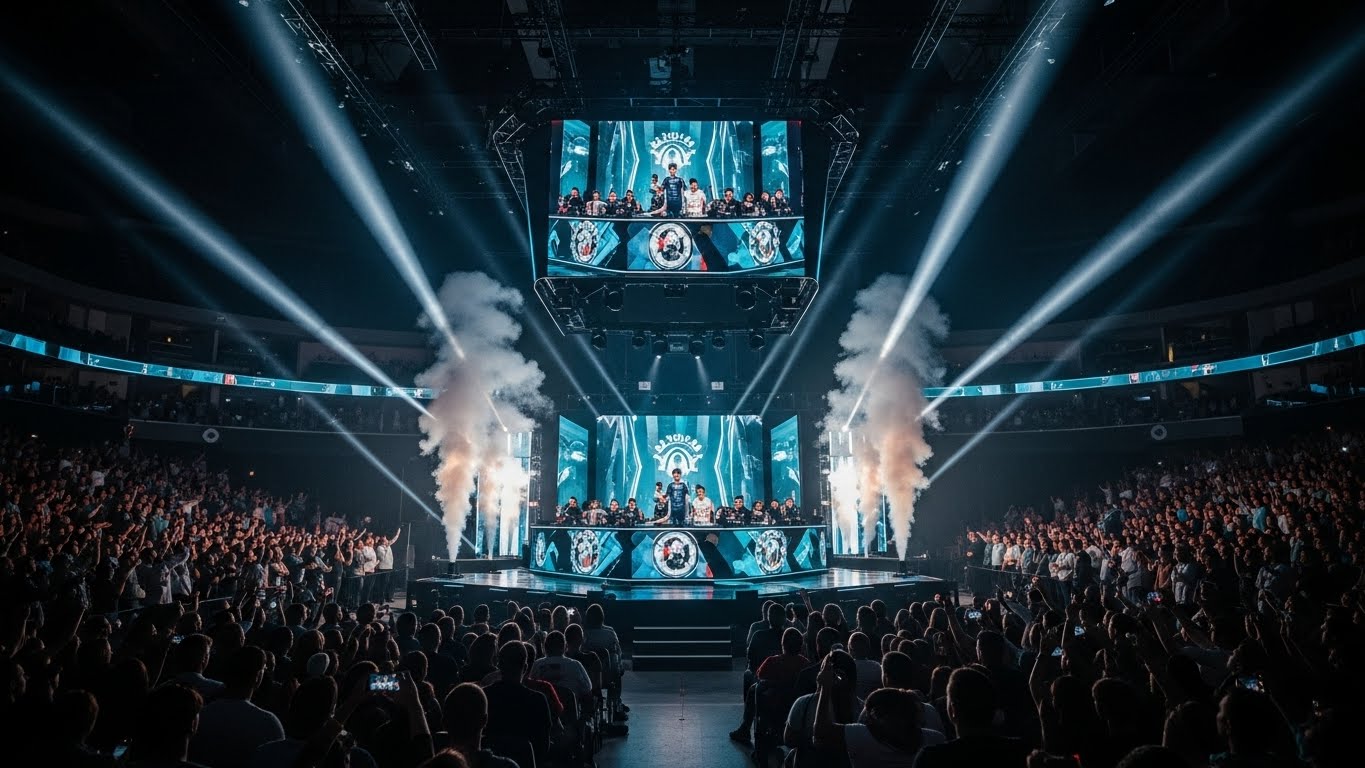
Tournaments rival traditional sports events in production value, featuring professional commentators, elaborate stages, and live audiences. Organizations operate like sports franchises, managing brand identity, fan engagement, and player contracts.
The economic impact extends beyond professional players, creating jobs in event management, broadcasting, marketing, game development, and content creation.
Streaming and Fan Engagement
Streaming platforms such as Twitch and YouTube Gaming have revolutionized esports by enabling global access to live events. Fans interact with players, participate in communities, and watch competitions in real-time.
Streaming also offers alternative career opportunities. Amateur players can build followings, monetize their content, and gain recognition, broadening esports’ reach and fostering community engagement.
Esports in Education
Educational institutions increasingly recognize esports as both an academic and extracurricular pursuit. Colleges and universities offer scholarships, competitive teams, and academic programs in game design, digital media, and esports management.
Participation fosters skills such as teamwork, leadership, strategic thinking, and communication. Schools act as incubators for future professional players, coaches, and industry professionals, bridging the gap between casual gaming and professional esports careers.
Mental and Physical Health in Esports
Esports demands intense focus and stamina. Long practice hours and competitive stress can lead to burnout and mental fatigue. Professional organizations increasingly provide mental health support, including counseling and mindfulness programs.
Physical health is equally important. Extended gaming sessions may cause repetitive strain injuries, eye strain, and posture issues. Maintaining proper ergonomics, regular exercise, and a balanced diet is essential for player longevity and performance.
Global Cultural Impact
Esports has become a cultural phenomenon influencing fashion, music, entertainment, and technology. Major tournaments attract international audiences and elevate gaming to a mainstream entertainment form.
Countries like South Korea, China, and the United States have integrated esports into national culture. Global tournaments unite diverse communities, transcending language and geography, and creating a sense of shared identity among fans.
Challenges Facing Esports
Despite rapid growth, esports faces significant challenges:
Regulation and Standardization
Lack of a unified governing body results in inconsistent rules, tournament structures, and contract practices. This can lead to disputes and unethical practices.
Player Burnout
High-intensity schedules and pressure can shorten careers, emphasizing the importance of mental health and structured routines.
Inclusivity and Diversity
While progress has been made, gender representation and community inclusivity remain areas for improvement. Promoting diversity is crucial for long-term growth.
Financial Sustainability
Top-tier organizations thrive financially, but smaller teams often struggle to survive. Sustainable business models are essential for the industry’s health.
The Role of Technology in Esports
Technology underpins every aspect of esports. High-performance computers, low-latency networks, streaming platforms, and gaming peripherals enable competitive play.
Emerging technologies like virtual reality, augmented reality, cloud gaming, and artificial intelligence are transforming the esports experience. AI can analyze gameplay, optimize strategies, and assist tournament management, while VR and AR create immersive viewing and playing experiences.
The Future of Esports
The future of esports is bright. Technological innovation, mainstream recognition, and increased investment suggest continued growth. Esports may become part of global sporting events, including the Olympics, due to its skill, discipline, and international appeal.
Hybrid events combining digital and physical participation will likely become more common. Education, media, and entertainment integration will ensure esports continues shaping culture, technology, and global engagement for decades.
Conclusion: Esports as a Global Phenomenon
Esports has redefined competition, entertainment, and career opportunities in the digital age. From humble arcade beginnings to packed stadiums and millions of online viewers, esports has grown into a professional and cultural powerhouse.
For players, esports provides careers, recognition, and influence. For fans, it offers excitement, engagement, and community. For the global economy, it drives innovation, creates jobs, and generates revenue.
Esports is no longer a niche hobby. It is a global phenomenon demonstrating that skill, strategy, and passion can transcend traditional boundaries and unite people worldwide.