arenabattle49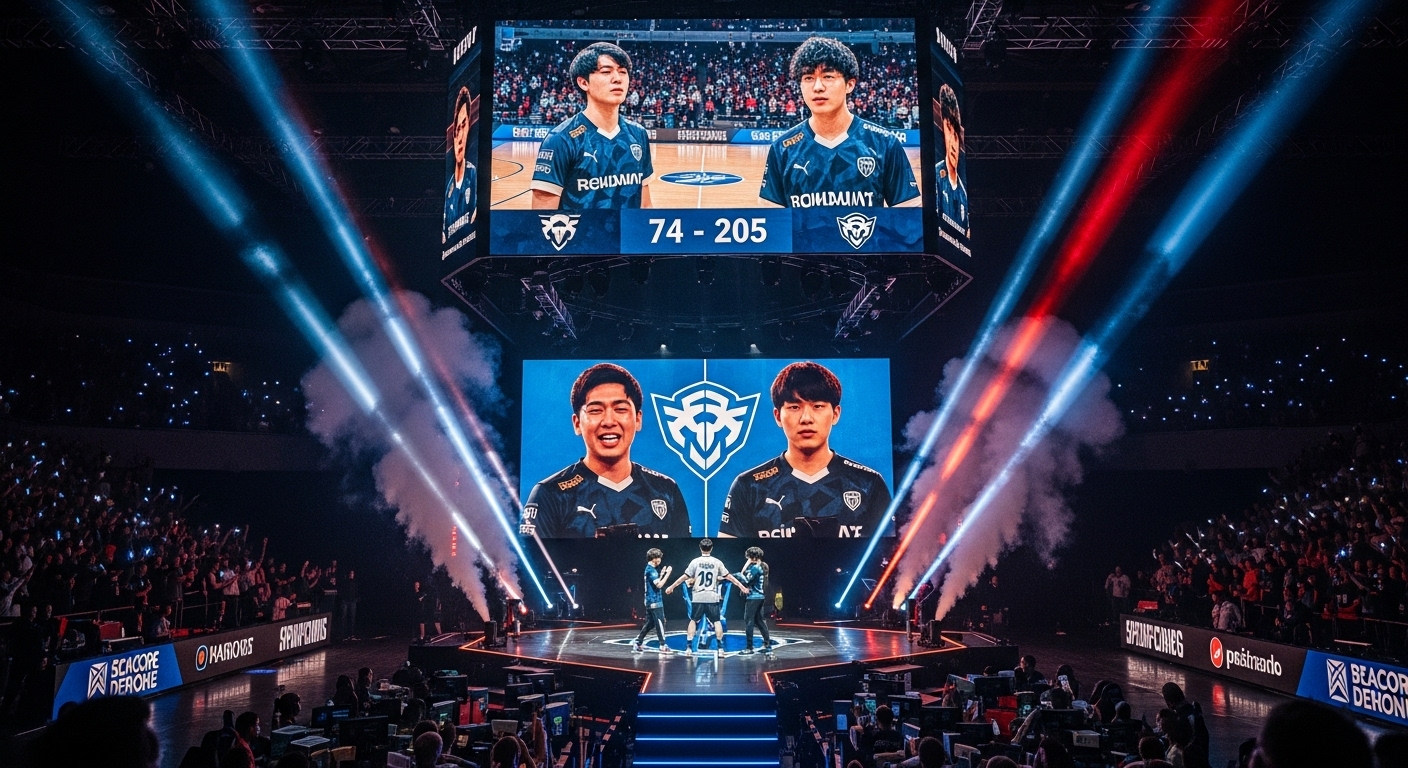
Introduction
The world of esports has evolved from niche communities playing in cramped basements to a global phenomenon with stadium‑scale events, multi‑million dollar team franchises, and youth who dream of becoming professional gamers. Esports today is not just about competition; it is deeply interwoven into youth culture, influencing how young people play, interact, learn, and perceive careers and identity. In this post, we will explore how esports shapes youth culture, the forces building the next generation of gamers, the opportunities and challenges this presents, and how parents, educators, and society can engage with this growing movement responsibly and productively.
The Rise of Esports Among Youth
Esports has grown at an exponential rate over the past decade. Advances in technology, internet accessibility, and streaming platforms have turned competitive gaming from a hobby into an organized and recognized sport. Young people who once played casually with friends are now able to participate in local tournaments, online leagues, and international competitions. The barrier to entry has lowered: a decent computer or game console, internet access, and a popular game are often all that is needed to start.
The proliferation of esports in schools, clubs, and youth programs underscores how mainstream competitive gaming has become. In many places, esports teams are part of high school or college athletics offerings. These teams may have coaches, practice schedules, dedicated spaces, and formal recognition. For many youth, esports signifies more than entertainment; it represents community, skill development, and potential pathways to scholarships and careers.
Identity, Community, and Belonging
For young people, belonging to a community is essential. Esports provides a space where identity merges with interest in gaming. Whether it’s a team name, a clan tag, or simply being part of a fandom around a particular game, youth connect through shared passion. These connections often cross national and cultural boundaries. Through online communities, youth learn teamwork, build social bonds, and express themselves in roles such as player, coach, content creator, strategist, or streamer.
Part of belonging also involves personal growth. Successes and failures in competitive gaming help youth develop resilience. The feeling of contributing to a team, leading efforts, or adapting under pressure contributes to confidence. For many youth who may feel marginalized in more traditional structures, esports offers alternative paths to recognition and success. Diversity in gaming communities is increasing, though challenges remain around inclusion, representation, and online toxicity.
Skill Development: More Than Just Reflexes
Certainly, esports demands fast reflexes, physical coordination, and game sense. But beyond these obvious attributes, it cultivates deeper skills. Strategic thinking, rapid decision‑making, collaboration under pressure, communication, time management, adaptability, and learning from failure are all nurtured in competitive gaming environments.
Preparation for tournaments requires planning, analyzing opponents, reviewing gameplay, optimizing settings and macros, and often collaborating with teammates to devise tactics. Youth who take these roles seriously develop analytical thinking, discipline, and a capacity to self‑critique. These are transferable to academic work, team projects, or future leadership roles.
Moreover, many young gamers combine gaming with streaming or content creation. This introduces skills around branding, public speaking, digital media production, scheduling, and audience engagement. Some youth learn video editing, live broadcasting, social media marketing, and community moderation. The boundary between hobbyist and professional content creator has narrowed, and for ambitious youth, esports can be an avenue to build a portfolio of digital talents.
Cultural Influence: Lifestyle, Consumption, and Trends
Esports has shifted youth lifestyles in noticeable ways. Fashion, language, music, and entertainment are influenced by gaming culture. Branded esports jerseys, hardware gear like gaming mice and headphones, and custom peripherals are fashion statements and markers of identity. Youth follow pros, streamers, and influencers whose style, speech, and opinions resonate deeply. Gaming slang and memes enter everyday speech, either offline among peers or in online chats and social media.
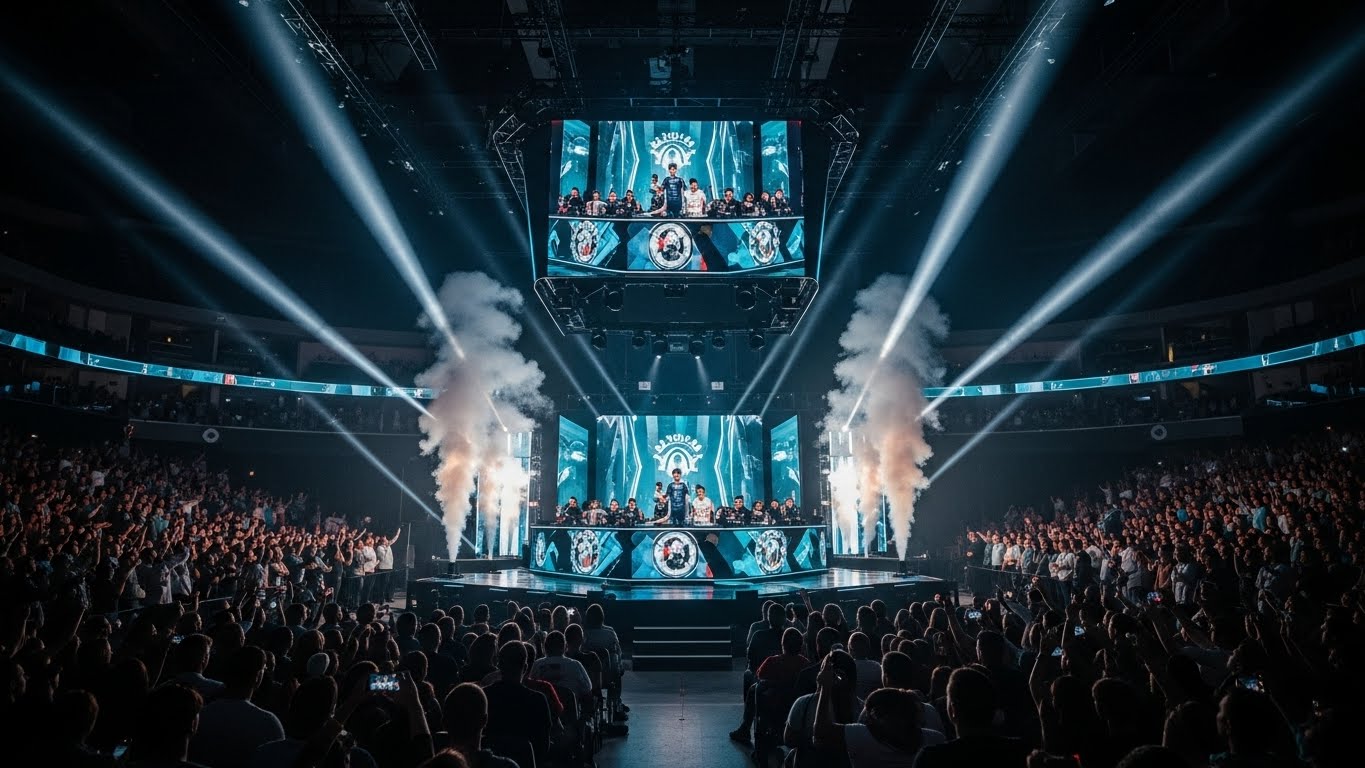
Media consumption has also adapted. Live‑streaming platforms where gamers broadcast gameplay attract millions of viewers among youth. Watching others play, learning new strategies, or simply being entertained becomes part of daily routine. Events like esports tournaments fill arenas and draw audiences similar to traditional sports. Youth attend with friends, cheer, volunteer, cosplay, and celebrate gaming not only as competition but as festival and spectacle.
Gaming also influences creative output—modding games, designing fan art, composing music, writing narratives or lore expansions. Youth engage with participatory culture; they are not merely consumers but co‑creators.
Health, Balance, and Well‑Being
An often‑discussed concern is how intense gaming and esports environments affect physical and mental health. Long hours at screens, irregular sleep patterns, and physical strain are real issues. These concerns are especially sharp for youth who may not yet have developed routines for self‑care or who may prioritize gaming over physical activity or proper rest.
However, many esports organizations, schools, and youth programs are increasingly aware of these risks. Structured schedules include warm‑ups, rest breaks, ergonomic setups, physical fitness, mental health support, and guidance on nutrition. Coaches or team leaders often emphasize balanced lifestyles. Communities also share best practices, encouraging moderation, mindfulness, and diversity of activity.
On mental health, while competitive pressure, online toxicity, and burnout are possible negative factors, many youth report that gaming helps with stress relief, social connection, and identity affirmation. Proper support systems, mentors, and safe communities are vital in ensuring that esports contributes positively to well‑being.
Educational Impact and Career Pathways
One of the most compelling opportunities in esports for youth is its potential to serve as a bridge to education and careers. Scholarships for esports are now offered by many universities. Being part of a school team, youth may pursue degrees in game design, audio engineering, broadcast journalism, marketing, computer science, graphic design, or media production. Esports also offers careers directly in coaching, event management, content creation, streaming, shoutcasting, game analysis, and inside esports organizations.
Furthermore, lessons learned through competitive gaming—communication, adaptive thinking, productivity, resilience—are attractive to employers in many fields. Youth who develop digital literacy, creativity, and teamwork skills in esports may find themselves well prepared for jobs in tech, media, business, or creative industries.
Educators are experimenting with integrating esports into curricula. Some programs use gaming to teach strategy, teamwork, technology, coding, or even psychology. Esports becomes a medium for instruction, not just entertainment. Youth may be motivated to learn math or physics when these subjects relate to understanding game mechanics or designing setups. Language skills improve as players often communicate internationally. Cultural literacy expands as youth are exposed to global gaming trends, communities, and ideas.
Infrastructure and Support Systems
The rise of esports among youth depends heavily on infrastructure. Reliable internet access, affordable hardware, supportive community spaces, and knowledgeable mentors are foundational. In urban centers, esports arenas, gaming cafés, school clubs, and community centers provide gathering points and opportunities to compete locally. In regions with fewer resources, obstacles like cost of equipment, connectivity, and lack of awareness can limit participation.
Support systems also include coaches, trainers, health professionals, and mental health advocates. Those who can guide youth in goal setting, time management, and balancing gaming with other life responsibilities play a critical role. Peer support contributes greatly too; youth often learn from one another, share strategies, troubleshoot problems together, and offer emotional encouragement.
Sponsors, game publishers, and local governments can contribute by providing grants, hosting tournaments, subsidizing equipment, and making esports accessible. Partnerships between schools and gaming companies help bring knowledge, legitimacy, and resources. As esports continues growing, the infrastructure must be intentionally designed to support safe, inclusive, sustainable participation.
Challenges and Ethical Considerations
While esports offers promise, there are significant challenges. First, access inequality: socioeconomic factors can limit access to high‑quality hardware, stable internet, or even electricity in some regions. Youth in underserved areas may be excluded or limited in their ability to compete at higher levels.
Second, issues around fairness and integrity: cheating, hacking, or unfair practices can undermine trust. Game publishers must maintain strong oversight and anti‑cheat systems. Youth players must be educated about sportsmanship, fair play, and ethical conduct.
Third, content moderation and online safety: youth are often exposed to toxic behavior, harassment, or inappropriate content. Platforms and communities must enforce respectful behavior and provide safe reporting mechanisms. Youth and parents need awareness of online privacy, cyberbullying, and digital footprint.
Fourth, mental health concerns: pressure to perform, fear of failing, burnout, or overuse of gaming can have negative effects. There is a risk that youth devote huge amounts of time to gaming at the expense of sleep, studies, social interaction, or physical health. It is vital that coaches and guardians help youth maintain balance, encourage alternative interests, set healthy boundaries, and promote self‑care.
Fifth, career instability: even for talented youth, only a small fraction reach professional status. Sponsorships, income streams, and media attention can be volatile. Many esports titles rise and fall in popularity, which can affect job opportunities. It is important for youth to have backup plans, education, and transferable skills.
Building Healthy Esports Culture
To build a robust and healthy esports culture for the next generation, multiple stakeholders must engage in responsible practices.
Parents and guardians should take an interest in what their children do: understand the games, the communities, and the goals. Rather than attempting to ban or overly restrict, constructive conversations around time management, responsibilities, health, and expectations are more beneficial. Offering support, perhaps even participating in some way, fosters trust and guidance.
Educators and schools can integrate esports into curricula and extracurricular programs. Providing structured teams, offering coaching, emphasizing values of sportsmanship, fostering inclusivity, and teaching related technical skills will help youth benefit more from esports. Schools can also partner with local organizations to host tournaments and community events.
Game developers and platform operators must design games and systems with youth safety, fairness, and longevity in mind. That includes anti‑cheat measures, age‑appropriate content, tools for community moderation, and mechanisms for feedback from youth players.
Community groups, nonprofits, sponsors, and government bodies should invest in accessibility: ensure cost is not a prohibitive barrier, provide physical spaces, subsidize equipment or internet access where needed, and foster local scenes that are supportive. Inclusivity across gender, ethnicity, socioeconomic status, and ability is essential so that esports reflects diversity rather than reinforcing inequality.
Success Stories and Role Models
Youth benefit enormously from role models—players, teams, content creators—who demonstrate both excellence and responsibility. Seeing someone who began in a small town, played with limited resources, and rose to compete internationally inspires belief. Role models who speak about their struggles, values, and growth humanize the esports journey and make it accessible.
In many parts of the world, there are examples of youth who have earned scholarships through esports or forged careers in streaming, broadcasting, or supporting roles. These success stories emphasize not just winning tournaments but how discipline, resilience, learning, and community matter. For many young gamers, these figures show that esports can be a legitimate path, not just as dream but as practical aspiration.
The Global Perspective: Differences and Commonalities
Esports youth culture varies across regions. In some countries, gaming is deeply embedded and supported politically and commercially. In others, it is newer, less formal, and may face negative perceptions. Yet, many themes are common: youth seek community, competition, self‑expression, and opportunities.
In countries with good infrastructure and support, youth have access to professional coaching, organized leagues, and exposure. Where infrastructure is weaker, innovative grassroots efforts, mobile gaming, café scenes, and informal networks drive growth. For instance, in rural areas, youth may rely more on mobile games due to cost and access constraints. In urban centers, high‑end PC and console gaming are more common, and physical esports venues are more likely.
Another common thread is the rapid pace of change. Games rise in popularity quickly; communities shift; platforms evolve. Youth adapt to these changes, but this can also mean instability. Fads, trends, and exposure vary. Regardless of location, adaptability, continuous learning, and community connection are assets.
Looking Forward: The Next Decade of Youth and Esports
What will esports and youth culture look like in the coming years? Several trends are likely to shape growth.
First, greater integration with education. More schools may offer esports scholarships, degree programs in esports‑adjacent fields, or curricula that leverage gaming for learning. Esports may become more accepted as a component of school culture, akin to sports or arts.
Second, technological advances will change how youth engage. Virtual reality, augmented reality, improved streaming, cloud gaming, and more accessible hardware will lower barriers and offer immersive new experiences. Cross‑platform play and mobile gaming growth will allow more youth to participate regardless of device.
Third, better regulation and support for youth welfare. As youth involvement increases, demand for mental health support, fair competition, child protection, and online safety will intensify. Standards, codes of conduct, certifications for coaches and leagues may become widespread.
Fourth, expanded career diversity. Beyond players, youth will see more opportunities in esports management, production, broadcasting, coaching, content creation, event operations, and game design. New roles will exist we may not fully anticipate today.
Fifth, inclusion will become a focus. Gender diversity, accessibility for people with disabilities, broader cultural representation, socioeconomic access—these will be key areas of development. Youth culture often drives social change; esports has the potential to reflect and amplify equitable values.
Conclusion
Esports is no longer a fringe activity; it is a powerful cultural force among youth worldwide. It shapes identity, community, skill development, lifestyle, and aspirations. For many young people, it offers opportunities to build capabilities, pursue education and careers, and find belonging. The challenges—health, access, ethics, mental wellbeing—are real but not insurmountable.
Building the next generation of gamers in a positive way requires collaboration and intentional design: families who support and guide, educators who integrate and mentor, organizations who ensure fairness and safety, and communities that are inclusive and values‑driven. When these elements align, esports can be a force for growth, opportunity, and meaningful connection for youth everywhere.
Youth represent the future of gaming—and gaming is already helping shape the future of youth. As society continues to recognize and understand esports, we have an opportunity to ensure that next generation of gamers not only plays well, but lives well, learns well, and leads well.