arenabattle49
Introduction: The Birth of a Digital Arena
There was a time when video games were seen purely as a hobby — something you played for fun after school or during weekends. But as technology advanced and gaming became more connected, a new form of competition emerged: Esports.
Today, millions of people tune in daily to watch others play, with the same enthusiasm fans once reserved for traditional sports. What began as small gatherings in gaming arcades has turned into an industry worth billions, complete with professional teams, international tournaments, and even scholarships for college players.
This transformation didn’t happen overnight. The story of Esports is one of passion, innovation, and community — a reflection of how entertainment has evolved in the digital age.
The Early Days of Competitive Gaming
The origins of Esports can be traced back to the 1970s. In 1972, a group of students at Stanford University competed in a game called Spacewar! The winner took home a year’s subscription to Rolling Stone magazine. It was simple, small, and far from the glamorous spectacles we see today, but it marked the beginning of something extraordinary.
During the 1980s, arcade competitions gained popularity. Players competed for the highest scores in games like Donkey Kong, Pac-Man, and Space Invaders. Magazines began to recognize top players, and local tournaments started to draw attention. For the first time, gamers were being treated as skilled competitors rather than casual players.
Then came the 1990s — the true spark of organized competition. Games like Street Fighter II and StarCraft gave birth to structured tournaments and international rivalries. The arrival of the internet made it possible for players to compete without being in the same room, opening a door that would never close again.
The Internet Revolution and the Growth of Online Competition
When broadband internet became widespread in the early 2000s, it changed everything. Suddenly, anyone with a decent connection could play against others around the world. Multiplayer games like Counter-Strike, Warcraft III, and Halo began forming competitive communities that expanded rapidly.
South Korea led the charge. It invested heavily in broadband infrastructure and quickly became the first true hub of Esports. Games like StarCraft: Brood War were televised nationally, and players became celebrities. Fans packed stadiums to watch matches, and sponsors saw opportunities to invest in this new form of entertainment.
This period marked the professionalization of Esports. Leagues, teams, and coaches emerged. Contracts and salaries became common. What was once a casual pastime started to resemble traditional sports in structure and seriousness.
The Mainstream Explosion of the 2010s
By the 2010s, Esports wasn’t just growing — it was exploding. Streaming platforms like Twitch and YouTube gave fans direct access to live matches, player streams, and behind-the-scenes content. Esports events began to rival traditional sports broadcasts in viewership.
Games like League of Legends, Dota 2, Overwatch, and Counter-Strike: Global Offensive dominated the scene. The League of Legends World Championship filled stadiums across continents, while The International, Dota 2’s flagship tournament, offered prize pools exceeding 30 million dollars.
Major brands — from tech giants to beverage companies — entered sponsorship deals. Universities began offering Esports scholarships, and countries started recognizing professional players as athletes. What once seemed like a niche community became a legitimate global industry.
Understanding the Appeal: Why Esports Captivates Millions
Some people still wonder, why would anyone watch someone else play a video game? The answer is simpler than it seems.
Esports combines the excitement of competition with the creativity of gaming. The strategy, teamwork, and reflexes on display rival those of any traditional sport. Each match tells a story — of skill, risk, and emotion. Fans form deep attachments to teams and players, celebrating their triumphs and mourning their defeats.
There’s also accessibility. Anyone with a computer or console can play the same games as their heroes. Unlike many traditional sports, there are fewer barriers to entry — no need for expensive equipment or large physical spaces. All you need is talent, dedication, and a good internet connection.
And perhaps most importantly, Esports connects people. Whether you’re a player in Seoul, a fan in London, or a commentator in Los Angeles, the digital arena makes everyone part of the same community.
The Players: From Casual Gamers to Global Icons
Professional gamers are no longer faceless avatars behind a screen. They’re celebrities in their own right — streaming daily, engaging with fans, and representing brands. Players like Faker (from League of Legends) or s1mple (from Counter-Strike) have become household names within the gaming community.
The life of a pro gamer is intense. Most practice for eight to twelve hours a day, reviewing game footage, studying opponents, and refining their strategies. They live in team houses, follow strict schedules, and travel constantly for tournaments.
While the fame and financial rewards can be substantial, the pressure is equally high. Burnout, injuries (like wrist or hand strain), and mental fatigue are common challenges. Teams now employ psychologists, fitness trainers, and nutritionists to help maintain player health — another sign that Esports has matured into a fully professional sport.
The Teams and Organizations Behind the Scenes
Behind every successful player is a powerful organization. Teams like T1, Team Liquid, FaZe Clan, and Cloud9 have become brands in themselves. They manage multiple rosters across different games, operate training facilities, and engage in merchandising, sponsorships, and media production.
These teams often function like sports franchises. They scout new talent, negotiate contracts, and manage fan engagement. Some have even launched lifestyle divisions — producing apparel, music collaborations, and documentaries to connect more deeply with their audiences.
The ecosystem also includes coaches, analysts, casters, event organizers, and production crews. The scale of operations behind a single major Esports event can rival that of a professional sports tournament.
The Role of Technology in Esports’ Success
Technology is the backbone of Esports. Advances in hardware, software, and connectivity have made competitive gaming not only possible but visually spectacular.
High-refresh-rate monitors, powerful graphics cards, and ultra-fast internet connections ensure fair and fluid gameplay. Streaming technology has allowed anyone, anywhere, to watch live matches in high definition.
Virtual reality (VR) and augmented reality (AR) are also starting to make their way into the Esports landscape. Imagine watching a match where you can “stand” beside your favorite player in real-time or experience a 3D replay from any angle. These innovations promise to make Esports viewing even more immersive and interactive.
Artificial intelligence and data analytics are being used to analyze gameplay, predict outcomes, and train players. The line between gaming and advanced technology continues to blur — and that’s part of what makes Esports so futuristic.
Major Esports Titles and Their Unique Worlds
Each Esports game has its own ecosystem, rules, and fanbase. Some focus on teamwork and strategy, others on individual skill and reflexes. Here’s a look at a few of the most influential titles:
League of Legends
Developed by Riot Games, it’s one of the most-watched Esports in the world. The game’s combination of strategy, teamwork, and fast-paced action has made it a global sensation.
Dota 2
Valve’s masterpiece offers incredible depth and complexity. Its annual championship, The International, boasts the largest prize pool in Esports history, funded largely by fans through in-game purchases.
Counter-Strike: Global Offensive
Known for its tactical precision, CS:GO remains one of the longest-running and most competitive shooters. Its simplicity — attack or defend — is what makes it timeless.
Overwatch
Blizzard’s team-based shooter brought diversity and accessibility to the Esports stage, blending colorful characters with strategic gameplay.
Fortnite and Battle Royale Games
Fortnite’s mix of creativity, survival, and spectacle brought Esports to younger audiences, redefining what competitive gaming could look like.
Fighting Games
Titles like Street Fighter, Tekken, and Super Smash Bros. have loyal followings, emphasizing personal skill and reaction time over team play.
Each title offers a different experience, yet they all share one thing — a community united by passion.
The Economic Power of Esports
The Esports industry is massive and still growing. Revenue streams come from sponsorships, advertising, ticket sales, broadcasting rights, and in-game purchases. Brands see Esports as a way to reach younger, tech-savvy audiences who consume entertainment differently than traditional TV viewers.
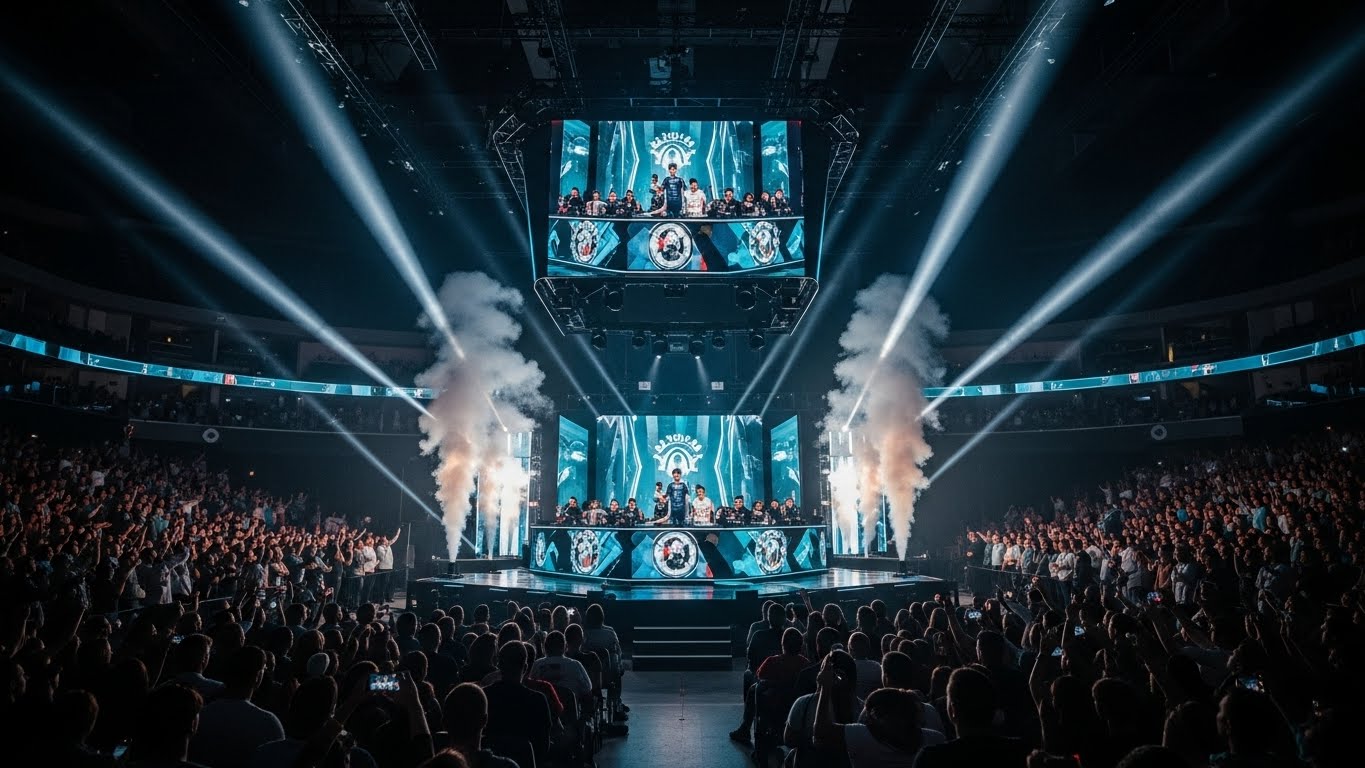
Tournaments are held in arenas once reserved for basketball or concerts, and tickets sell out fast. Merchandise sales, streaming subscriptions, and digital content add even more layers of revenue.
It’s not just the big players who benefit. Local tournaments, gaming cafes, and amateur leagues all contribute to a thriving ecosystem. Entire careers have formed around content creation, commentary, event production, and team management. Esports isn’t just a pastime — it’s an economy.
Education and Career Opportunities in Esports
The rise of Esports has opened doors beyond just playing. Many universities now offer degrees and courses in game design, Esports management, broadcasting, and marketing. Students can even earn scholarships for their competitive skills, just like traditional athletes.
There are also opportunities in event organization, content creation, and journalism. Behind every major broadcast are producers, commentators, camera operators, and marketing teams ensuring the show runs smoothly.
Esports is also teaching valuable real-world skills — teamwork, communication, leadership, and problem-solving — that apply far beyond gaming.
The Cultural Impact of Esports
Esports is shaping culture in ways few predicted. It has inspired movies, music, and even fashion. Major artists perform at gaming tournaments, while athletes and celebrities invest in Esports teams.
Gaming slang, memes, and trends have spilled into everyday conversation. Traditional sports organizations like the NBA and FIFA have launched Esports leagues to connect with younger fans.
More importantly, Esports has helped bridge gaps between cultures and generations. It’s common to see fans from different countries cheering together for the same team, united by a shared love for the game. The sense of global connection is one of Esports’ most powerful legacies.
The Challenges and Controversies
Despite its success, Esports faces real challenges. Player burnout is one of the biggest issues. The intense training schedules, travel demands, and online pressure can take a toll on mental and physical health.
There are also concerns about stability — the industry relies heavily on game publishers, and a single rule change or update can alter competitive balance overnight.
Toxicity, cheating, and match-fixing scandals have also made headlines. Maintaining integrity and inclusivity is essential for the industry’s long-term credibility.
Lastly, while Esports has made huge strides in gender diversity, the scene remains male-dominated. More efforts are being made to support women and non-binary players through dedicated tournaments and community programs.
The Future of Esports: What Comes Next
The future of Esports looks brighter than ever. As technology continues to evolve, so will the way people play and watch games. Cloud gaming, faster internet speeds, and cross-platform compatibility are making Esports more accessible than ever before.
We can also expect more integration with traditional media. Television networks, streaming platforms, and even film studios are partnering with Esports organizations to create hybrid content — part competition, part entertainment.
On the competitive side, new genres will rise. Mobile Esports, for instance, is exploding in regions like Southeast Asia and India, where smartphones are the main gaming platform.
Virtual and augmented reality may also redefine the experience, allowing players and fans to interact in ways that blur the line between the physical and digital worlds.
As Esports matures, governance and regulation will become more structured. Associations are forming to ensure fair play, protect player rights, and set international standards.
Conclusion: More Than Just a Game
Esports is more than digital competition — it’s a reflection of our times. It represents creativity, technology, and human connection. It shows how passion, when combined with innovation, can reshape entire industries.
From the early arcade days to global arenas filled with roaring fans, Esports has come a long way. And yet, it’s still just getting started.
What makes Esports truly special isn’t just the skill or the spectacle — it’s the sense of community that transcends borders. Whether you’re a player, a fan, or a casual viewer, Esports welcomes you into a world where everyone has a role to play.
The digital age has its own champions, and their arena is limitless.