arenabattle49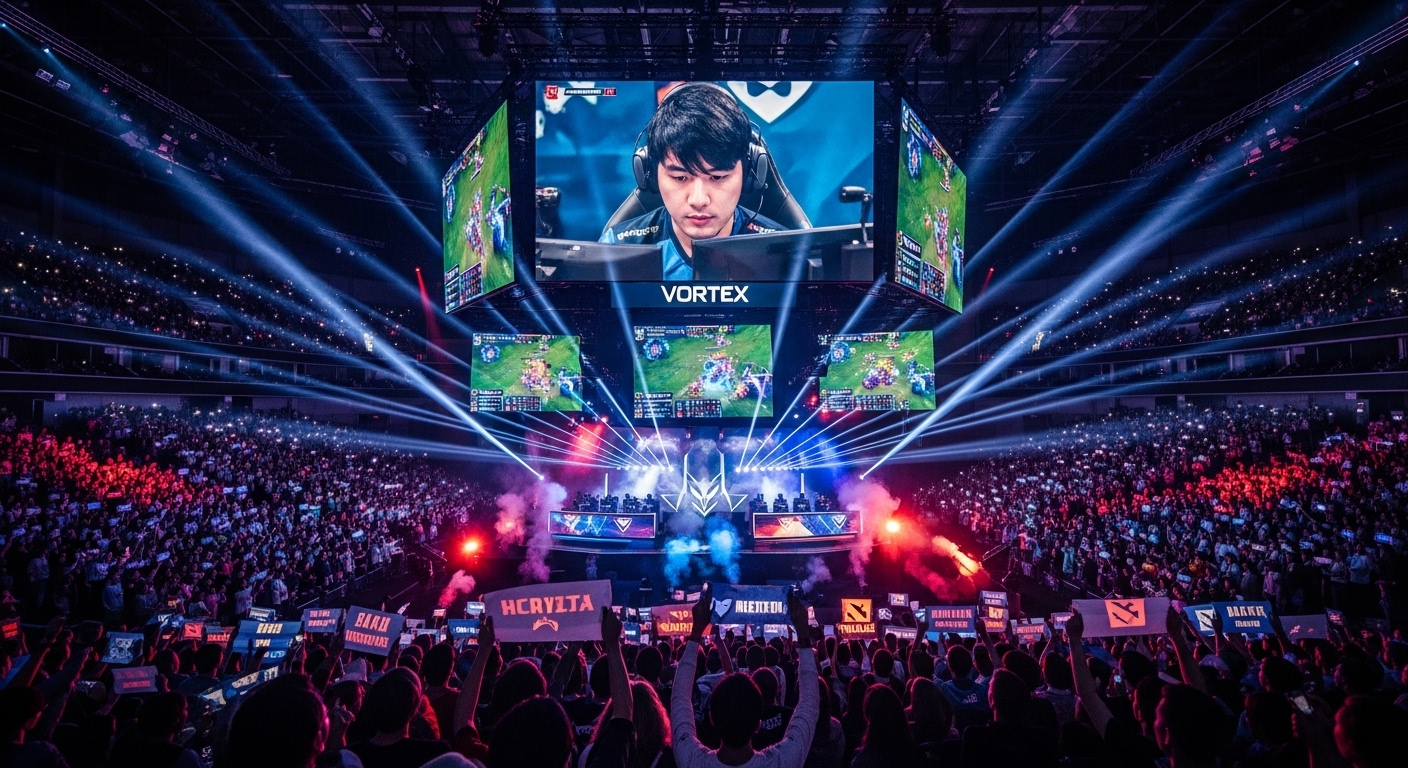
Introduction
In the past few decades, the world has witnessed a revolution in how people perceive entertainment, competition, and digital culture. Among the most striking developments of the modern age is the rise of Esports—a global phenomenon that has transformed video gaming from a simple pastime into a massive industry of competition, sponsorship, and professional recognition. What once began as small gatherings of gamers in local arcades or living rooms has now become a multibillion-dollar industry, drawing audiences that rival traditional sports. The term Esports refers to organized, competitive video gaming, where individuals or teams battle in various genres and titles, showcasing skill, strategy, and teamwork.
The Origins of Esports
The story of Esports is one of humble beginnings. The first recognized video game competition dates back to 1972 at Stanford University, where students competed in the game “Spacewar.” The winner received a subscription to a magazine, not a massive cash prize or global fame. However, that event planted a seed that would one day grow into a cultural movement.
During the 1980s and 1990s, competitive gaming began to gain momentum, particularly with the rise of arcade games like “Pac-Man,” “Street Fighter,” and “Mortal Kombat.” These games fostered a sense of rivalry and community. Players would challenge one another to achieve the highest scores or defeat opponents in head-to-head battles. By the late 1990s, the expansion of the internet gave competitive gaming new life. Multiplayer games like “Quake” and “StarCraft” brought players from around the world into the same digital arenas. This global connectivity turned small competitions into international tournaments.
The Explosion of Esports in the 21st Century
The 2000s marked the beginning of the Esports boom. Games such as “Counter-Strike,” “Warcraft III,” and “Dota” became the backbone of professional gaming. The creation of online streaming platforms allowed fans to watch their favorite players live, revolutionizing how Esports reached audiences. No longer did fans have to attend physical venues; they could now enjoy competitions from anywhere in the world.
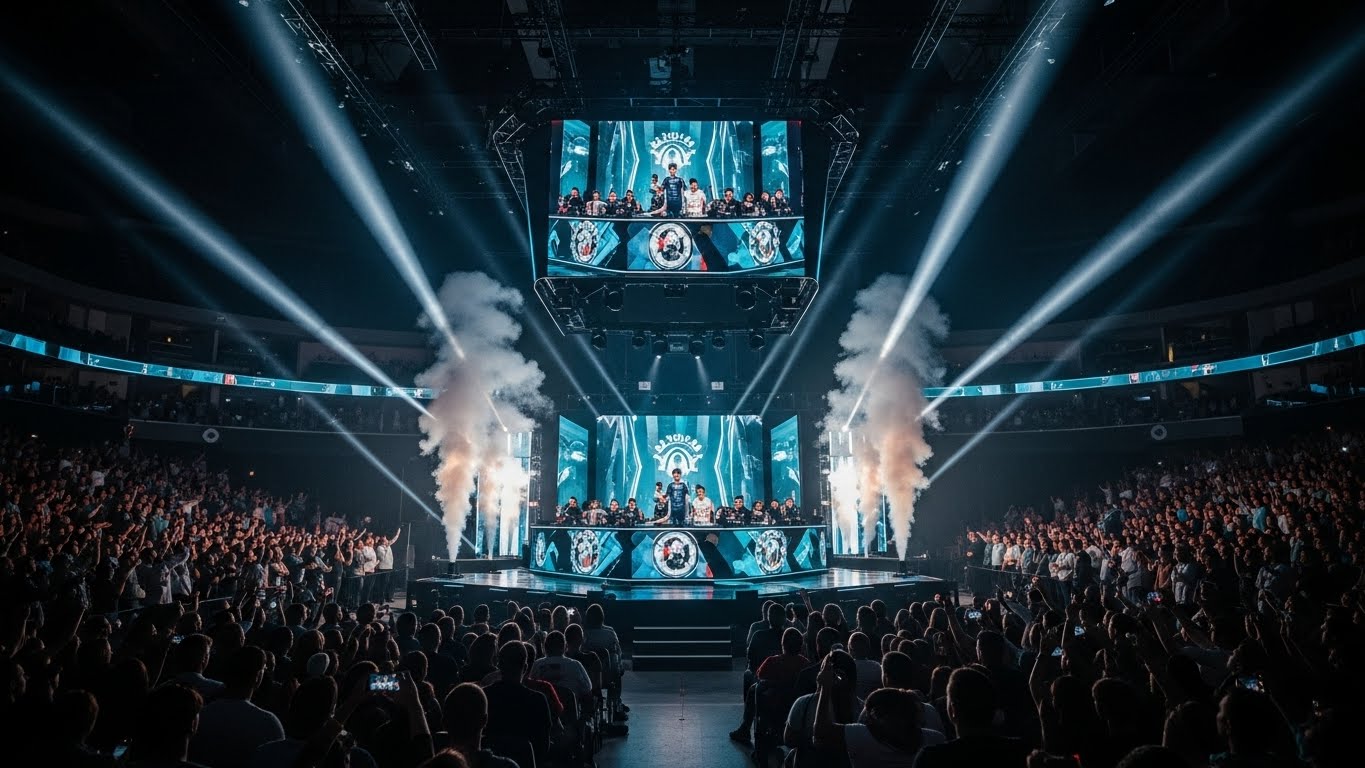
The early 2010s saw the rise of games like “League of Legends,” “Dota 2,” and “Overwatch,” which defined the structure of modern Esports. With millions of dollars in prize pools, sponsorship deals, and professional contracts, Esports began to mirror traditional sports leagues. The 2013 “League of Legends World Championship” filled a stadium with more than 20,000 fans, and millions more watched online. Such moments marked Esports’ transition from a niche hobby to mainstream entertainment.
The Esports Ecosystem
Esports is not simply about playing games; it is a complete ecosystem. This ecosystem includes players, teams, coaches, event organizers, sponsors, media outlets, and fans. Each component plays a critical role in sustaining the industry.
Players and Teams: Professional gamers dedicate countless hours to practice, strategy development, and teamwork. Many join organized teams managed by organizations that provide salaries, housing, nutritionists, and analysts. Teams like T1, Fnatic, and Cloud9 have become household names within the gaming community.
Event Organizers: Behind every major tournament are organizers who manage logistics, venues, broadcasting, and prize distributions. These organizations ensure that events run smoothly and meet global standards of production.
Sponsors and Brands: Esports has become a magnet for brands looking to engage younger audiences. From hardware companies to energy drink producers, brands invest heavily in sponsorships and advertisements.
Fans and Viewers: The fans form the lifeblood of Esports. Through live chats, fan art, and social media interactions, they create a culture of excitement and community. Esports fans are deeply loyal and knowledgeable, following not only players but also strategies and team histories.
Popular Game Genres in Esports
The diversity of Esports is reflected in the variety of game genres represented. Unlike traditional sports, which are limited to specific physical activities, Esports can encompass multiple styles of competition.
1. Multiplayer Online Battle Arenas (MOBA): Games like “League of Legends,” “Dota 2,” and “Smite” dominate this category. Players control unique characters with special abilities and work together to destroy the enemy’s base.
2. First-Person Shooters (FPS): Titles such as “Counter-Strike: Global Offensive,” “Valorant,” and “Call of Duty” focus on accuracy, reflexes, and tactical teamwork.
3. Real-Time Strategy (RTS): Though less dominant today, games like “StarCraft II” were once pillars of competitive gaming, emphasizing planning, resource management, and speed.
4. Battle Royale: Games like “Fortnite” and “PUBG” have created large-scale competitive events, where survival and quick thinking are key.
5. Sports Simulations: Titles such as “FIFA,” “NBA 2K,” and “Rocket League” blend traditional sports with digital competition, appealing to fans from both worlds.
6. Fighting Games: “Street Fighter,” “Tekken,” and “Super Smash Bros.” continue to attract passionate players who rely on precise timing and mechanical skill.
The Growth of Esports Audiences
The growth of Esports audiences has been nothing short of phenomenal. Millions of fans tune in to live streams, highlight videos, and commentary shows. Major tournaments often rival traditional sports events in viewership. For instance, certain Esports world finals have attracted more viewers than major sporting events like the Super Bowl or NBA Finals.
The appeal of Esports lies in its accessibility. Anyone with an internet connection can participate, watch, or engage. The global nature of gaming transcends language and culture, creating a universal community. Moreover, the interactive nature of live chats and social media allows fans to feel connected to their favorite teams and players in real time.
The Professional Esports Player
The life of a professional Esports player is both glamorous and challenging. While many imagine it as endless hours of fun, it is actually a career built on discipline, practice, and resilience. Top players train for eight to twelve hours a day, refining their reflexes, studying opponents, and working on strategies.
Esports athletes also face mental and physical challenges. Extended screen time can lead to fatigue, and constant competition can bring stress and burnout. To address these issues, many organizations now provide mental health coaches, nutritionists, and fitness programs for their players.
Despite the challenges, the rewards can be enormous. Elite players earn six-figure salaries, sponsorship deals, and appearance fees. Some even become celebrities with millions of followers across social media platforms.
The Role of Technology in Esports
Technology serves as the backbone of Esports. From powerful gaming hardware to high-speed internet connections, every advancement in technology pushes the industry forward. Gaming companies constantly develop optimized systems that allow for smoother gameplay and reduced lag. Streaming platforms provide instant access to live content across multiple devices.
Virtual reality and augmented reality are beginning to shape the future of Esports as well. Imagine competitive matches where players step into fully immersive worlds, blending physical and digital gameplay. Artificial intelligence is also becoming a valuable tool in training programs, analyzing player data, and predicting in-game scenarios.
The Cultural Impact of Esports
Esports has reshaped popular culture. What was once viewed as a subculture of gamers is now an influential force that crosses music, fashion, and entertainment. Esports tournaments feature celebrity appearances, live performances, and even collaborations with movie studios and fashion brands.
The idea of the gamer has evolved, too. Once seen as isolated individuals, gamers are now recognized as skilled professionals and creative innovators. The inclusion of Esports in universities and schools further emphasizes its cultural acceptance. Educational institutions around the world now offer scholarships for Esports players, treating gaming as seriously as traditional athletics.
Esports as a Career Path
Esports offers numerous career opportunities beyond playing. As the industry expands, roles in event management, broadcasting, coaching, game analysis, marketing, and journalism are becoming highly sought after. Commentators, known as “casters,” bring energy and excitement to live matches, while analysts break down strategies and player performances.
Additionally, content creators and streamers play a vital role in promoting Esports culture. Through platforms that allow live interaction, gamers can build personal brands and fanbases that rival professional athletes. The combination of entertainment and skill has created an entirely new generation of online celebrities.
The Global Reach of Esports
Esports is truly global. From Seoul to Los Angeles, from Stockholm to Shanghai, the competitive gaming scene unites people across borders. Each region brings its own unique flavor to the scene. South Korea is known as the birthplace of professional gaming, particularly for games like “StarCraft” and “League of Legends.” North America has become a hub for organizations and tournaments, while Europe produces many of the world’s top players.
Emerging regions like Southeast Asia, the Middle East, and Latin America are also gaining recognition. These regions are investing heavily in Esports infrastructure and nurturing local talent. The inclusivity and diversity of Esports make it one of the few global activities that unite individuals regardless of geography or background.
Esports and Traditional Sports
The relationship between Esports and traditional sports has evolved from skepticism to collaboration. Many traditional sports organizations now invest in Esports teams, recognizing its potential for reaching younger audiences. Football clubs, basketball franchises, and even Formula 1 teams have launched their own Esports divisions.
Moreover, Esports has borrowed many elements from traditional sports, including commentary, sponsorship structures, and fan engagement strategies. This merging of industries has blurred the lines between physical and digital competition, creating an entertainment landscape where both can coexist and thrive.
Challenges Facing Esports
Despite its incredible growth, Esports faces challenges that must be addressed for sustainable success.
1. Regulation and Governance: Unlike traditional sports, Esports lacks a universal governing body. Each game developer often controls its own competitive scene, which can lead to inconsistency and disputes.
2. Player Welfare: Issues like burnout, mental health, and short career spans are growing concerns. Proper support systems and labor protections are essential for long-term stability.
3. Cheating and Fair Play: The use of software hacks or match-fixing scandals can damage the credibility of Esports. Strong anti-cheat systems and ethical standards are crucial to maintain integrity.
4. Economic Sustainability: While prize pools and sponsorships generate revenue, not all teams or organizations achieve financial stability. Balancing profitability with growth remains a key challenge.
The Future of Esports
The future of Esports is filled with promise. As technology continues to advance, the possibilities are limitless. Virtual arenas, holographic displays, and immersive gameplay will redefine how audiences experience competition. Furthermore, the inclusion of Esports in major international events like the Asian Games symbolizes its recognition as a legitimate sport.
The expansion of 5G and cloud gaming will make competitive gaming even more accessible. With faster connections and portable devices, players can compete from anywhere. Educational institutions will continue integrating Esports programs, nurturing future generations of players, analysts, and developers.
Moreover, as society becomes more digitally connected, Esports will play a vital role in entertainment, innovation, and global unity.
Conclusion
Esports has transformed the landscape of entertainment and competition in ways few could have imagined. From small campus tournaments to global championships with millions of viewers, it has become a symbol of how technology, creativity, and passion can converge to create something extraordinary.
It has broken barriers, created careers, and inspired countless individuals to pursue excellence in digital form. Whether one is a player, a fan, or simply an observer, the world of Esports offers an inclusive and exciting community that continues to grow and evolve.
As the future unfolds, Esports stands as a testament to the limitless potential of human innovation, proving that competition knows no boundaries—whether on the field, the court, or the screen.