arenabattle49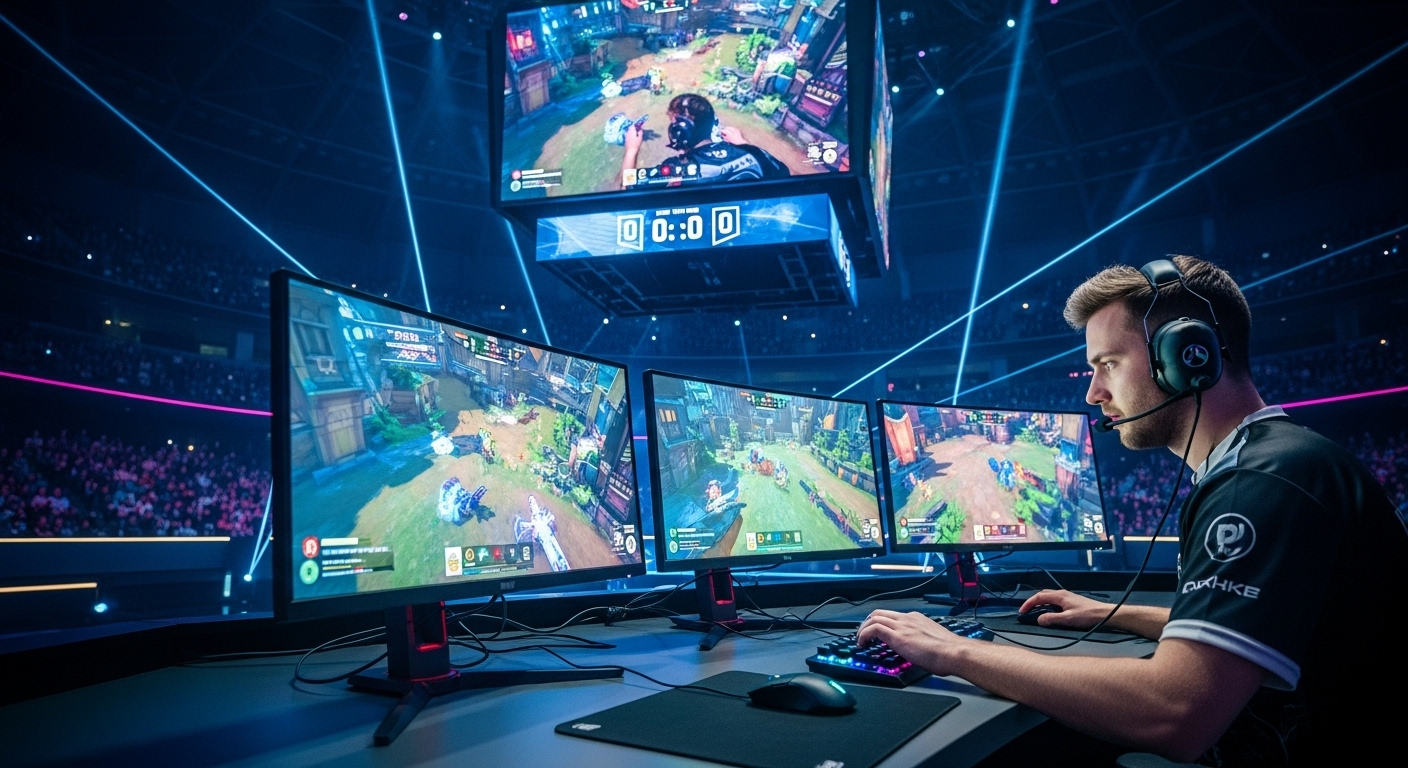
Introduction: The Game Has Changed
In the past two decades, the world of sports has seen a radical transformation, and at the heart of this shift lies one of the most exciting developments in entertainment today—esports. Competitive video gaming has evolved from a niche activity to a mainstream phenomenon, drawing millions of viewers, players, and professionals worldwide. This digital revolution is reshaping how we view sports, competition, and entertainment. In this blog, we’ll explore how esports has become a global powerhouse and what the future holds for this rapidly expanding industry.
From Arcade to Arena: The Evolution of Esports
Esports didn’t appear overnight. Its roots trace back to the early days of arcade gaming, where local tournaments were held, and enthusiasts would gather to compete against each other. Titles like Street Fighter and Pac-Man were among the first games to spark competitive play.
Fast forward to the 2000s, and the rise of internet gaming and platforms like Battle.net for Starcraft or Halo on Xbox Live allowed gamers to compete against others across the globe. By the mid-2000s, esports took its first big leap into the mainstream, with professional tournaments like the World Cyber Games and Electronic Sports World Cup beginning to gain traction.
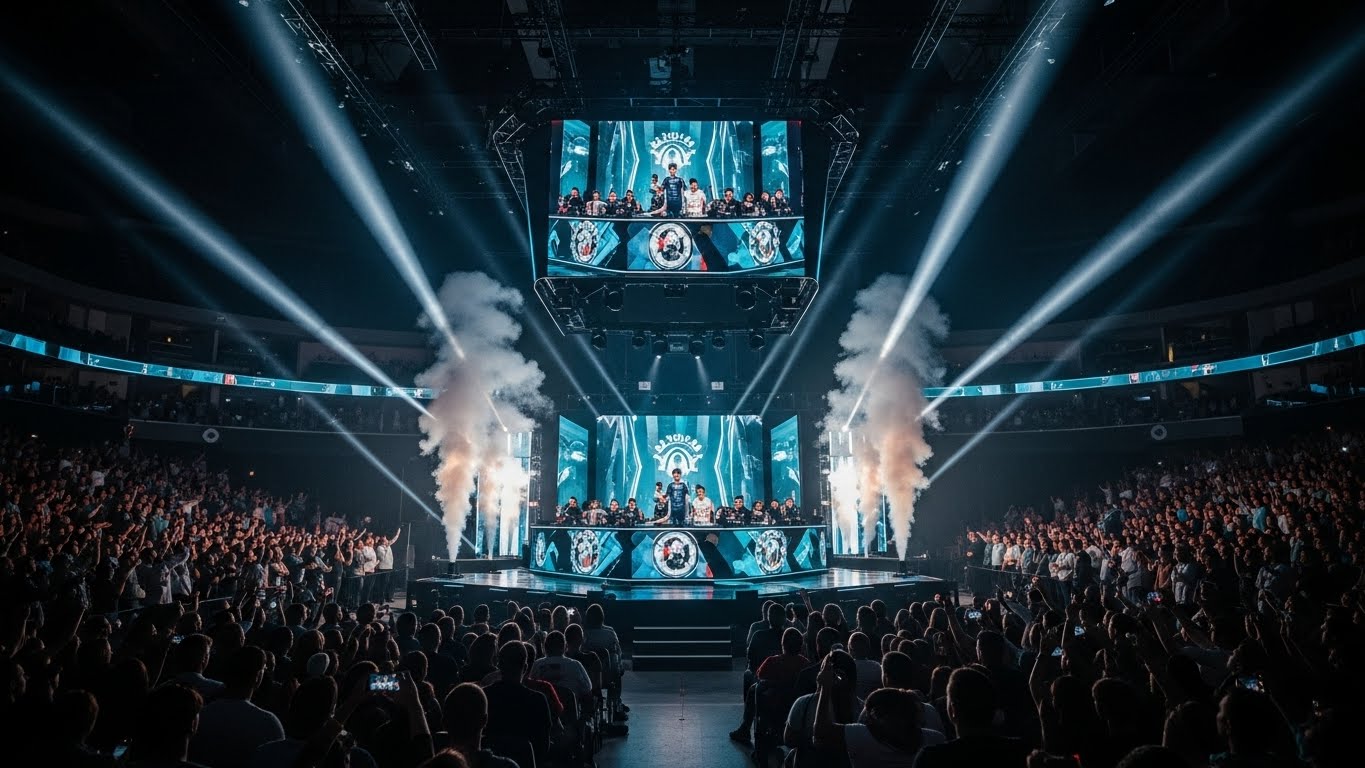
However, it wasn’t until platforms like Twitch came into existence in 2011 that esports truly began to thrive. Streaming changed everything by giving fans easy access to live tournaments, and viewership skyrocketed. Today, major esports events fill stadiums, draw in millions of online viewers, and offer prize pools rivaling those of traditional sports.
The Global Growth of Esports: A Billion-Dollar Industry
One of the most astonishing aspects of esports is its rapid growth. The global esports industry is now worth billions of dollars, with projections showing it will continue to expand at an exponential rate. From prize money to sponsorships and streaming revenue, esports has become a significant player in the world of entertainment.
What’s driving this growth?
- Brand Investment: Traditional companies and tech giants are pouring money into esports. Major brands, such as Coca-Cola, Intel, and Nike, are signing sponsorship deals with teams and events, recognizing esports as an invaluable marketing tool. In 2023 alone, global sponsorships reached new heights, signaling the growing trust in esports’ commercial potential.
- Media Coverage: Esports is now covered by major sports networks and digital platforms, allowing it to reach broader audiences. The accessibility of streaming services has played a huge role in this, with events streamed live for millions to watch at no cost.
- Tournament Culture: Esports tournaments are a spectacle in themselves. With live audiences, commentary, and intense competition, esports events mirror traditional sports in terms of production value. Major events like The International (Dota 2) or League of Legends World Championship draw millions of viewers each year, offering prize pools that run into the tens of millions.
The Business of Esports: Professional Teams, Salaries, and Careers
For years, competitive gaming was seen as a hobby or passion project. However, as esports matured, professional players emerged, earning full-time salaries and gaining fame akin to traditional athletes. Esports teams now operate similarly to sports franchises, complete with sponsors, coaches, analysts, and marketing teams.
Professional gamers can earn substantial income from a combination of tournament winnings, sponsorships, and streaming. Some of the top players make millions each year, while others build thriving careers as content creators, streamers, or influencers. Just as we see in traditional sports, esports has created a new ecosystem of professions, ranging from coaching to team management and broadcasting.
Another key aspect of esports’ success is its younger audience. While traditional sports tend to attract a more varied age demographic, esports is particularly popular among Generation Z and millennials, who value digital experiences and have grown up with gaming as a major part of their lives. This audience is not only watching esports—they’re actively participating, either as players, streamers, or fans.
The Rise of Streaming and Digital Communities
Streaming is one of the most significant factors in the rise of esports. Platforms like Twitch, YouTube Gaming, and Facebook Gaming have given players and fans a platform to connect, interact, and enjoy competitive gaming in real time. Streaming has democratized access to esports, allowing anyone with an internet connection to watch top-tier competitions or even participate in amateur events.
What makes esports streaming unique is the level of interaction it offers. Viewers can engage with their favorite streamers or players through live chats, polls, and donations. This level of engagement fosters a sense of community that is hard to replicate in traditional sports.
Esports has also given rise to a new kind of celebrity. Pro players, coaches, and even commentators have become influencers in their own right. They engage with their audiences on platforms like Instagram, Twitter, and TikTok, further building their brand and extending their reach beyond the gaming world.
The Future of Esports: What’s Next?
Looking ahead, it’s clear that esports has only scratched the surface of its potential. With continued technological advancements and growing global interest, the future of esports looks incredibly promising.
- Virtual Reality and Augmented Reality: The integration of VR and AR technologies could take esports to the next level. Imagine participating in tournaments where players are fully immersed in virtual environments, providing an experience beyond what is currently possible with traditional gaming setups. VR and AR could offer esports fans and players alike a whole new way to experience competitive gaming.
- Esports in Education: Many schools and universities now offer esports scholarships, and some are even incorporating gaming into their curricula. As esports grows in popularity, it’s likely that more educational institutions will establish dedicated programs, creating a pipeline of new talent.
- Mainstream Recognition: As esports continues to grow, the possibility of its inclusion in traditional sporting events like the Olympics becomes more real. It’s an exciting prospect, and with the growing support of national and international organizations, esports may soon be recognized alongside traditional sports as a legitimate form of competition.
- Mobile Esports: Mobile gaming has been one of the fastest-growing sectors in the esports industry. Games like PUBG Mobile and Clash Royale have already created massive competitive scenes. With mobile gaming technology constantly improving, the future could see more mobile esports leagues and international tournaments.
Conclusion: Esports is Here to Stay
Esports has firmly established itself as a dominant force in the entertainment world, one that will only continue to grow. From its humble beginnings in local LAN tournaments to becoming a multi-billion-dollar industry, esports has captured the hearts and minds of millions worldwide. As technology advances and the competitive scene matures, esports will no doubt continue to redefine what it means to be an athlete, a fan, and a part of a digital community.
Whether you’re a casual viewer, a competitive gamer, or someone who’s just beginning to explore the world of esports, one thing is clear: the future of competitive gaming is brighter than ever. The digital arena is only getting started, and there’s never been a better time to get involved.