arenabattle49
Introduction
Esports, or electronic sports, has grown from a niche hobby into a global phenomenon that captivates millions of fans around the world. Once considered a pastime for hobbyists and gamers, esports has evolved into a multi-billion-dollar industry, rivaling traditional sports in terms of viewership, sponsorship, and professional recognition. The growth of esports is not only a story about games but also about the intersection of technology, culture, and competition.
In the digital era, esports represents a new form of entertainment where skill, strategy, teamwork, and dedication determine success. It is a domain where players can build careers, fans can connect across continents, and organizations can innovate in ways never seen before in traditional sports. This blog explores the history, evolution, games, professional structures, fan culture, business models, challenges, and future of esports, highlighting why it has become a defining aspect of modern entertainment.
The Origins of Esports
The origins of esports can be traced back to the late 1970s and early 1980s, when early gaming competitions began to emerge. One of the first known video game competitions took place in 1980 with the Space Invaders Championship, drawing thousands of participants. These events, although small-scale, laid the foundation for competitive gaming.
During the 1980s and 1990s, arcade games and early home consoles brought gaming into households worldwide. Competitive play was largely informal, conducted in arcades, computer labs, or local gaming clubs. With the rise of personal computers, games such as Quake, StarCraft, and Counter-Strike created communities where players could compete at higher skill levels. The combination of skill, strategy, and coordination turned casual gaming into a structured competitive activity.
By the late 1990s and early 2000s, internet connectivity allowed online competitions to flourish. LAN tournaments and online leagues created opportunities for players to compete across regions, while early streaming platforms introduced spectatorship to the world of esports.
Popular Esports Games
Esports thrives on the games themselves, and certain genres have become central to the industry. Each type of game offers unique challenges and requires specialized skills, attracting diverse audiences.
Multiplayer Online Battle Arenas (MOBAs)
MOBAs like League of Legends and Dota 2 have become cornerstones of competitive gaming. These games emphasize teamwork, strategy, and individual skill. Players select characters with unique abilities and work collaboratively to achieve objectives while defeating opponents. International tournaments for MOBAs, such as The International for Dota 2, offer prize pools exceeding millions of dollars and attract viewership comparable to major sporting events.
First-Person Shooters (FPS)
FPS games, including Counter-Strike: Global Offensive, Valorant, and Call of Duty, focus on precision, reflexes, and tactical awareness. Competitive FPS esports requires players to react quickly, communicate effectively, and execute strategies under pressure. Tournaments often feature elimination-style brackets and team-based matches, keeping audiences engaged with high-stakes gameplay.
Battle Royale Games
The battle royale genre, exemplified by Fortnite, PUBG, and Apex Legends, emphasizes survival in large-scale environments. Players or teams compete to be the last standing, balancing combat, exploration, and resource management. The unpredictable nature of battle royale games makes them exciting to watch, while large online communities fuel social engagement.
Fighting Games
Fighting games such as Street Fighter, Tekken, and Super Smash Bros. have a rich competitive history. These games focus on one-on-one skill, reflexes, and mastery of character mechanics. Tournaments like EVO (Evolution Championship Series) celebrate both skill and showmanship, drawing dedicated fanbases that span decades.
Sports Simulations
Sports simulation games like FIFA, NBA 2K, and Madden NFL bridge traditional sports and esports. Players compete in virtual renditions of real-world games, creating a crossover appeal for fans of both physical sports and digital gaming. These games emphasize strategy, precision, and an understanding of real-world sports mechanics.
Professional Structure in Esports
Esports has developed a professional ecosystem similar to traditional sports. Teams, leagues, tournaments, and support staff form the foundation of a competitive ecosystem that sustains players and engages fans.
Esports Teams
Professional teams recruit top players, provide training, and offer support in areas such as coaching, nutrition, and mental health. Teams like T1, Cloud9, Fnatic, and G2 Esports operate as franchises, competing in domestic leagues and international tournaments. A team’s success depends not only on individual skill but also on teamwork, communication, and strategy execution.
Leagues and Tournaments
Esports leagues provide structured competition over a season, creating consistent engagement for players and fans. Examples include the League of Legends Championship Series (LCS), Overwatch League (OWL), and Call of Duty League (CDL). Tournaments, on the other hand, are concentrated events that often offer larger prize pools and attract global audiences. Major tournaments like The International, Fortnite World Cup, and EVO Championship serve as pinnacle events for competitive gaming.
Roles and Specialization
Players specialize in roles depending on the game. MOBAs assign positions like carry, support, or jungler. FPS games designate roles such as entry fragger, sniper, or support. Each role requires specific skills and contributes to the team’s overall strategy. Specialization allows teams to optimize performance and prepare for high-level competition.
Coaching and Support Staff
Behind every successful esports team is a team of coaches, analysts, psychologists, and fitness trainers. Coaches design strategies, review performance, and guide players. Analysts study opponents and provide actionable insights. Mental health professionals ensure players maintain focus, manage stress, and prevent burnout. Nutritionists help maintain physical well-being, highlighting the holistic approach required in professional esports.
Training and Lifestyle of Esports Professionals
Esports professionals follow rigorous training schedules. Players often practice 6 to 12 hours daily, honing mechanics, developing strategies, and coordinating with teammates. Physical fitness and mental resilience are critical for maintaining high performance, as long hours of gameplay can be physically and mentally demanding.
Sleep, diet, and physical exercise are increasingly recognized as essential elements of a player’s routine. Teams now invest in health programs, including strength training, eye care, and psychological support. Just as athletes in traditional sports must maintain peak condition, esports players balance intense practice with holistic care to achieve competitive excellence.
The Audience and Fan Culture
Esports has cultivated a unique fan culture that combines the excitement of traditional sports with digital community interaction. Fans watch live streams, follow players on social media, and engage in online forums. Platforms like Twitch and YouTube Gaming enable real-time interaction between players and audiences, creating a sense of community and connection.
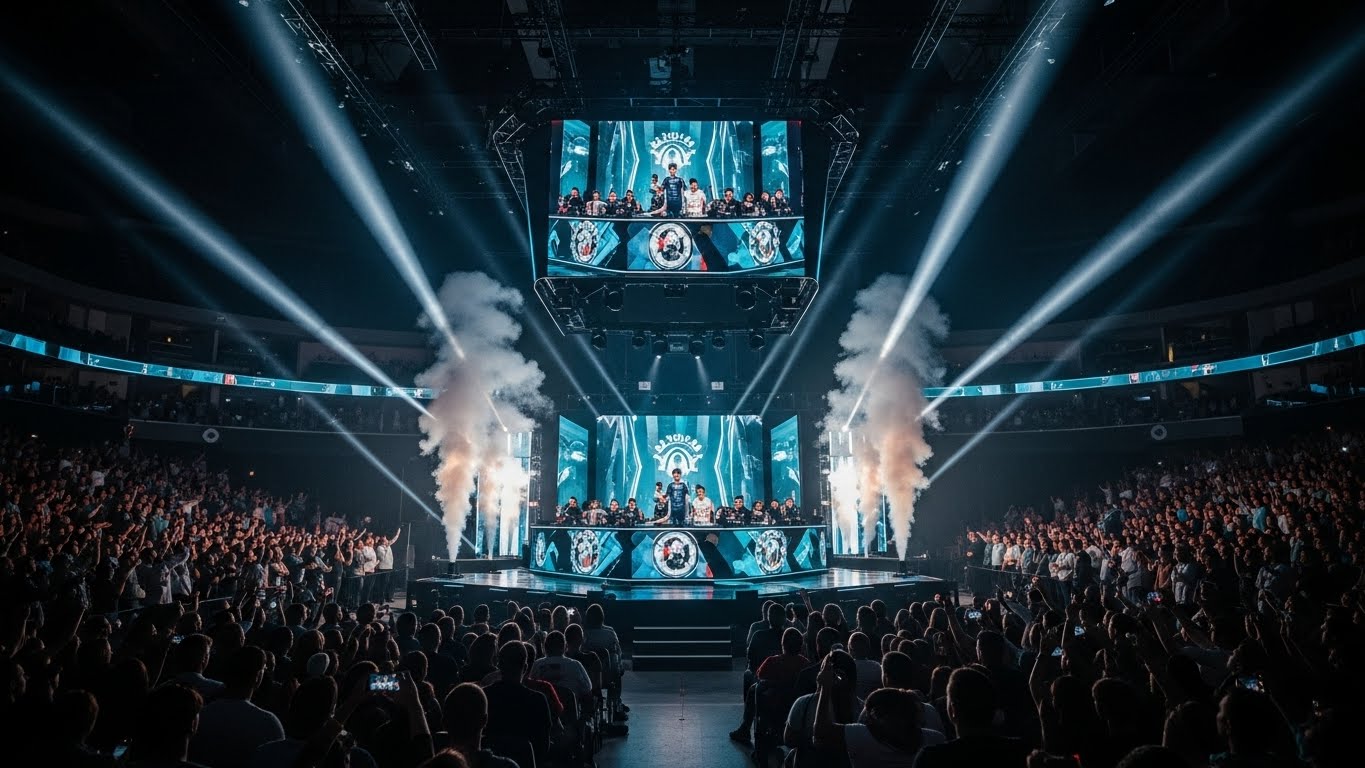
Esports tournaments draw thousands of fans to stadiums, while millions more watch online. Spectators celebrate their favorite teams, create fan art, cosplay, and engage in discussions that sustain vibrant communities. The fan culture is participatory, global, and constantly evolving, reflecting the social nature of digital entertainment.
Business and Economics of Esports
Esports has grown into a highly profitable industry with diverse revenue streams. These include sponsorships, advertising, media rights, merchandise, ticket sales, and in-game purchases.
Sponsorships and Brand Partnerships
Companies sponsor teams, players, and tournaments to reach the young, engaged, and tech-savvy audience that esports attracts. Gaming peripherals, energy drinks, apparel, and technology brands invest heavily, recognizing the marketing potential. Sponsorships provide financial stability for teams and create additional exposure for players.
Media and Streaming Revenue
Streaming platforms are central to esports media. Live broadcasts, highlights, and commentary entertain millions of viewers while generating advertising revenue. The global reach of streaming has made esports content accessible to anyone with an internet connection, expanding audience size and engagement.
Prize Money and Professional Opportunities
Top esports tournaments offer prize pools in the millions of dollars. The International for Dota 2 and League of Legends World Championship are examples of competitions with multi-million-dollar rewards. Players also earn salaries, sponsorships, and revenue from streaming, content creation, and coaching. Career paths extend beyond playing, encompassing management, event organization, analysis, and commentary.
Challenges in Esports
Despite its rapid growth, esports faces significant challenges.
Health and Burnout
Extended hours of practice can lead to physical strain, mental fatigue, and repetitive stress injuries. Teams now emphasize wellness, yet maintaining long-term health and avoiding burnout remains a challenge.
Regulation and Standardization
Esports lacks universal regulation, leading to inconsistent rules, contract disputes, and varying tournament standards. Establishing governing bodies and consistent regulations is essential for sustainability.
Perception and Legitimacy
Esports continues to fight for recognition as a legitimate sport. While inclusion in events like the Asian Games and national programs is progress, cultural acceptance varies across regions and demographics.
Economic Disparity
While elite players earn millions, most professional players face financial instability. Ensuring fair compensation and career opportunities across the industry remains a challenge for long-term growth.
Global Impact of Esports
Esports is a truly global phenomenon. South Korea and China have government-supported programs that elevate competitive gaming to a professional and cultural level. North America and Europe maintain large professional leagues with extensive fan engagement. Emerging markets in Latin America, Southeast Asia, and the Middle East contribute to expanding audiences and diverse player bases.
Esports also promotes cultural exchange. International tournaments bring together players and fans from different backgrounds, fostering cross-cultural interaction and shared experiences. Educational institutions now offer esports programs, scholarships, and academic recognition, reflecting the growing legitimacy of competitive gaming.
The Future of Esports
The future of esports promises continued growth and innovation. Emerging technologies such as virtual reality, augmented reality, and cloud gaming will reshape how competitions are played and consumed. AI-driven analytics will enhance player performance and strategy development, creating more competitive and immersive gameplay.
Esports is likely to integrate further with mainstream sports, entertainment, and education. Partnerships between traditional sports leagues and esports organizations will expand audiences and revenue streams. Community-driven platforms and interactive content will deepen fan engagement, ensuring esports remains a dynamic and evolving industry.
The professionalization of esports will continue, with increased emphasis on health, sustainability, and career longevity. Global tournaments will reach larger audiences, while local competitions nurture emerging talent. Esports will remain a driving force in the intersection of technology, entertainment, and competitive culture.
Conclusion
Esports has transformed from small arcade competitions into a global cultural, social, and economic powerhouse. It is a field where skill, strategy, teamwork, and technology converge to create entertainment experiences that rival traditional sports.
With professional structures, massive audiences, and expanding career opportunities, esports has earned its place as a legitimate and respected competitive pursuit. Its growth reflects the influence of technology, the creativity of players, and the passion of fans worldwide.
Esports represents not only the future of gaming but also the evolution of entertainment itself. It proves that skill, dedication, and innovation can redefine what it means to compete, watch, and participate in a global digital culture. The journey of esports has just begun, and its impact will continue to resonate across generations