arenabattle49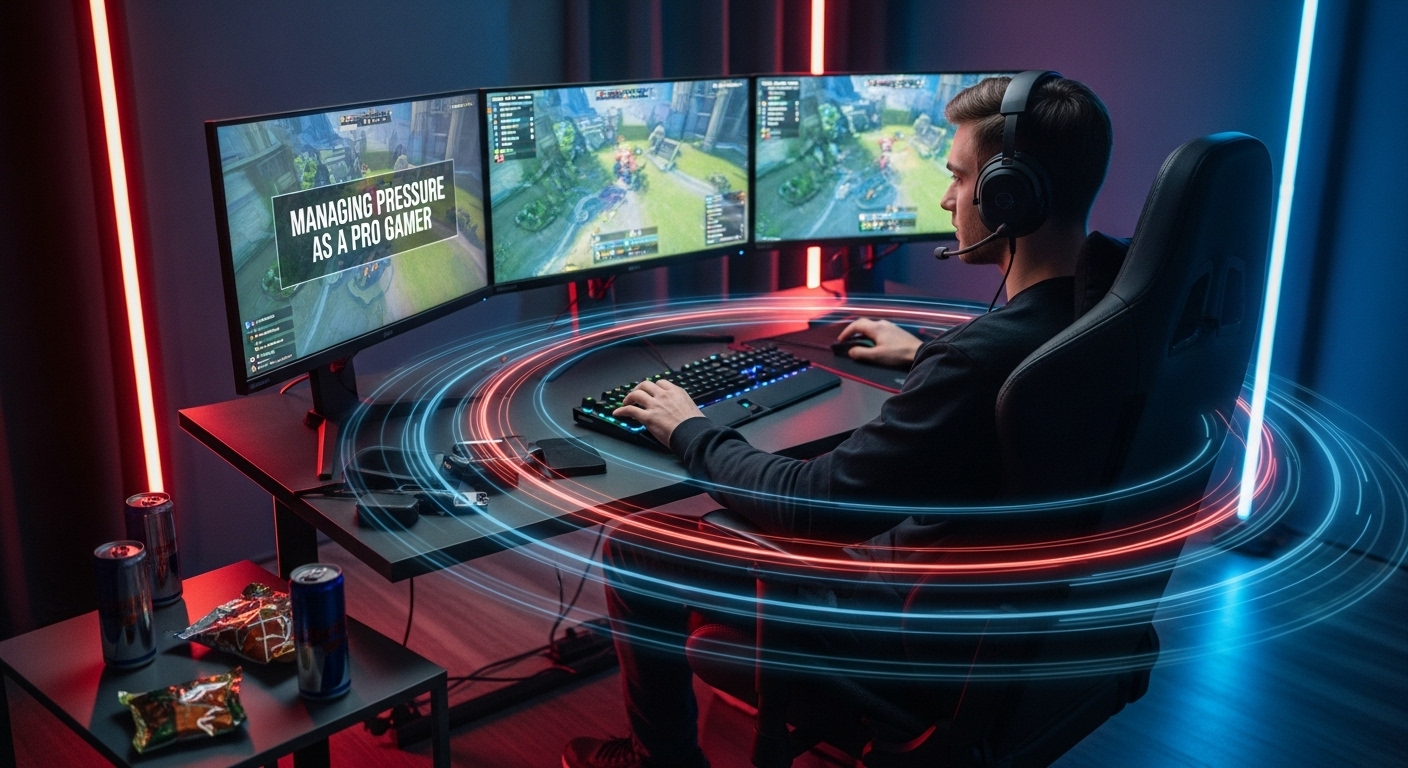
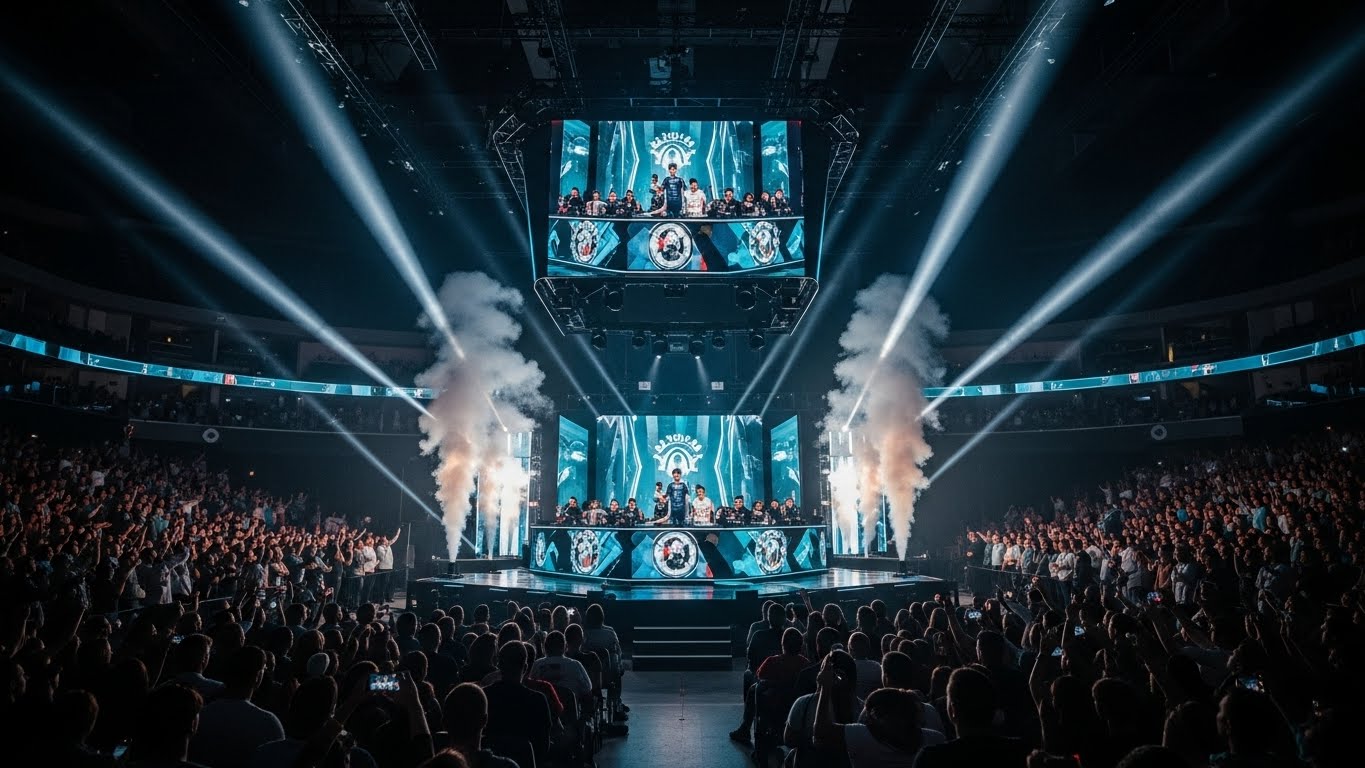
Professional gaming is more than just playing video games for a living. It’s a high-stakes career that requires exceptional skill, strategy, and mental fortitude. While the public often focuses on the glamorous aspects—tournaments, sponsorships, and fan adoration—what often goes unnoticed is the immense pressure professional gamers face. From maintaining peak performance to navigating the complexities of team dynamics, the challenges are as real as those faced by athletes in traditional sports.
In this post, we will explore how professional gamers can manage pressure, maintain mental well-being, and sustain high performance over the long term.
Understanding the Sources of Pressure
Before we can manage pressure, it’s crucial to understand where it comes from. In professional gaming, pressure manifests in several forms:
1. Competitive Pressure
Every tournament, match, or ranked game carries weight. A single loss can affect a player’s career trajectory, team standing, or sponsorship deals. Unlike casual gaming, professional gamers are constantly under the microscope.
2. Performance Expectations
Fans, sponsors, and team management have high expectations. Gamers often face pressure to consistently deliver highlight-worthy plays, clutch victories, and steady performance—even during off days.
3. Time and Practice Demands
Professional gamers often dedicate 8-12 hours a day to practice, review gameplay, and strategize. This relentless schedule can lead to burnout and a heightened sense of pressure to maximize every moment.
4. Social and Public Scrutiny
The rise of social media has amplified the spotlight. Every misstep, mistake, or underwhelming performance can be widely publicized, creating additional stress. Gamers must balance their personal identity with public perception—a challenging task at any age.
5. Personal Pressure
Many gamers place internal pressure on themselves. Perfectionism, self-doubt, and the fear of failure can weigh as heavily as external expectations. This psychological burden often goes unnoticed by fans but significantly impacts performance.
Mental Strategies for Managing Pressure
Just like athletes train their bodies, professional gamers must train their minds. Effective mental strategies can help reduce stress, maintain focus, and optimize performance under pressure.
1. Goal Setting and Focus
Setting clear, achievable goals helps reduce anxiety. Breaking down larger objectives (like winning a tournament) into smaller, actionable tasks (like improving a specific skill) gives a sense of control.
- Short-term goals: Focus on improving a specific mechanic or strategy in the next week.
- Medium-term goals: Aim to perform consistently in the next few tournaments.
- Long-term goals: Define what success looks like in a career spanning years.
Maintaining a focus on actionable goals allows gamers to measure progress without being overwhelmed by external expectations.
2. Mindfulness and Meditation
Mindfulness practices can reduce stress and enhance focus. Even 10-15 minutes of daily meditation can help gamers stay present, regulate emotions, and prevent anxiety from spiraling. Techniques include:
- Breathing exercises: Slow, controlled breaths reduce physiological stress responses.
- Guided meditation: Helps focus the mind on the present rather than on past mistakes or future outcomes.
- Body scanning: Enhances awareness of tension, allowing for relaxation before and during games.
3. Visualization
Visualization is a common technique among elite athletes. By mentally rehearsing gameplay scenarios, gamers can prepare for high-pressure moments and build confidence.
For instance, imagining clutch scenarios, predicting opponent strategies, or practicing split-second decision-making in the mind can enhance real-time execution.
4. Positive Self-Talk
Replacing negative thoughts with constructive affirmations strengthens resilience. For example:
- Instead of: “I can’t fail this match,” try: “I’ve practiced for this, and I can handle it.”
- Instead of: “Everyone is watching me,” try: “I am focused on my game, not on opinions.”
Positive self-talk helps maintain composure and reduces performance anxiety.
Physical Health and Its Role in Pressure Management
Mental resilience is closely tied to physical well-being. Gamers often overlook the importance of exercise, nutrition, and sleep.
1. Sleep Hygiene
Adequate sleep is critical for cognitive function, reaction time, and emotional regulation. Professional gamers should aim for 7-9 hours of sleep and maintain a consistent sleep schedule, even during tournaments.
2. Physical Exercise
Regular exercise improves endurance, reduces stress, and boosts focus. Activities such as cardio, strength training, and stretching help maintain physical health and reduce tension from long gaming sessions.
3. Nutrition and Hydration
A well-balanced diet supports sustained concentration and prevents energy crashes. Gamers should focus on:
- High-protein meals for sustained energy
- Complex carbohydrates for brain function
- Hydration to prevent fatigue and improve reaction times
4. Eye and Posture Care
Long hours in front of screens can strain the eyes and back. Using ergonomic setups, blue light filters, and periodic breaks can prevent discomfort that contributes to mental pressure.
Team Dynamics and Pressure
Professional gamers rarely work alone. Team dynamics play a significant role in how pressure is experienced and managed.
1. Communication
Clear communication reduces misunderstandings and prevents unnecessary stress. Teams that foster open dialogue about strategies, expectations, and feedback tend to handle high-pressure situations better.
2. Trust and Support
A strong sense of trust within the team alleviates individual pressure. Knowing that teammates will cover mistakes or support one another in clutch moments can reduce performance anxiety.
3. Conflict Management
Even high-performing teams face disagreements. Managing conflicts constructively prevents long-term stress and maintains focus on shared goals. Techniques include:
- Active listening
- Calm, solution-focused discussion
- Seeking mediation when needed
Coping Mechanisms for High-Pressure Moments
Even with preparation, pressure can peak during critical moments like tournament finals. Professional gamers develop specific coping mechanisms for these instances.
1. Pre-Game Rituals
Rituals or routines create a sense of stability and control. Examples include:
- Listening to specific music
- Warm-up exercises for hands and eyes
- Reviewing key strategies quietly before matches
2. In-Game Focus Techniques
During games, maintaining focus on immediate tasks rather than outcomes prevents overwhelm. Techniques include:
- Breaking the match into smaller segments
- Focusing on one decision at a time
- Using breathing cues to reset after mistakes
3. Post-Game Reflection
After high-pressure matches, reflection helps convert stress into learning rather than lingering anxiety. Gamers should:
- Review performance objectively
- Identify areas for improvement
- Avoid dwelling on negative outcomes
Psychological Support and Professional Help
Pressure can escalate into serious mental health challenges if not managed. Professional support is crucial for sustained well-being.
1. Sports Psychologists
Sports psychologists work with gamers on focus, stress management, and mental preparation. They teach techniques for emotional regulation and resilience.
2. Peer Support
Sharing experiences with fellow gamers normalizes stress and reduces feelings of isolation. Mentorship programs and team counseling are beneficial.
3. Therapy and Counseling
For persistent anxiety, depression, or burnout, therapy provides structured strategies for coping. Cognitive-behavioral therapy (CBT) is particularly effective for performance-related stress.
Long-Term Pressure Management
Managing pressure is not just about handling individual matches—it’s about sustaining a long-term career.
1. Career Planning
Setting realistic career milestones prevents burnout. Gamers should consider:
- Diversifying roles (streaming, coaching, content creation)
- Planning for life after competitive play
- Gradually scaling practice intensity to prevent fatigue
2. Balanced Lifestyle
A balanced life reduces cumulative stress. Gamers should maintain social relationships, hobbies, and downtime outside of gaming.
3. Continuous Learning
Adapting to new games, strategies, and meta changes keeps the mind engaged without undue pressure. Lifelong learning encourages a growth mindset.
Case Studies: Gamers Who Excel Under Pressure
Many professional gamers have become legendary not only for skill but for composure under stress.
- Lee “Faker” Sang-hyeok (League of Legends): Known for consistent performance in high-stakes tournaments, Faker attributes success to rigorous practice, mental preparation, and focus on small goals.
- Oleksandr “s1mple” Kostyliev (CS:GO): His precision under pressure comes from structured routines, visualization, and continuous reflection on gameplay.
- Kuro “KuroKy” Salehi Takhasomi (Dota 2): A veteran player who emphasizes team dynamics and psychological resilience as keys to handling the stress of international tournaments.
These examples illustrate that managing pressure is a skill developed through deliberate practice, mental training, and lifestyle management.
Conclusion
Professional gaming is a demanding career that tests not only skill but also mental resilience. Managing pressure requires a holistic approach encompassing mental strategies, physical health, team dynamics, coping mechanisms, and professional support. Gamers who prioritize mental preparation, balance, and structured routines are better equipped to thrive under pressure and sustain a successful career.
By understanding the sources of pressure, implementing targeted strategies, and seeking support when needed, professional gamers can transform pressure from a threat into a performance-enhancing force.