arenabattle49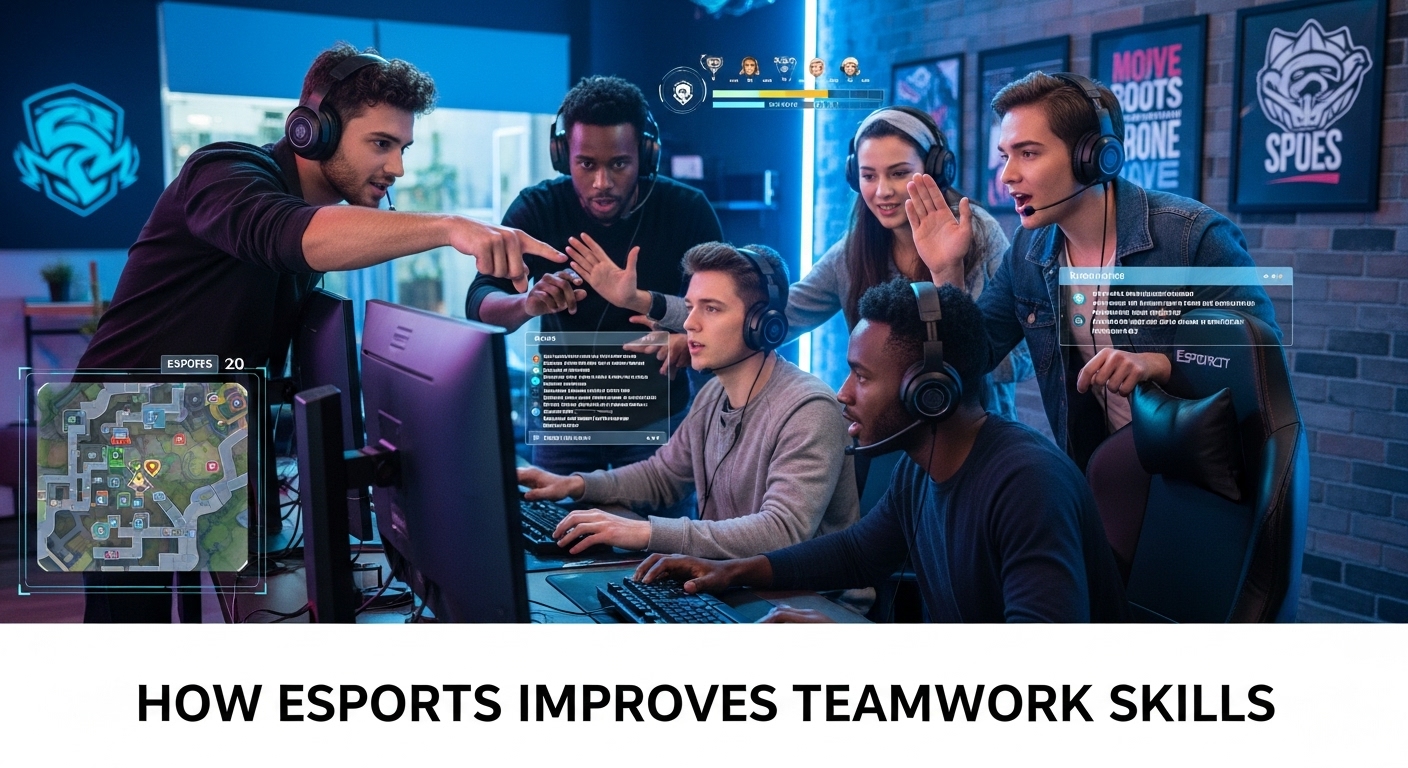
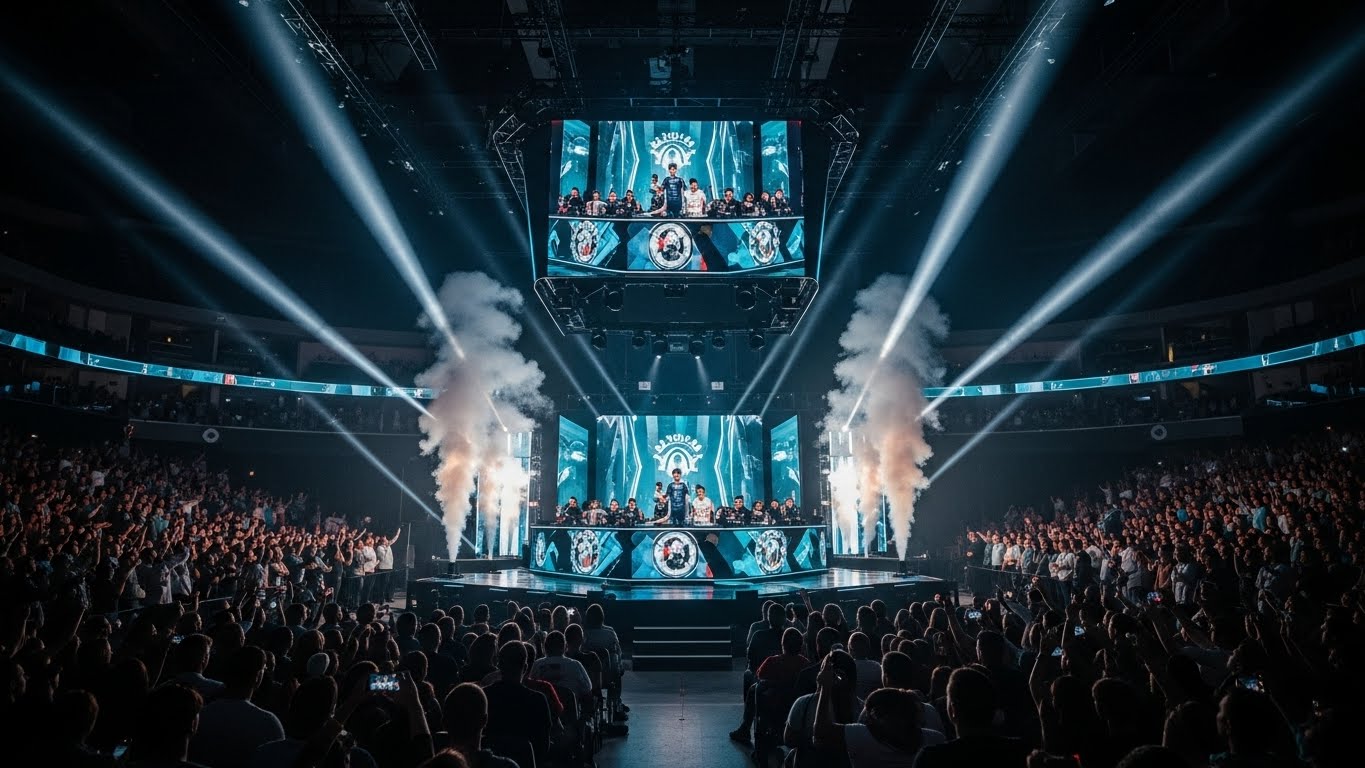
Esports has grown from a niche hobby into a global phenomenon, attracting millions of players and spectators worldwide. Beyond its entertainment value, esports offers players a unique environment to develop essential life skills. One of the most significant skills cultivated through competitive gaming is teamwork. In a landscape where success depends on collaboration, communication, and strategic coordination, esports provides fertile ground for honing these abilities. In this blog post, we explore how esports improves teamwork skills, why it matters, and how these skills translate into real-life scenarios.
1. Understanding Teamwork in Esports
Teamwork in esports is not just about playing together; it’s about integrating individual strengths into a cohesive unit. In games like League of Legends, Dota 2, Overwatch, and Counter-Strike: Global Offensive, players must coordinate their actions, anticipate teammates’ decisions, and execute complex strategies under pressure. Each team member plays a specific role, and the success of the team hinges on the seamless execution of these roles.
Key Components of Teamwork in Esports:
- Communication: Sharing critical information, such as enemy positions or strategic plans, in real-time.
- Coordination: Timing attacks, defending objectives, or executing combos effectively.
- Adaptability: Adjusting strategies based on team performance and opponents’ actions.
- Trust and Dependability: Relying on teammates to fulfill their roles competently.
2. Communication Skills Through Esports
Effective communication is the backbone of teamwork in esports. Players must deliver concise, actionable information under time constraints, often using in-game voice chat or text commands. Over time, players develop the ability to articulate thoughts clearly, listen actively, and respond quickly—all essential components of strong communication.
Examples:
- In CS:GO, a player calling out enemy positions or bomb locations can determine the outcome of a round.
- In Overwatch, coordinating ultimate abilities and positioning requires constant updates and synchronization between players.
The iterative process of giving and receiving information during matches also improves non-verbal communication. Players learn to interpret in-game cues, map awareness, and even subtle behavioral patterns of teammates to anticipate actions without explicit instructions.
3. Developing Strategic Collaboration
Esports is not only about reflexes; it is deeply strategic. Team success often depends on executing plans and adapting strategies mid-game. Players learn to develop and implement strategies collectively, balancing individual contributions with team goals.
How Esports Fosters Strategic Collaboration:
- Role Specialization: Each player has a unique role—support, damage dealer, tank, or strategist. Team success depends on fulfilling these roles effectively.
- Problem Solving Under Pressure: Teams must react to unexpected situations, such as an opponent’s surprise tactic, fostering quick-thinking and collaborative problem solving.
- Consensus Building: Decisions like which objective to prioritize or which strategy to pursue are made collectively, teaching compromise and negotiation.
4. Building Trust and Dependability
Team-based esports cultivate trust among teammates. Players rely on one another to execute critical tasks, hold objectives, or cover weaknesses. This trust is not blind; it is earned through consistent performance and communication. Over time, players develop confidence in their teammates’ abilities, fostering a sense of accountability and shared responsibility.
Real-World Parallels:
- Corporate teams rely on trust to delegate responsibilities and achieve common goals.
- Emergency response teams require dependability to ensure successful operations.
5. Adaptability and Conflict Resolution
No game goes exactly as planned. Unexpected events, mistakes, or opposing strategies can disrupt a team’s plan. Esports teaches players to adapt quickly and resolve conflicts efficiently:
- Adaptability: Teams must pivot strategies, reassign roles, or change objectives to respond to the evolving match environment.
- Conflict Resolution: Disagreements about tactics or performance can arise. Successful teams learn to resolve conflicts constructively, fostering collaboration rather than friction.
6. Case Study: Professional Esports Teams
Professional esports teams offer some of the clearest examples of teamwork in action. Teams like T1 in League of Legends, OG in Dota 2, and FaZe Clan in CS:GO exemplify how structured practice, communication, and collaboration lead to success.
Key Takeaways from Professional Teams:
- Practice Routines: Teams practice together daily, simulating real match conditions to improve coordination.
- Roles and Specialization: Each player’s role is clearly defined, reducing confusion and enhancing team efficiency.
- Team Meetings: Players review past games, discuss strategies, and align objectives—a process similar to corporate team debriefs.
These practices mirror real-world teamwork principles and demonstrate how esports develops transferable skills.
7. Psychological Benefits of Team-Based Gaming
Esports also provides psychological reinforcement for teamwork skills. Playing in a team environment teaches:
- Patience and Emotional Control: Handling losses or mistakes without blaming teammates.
- Motivation and Support: Encouraging teammates fosters morale and collective effort.
- Resilience: Learning to bounce back from defeats strengthens perseverance and team cohesion.
Research indicates that collaborative gaming can improve social cognition, empathy, and interpersonal skills, all of which contribute to better teamwork in non-gaming settings.
8. Translating Esports Teamwork Skills to Real Life
The skills cultivated in esports are not confined to gaming. They have direct applications in academic, professional, and social settings:
- In Education: Students participating in esports clubs or competitions demonstrate improved collaboration in group projects.
- In the Workplace: Team-oriented professionals can leverage communication, trust, and conflict-resolution skills learned in gaming to work effectively in office teams.
- In Sports and Community Projects: Strategic thinking, adaptability, and coordination are essential in traditional sports, volunteer activities, and collaborative initiatives.
Esports essentially functions as a training ground for collaborative excellence in the modern, fast-paced world.
9. Esports and Leadership Development
While teamwork is central, esports also provides opportunities for leadership development:
- Shot-calling: Certain players take on the responsibility of directing the team’s strategy, akin to a team leader.
- Mentoring: Experienced players guide new members, teaching skills and fostering teamwork.
- Decision Making: Leaders must make quick decisions that impact team success, enhancing judgment under pressure.
These experiences develop both leadership and teamwork simultaneously, as leaders learn to inspire trust and facilitate collaboration.
10. Challenges and Considerations
While esports has many benefits for teamwork, there are challenges:
- Toxic Behavior: Poor sportsmanship or online toxicity can undermine collaboration.
- Overemphasis on Competition: Focusing solely on winning can strain team dynamics.
- Time Management: Excessive gaming without balance can negatively impact academic or social responsibilities.
Awareness of these challenges is essential to maximize teamwork benefits in esports.
11. Practical Tips for Improving Teamwork Through Esports
Players and teams can actively cultivate teamwork skills by adopting structured practices:
- Regular Team Practice: Focus on communication, coordination, and strategy execution.
- Role Clarification: Ensure each player understands their responsibilities.
- Debriefing Sessions: Review matches to identify strengths, weaknesses, and areas for improvement.
- Encouraging Positive Behavior: Foster respect, patience, and constructive feedback.
- Cross-Training: Rotate roles occasionally to understand teammates’ challenges and perspectives.
These approaches ensure that esports remains a learning experience for teamwork development, not just a competitive pursuit.
12. Conclusion
Esports is more than just entertainment; it is a powerful platform for developing teamwork skills. Through communication, collaboration, trust, adaptability, and leadership, players cultivate abilities that extend far beyond the digital arena. Whether aspiring to professional gaming, pursuing higher education, or preparing for a career in business, the lessons learned in team-based gaming are invaluable.