arenabattle49
Introduction: From Hobby to Global Phenomenon
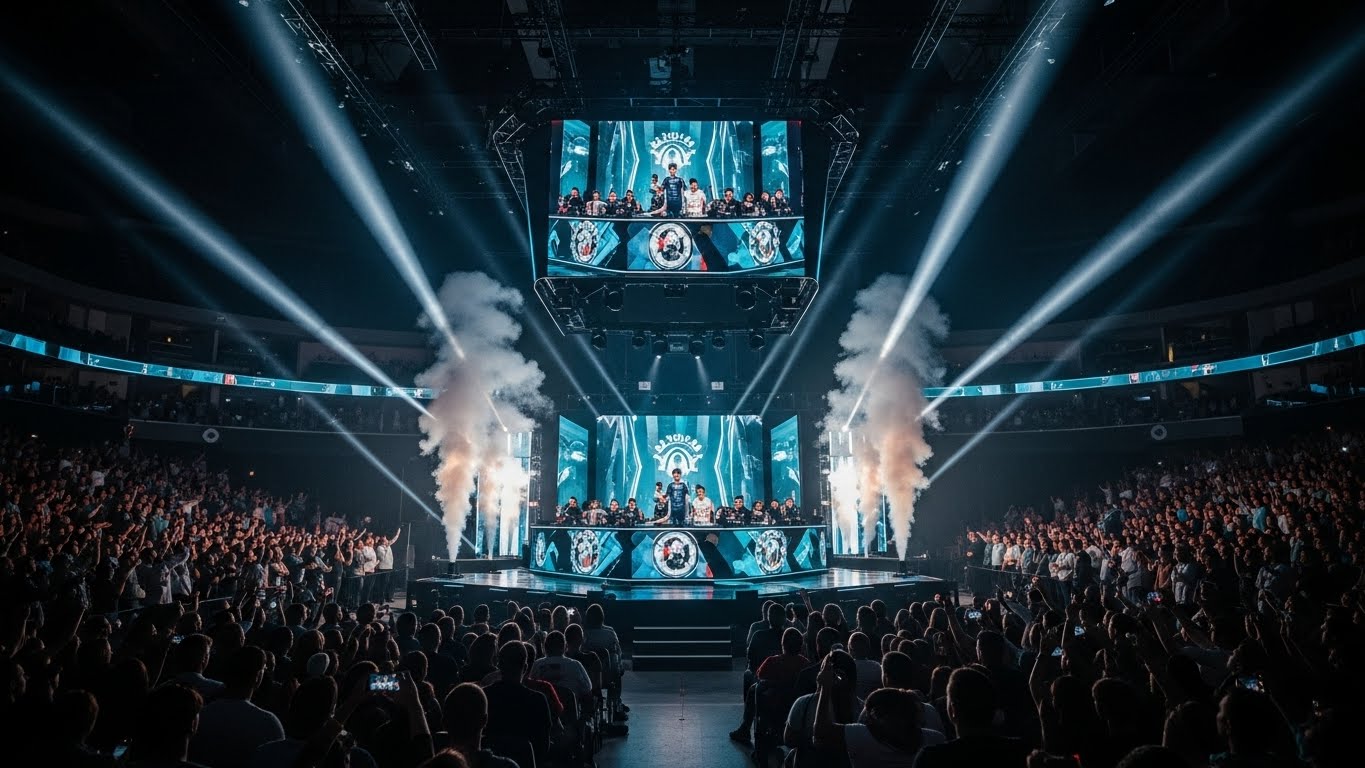
Esports, or electronic sports, has transformed from a niche hobby into a global phenomenon that attracts millions of viewers, players, and investors. Once dismissed as mere video game playing, esports is now recognized as a legitimate form of competition, entertainment, and even career opportunity. With professional leagues, massive tournaments, and sponsorships rivaling traditional sports, esports has become an integral part of modern culture. This blog explores the evolution, impact, and future of esports, shedding light on why it is here to stay.
The Evolution of Esports
Esports has come a long way since its early beginnings in the 1970s and 1980s, when simple arcade competitions were held. The real turning point occurred in the 1990s with the rise of multiplayer PC games such as Quake and StarCraft. These games allowed players to compete against each other online, paving the way for organized tournaments. The creation of dedicated esports organizations and leagues in the early 2000s further legitimized the competitive gaming scene.
With the launch of streaming platforms, esports reached a wider audience than ever before. Platforms such as Twitch and YouTube allowed fans to watch live competitions from the comfort of their homes. Today, major tournaments like The International, League of Legends World Championship, and the Overwatch League attract millions of viewers worldwide, rivaling traditional sporting events in popularity and excitement.
Understanding the Different Types of Esports Games
Esports is not limited to a single type of game. There are multiple genres, each with unique competitive dynamics:
1. Multiplayer Online Battle Arenas (MOBAs): Games like League of Legends and Dota 2 fall under this category. Players work in teams to destroy the opposing team’s base while controlling unique characters, known as heroes or champions. MOBAs require strategy, communication, and individual skill.
2. First-Person Shooters (FPS): FPS games such as Counter-Strike: Global Offensive and Call of Duty focus on precision, reflexes, and tactical gameplay. Players compete individually or in teams to achieve objectives like eliminating opponents or capturing points.
3. Real-Time Strategy (RTS): RTS games like StarCraft II demand strategic thinking and resource management. Players control units and resources to defeat their opponents, often requiring quick decision-making and long-term planning.
4. Sports Simulation Games: Titles like FIFA and NBA 2K bring the excitement of traditional sports into the digital realm. Competitive play mirrors real-life sports, with teams and players battling for victory in virtual leagues.
5. Battle Royale Games: Popularized by Fortnite and PUBG, battle royale games drop players into large maps where they fight to be the last person standing. These games combine survival, strategy, and fast-paced action, making them highly engaging for both players and spectators.
The Global Impact of Esports
Esports has a significant cultural, economic, and social impact across the globe. One of the most visible effects is the rise of esports as a career path. Professional players can earn substantial incomes through tournament winnings, sponsorships, streaming, and team salaries. Some of the top players in the world earn millions of dollars annually, rivaling athletes in traditional sports.
Economically, esports has created a massive industry that encompasses game development, streaming platforms, event management, marketing, and merchandising. Major corporations have taken notice, sponsoring tournaments, signing esports ambassadors, and investing in esports teams. This has led to the professionalization of esports, with structured leagues, training programs, and rigorous competition schedules.
Culturally, esports has helped bridge gaps between communities worldwide. Online gaming allows players from different countries, languages, and backgrounds to compete and collaborate. This has fostered a global community bound by a shared passion for gaming. Fans attend live events, participate in online forums, and engage with content creators, forming a vibrant ecosystem around competitive gaming.
Esports and Education
Esports is also making its way into education. Many universities now offer scholarships for esports athletes, recognizing gaming as a legitimate skill. Academic programs related to game design, esports management, and digital media are emerging, providing students with opportunities to turn their passion into a career. Schools are establishing esports clubs and intramural leagues, teaching teamwork, strategic thinking, and problem-solving in a digital environment.
Furthermore, esports promotes soft skills such as communication, leadership, and adaptability. Players learn to handle high-pressure situations, make quick decisions, and collaborate effectively with teammates. These skills are transferable to various professional and personal contexts, making esports a valuable learning tool.
Challenges Facing the Esports Industry
Despite its growth, esports faces several challenges. One major concern is player burnout. Professional gamers often practice for long hours under intense pressure, leading to physical and mental health issues. Ensuring the well-being of players is a critical priority for teams and tournament organizers.
Another challenge is maintaining fair play. Cheating, hacking, and account manipulation remain persistent problems in competitive gaming. Developers and organizers must invest in security measures, anti-cheat systems, and regulations to uphold the integrity of competitions.
Esports also grapples with societal perceptions. While acceptance has grown, some critics still view gaming as a pastime rather than a legitimate profession. Changing this mindset requires continued advocacy, education, and the showcasing of esports as a serious, skill-based industry.
The Role of Technology in Esports
Technology plays a central role in shaping esports. High-speed internet, powerful gaming hardware, and advanced graphics allow for seamless gameplay and immersive experiences. Streaming technology has made esports accessible to a global audience, with real-time commentary, interactive chats, and virtual fan engagement enhancing the spectator experience.
Virtual reality (VR) and augmented reality (AR) are also beginning to influence esports. These technologies promise new ways to compete and spectate, potentially transforming the industry further. AI-driven analytics help teams optimize strategies, track performance, and scout talent, making competitions more competitive and data-driven.
The Future of Esports
The future of esports looks incredibly promising. With growing audiences, increasing investment, and technological advancements, esports is poised to continue its rapid expansion. We can expect more global tournaments, cross-platform competitions, and even integration with traditional sports.
Esports may also expand into mainstream entertainment, with collaborations in movies, television, and music, further blurring the lines between gaming and popular culture. As virtual and augmented reality technologies mature, esports could offer even more immersive experiences, attracting fans in new and innovative ways.
Moreover, the inclusion of esports in multi-sport events, such as the Asian Games, signals a growing recognition of competitive gaming as a legitimate sport. This mainstream acceptance will likely open doors to new sponsorships, media coverage, and global partnerships.
Conclusion: Esports as a Cultural and Competitive Force
Esports has evolved from a niche pastime into a global cultural and competitive force. It has created new career opportunities, built vibrant communities, and revolutionized the way people interact with digital media. While challenges remain, the potential for growth and innovation in esports is immense.
The industry’s combination of technology, skill, strategy, and entertainment ensures that esports will remain a major player on the global stage for years to come. Whether as a spectator, player, or industry professional, there is no denying that esports has permanently changed the landscape of entertainment and competition. The journey of esports is far from over, and its influence will only continue to expand, shaping the future of sports, media, and digital culture.