arenabattle49
In recent years, esports has transformed from a niche hobby into a global cultural and economic powerhouse. Competitive gaming now rivals traditional sports in popularity, with millions of fans tuning in to watch live tournaments, follow professional players, and engage in online communities. Beyond entertainment, esports is reshaping the way we think about competition, teamwork, and career opportunities in the digital age. This article explores the rise of esports, its social and economic impact, and its potential to redefine the future of gaming and entertainment.
The Origins of Esports
Esports, short for electronic sports, traces its origins to the earliest days of video gaming. In the 1970s and 1980s, arcade competitions and local high-score contests laid the groundwork for organized gaming events. Classic games such as Pong, Space Invaders, and Pac-Man provided competitive experiences for players, creating early communities of gaming enthusiasts.
The 1990s marked a significant shift with the rise of multiplayer PC games such as StarCraft, Warcraft, and Counter-Strike. These games introduced strategy, team coordination, and online competition, allowing players to connect across distances and form professional gaming networks. The introduction of high-speed internet and streaming platforms in the 2000s accelerated this evolution, enabling global tournaments and fan engagement on an unprecedented scale.
Understanding Esports
Esports involves organized, competitive gameplay where players or teams compete in video games at amateur or professional levels. Unlike casual gaming, esports emphasizes skill, strategy, and consistent practice. Players train for hours each day, refining reflexes, tactical thinking, and teamwork to compete at the highest level.
Esports encompasses various genres, including multiplayer online battle arenas, first-person shooters, fighting games, real-time strategy games, and sports simulations. Titles such as League of Legends, Dota 2, Fortnite, and Call of Duty have become staples of competitive gaming, each requiring unique skill sets, coordination, and strategic planning.
The Growth of the Esports Industry
The esports industry has experienced exponential growth over the last decade. Global revenue from esports now reaches billions of dollars annually, fueled by sponsorships, merchandise, advertising, ticket sales, and media rights. Streaming platforms dedicated to gaming content allow fans to watch live tournaments, follow professional players, and engage with global gaming communities.
Professional esports organizations have become highly structured, with coaching staff, analysts, and performance managers similar to traditional sports teams. This professionalization highlights the dedication required to compete at elite levels, elevating esports from a hobby to a respected form of competition worldwide.
Social Impact and Community Engagement
Esports is more than just gaming; it fosters connection and community. Online multiplayer games and tournaments provide opportunities for people to collaborate, communicate, and develop friendships across the globe. Players engage in team strategies, share knowledge, and form lasting social bonds, creating inclusive digital spaces.
One of the most notable aspects of esports is its accessibility. Unlike traditional sports, which may require specific physical abilities or facilities, esports allows individuals of diverse backgrounds and physical capabilities to compete equally. This inclusivity has cultivated a global network of players, fans, and communities that transcend borders and cultural differences.
Mental and Cognitive Benefits
Competitive gaming demands high levels of concentration, strategic thinking, and quick decision-making. Esports athletes analyze complex scenarios, anticipate opponents’ actions, and adapt strategies in real-time. This constant mental engagement enhances cognitive abilities such as problem-solving, multitasking, and critical thinking.
Esports also fosters resilience and emotional intelligence. Players encounter both victories and defeats, learning to manage pressure, cope with stress, and maintain focus during high-stakes competition. These lessons translate to real-world situations, where perseverance, patience, and adaptability are essential skills.
Professional Esports and Career Opportunities
The rise of esports has opened up numerous career paths beyond playing professionally. Individuals can work as coaches, analysts, tournament organizers, commentators, and content creators. Esports organizations also employ marketing teams, event managers, social media specialists, and technical support staff to maintain operations and grow their fan base.
Streaming and content creation provide additional opportunities. Platforms that allow live gameplay broadcasting have created careers where players earn income through fan subscriptions, sponsorships, and advertisements. These avenues highlight esports as a legitimate profession, demonstrating that gaming can be a sustainable and rewarding career.
Esports as a Cultural Phenomenon
Esports has grown into a cultural movement, influencing media, entertainment, and lifestyle trends. Professional players have dedicated fan followings, similar to traditional athletes. Fans engage with esports through merchandise, social media, and live events, creating a shared cultural identity.
The popularity of esports challenges traditional perceptions of sports. It proves that skill, teamwork, and competition are not limited to physical activity but can thrive in digital arenas. This cultural shift has elevated esports, gaining recognition as a legitimate form of competition and entertainment across the globe.
Challenges Facing Esports
Despite its success, esports faces challenges. The intense pressure of competition can lead to burnout, mental fatigue, and physical strain. Lack of standardized regulations and player protections in some regions may exacerbate these issues.
Additionally, esports communities occasionally struggle with toxicity, cheating, and harassment. Gender equality and diversity remain ongoing challenges, as some gaming environments are historically male-dominated. Addressing these concerns is critical to fostering a healthy, inclusive, and sustainable esports ecosystem.
Technology and Innovation in Esports
Technology is at the core of esports development. Advanced gaming hardware, high-speed internet, and performance analytics allow players to compete at professional levels. Streaming platforms enable fans worldwide to watch live events, interact with players, and participate in online communities.
Innovations such as virtual reality, augmented reality, and artificial intelligence are shaping the future of esports. AI-powered analytics help teams strategize, predict opponents’ behavior, and optimize performance. These technological advancements continue to push the boundaries of competitive gaming and enhance the experience for both players and audiences.
Global Reach and International Tournaments
Esports has achieved a truly global presence. Countries across Asia, Europe, North America, and Latin America host competitive leagues, tournaments, and events. International competitions bring together players and fans from diverse backgrounds, fostering cross-cultural understanding and collaboration.
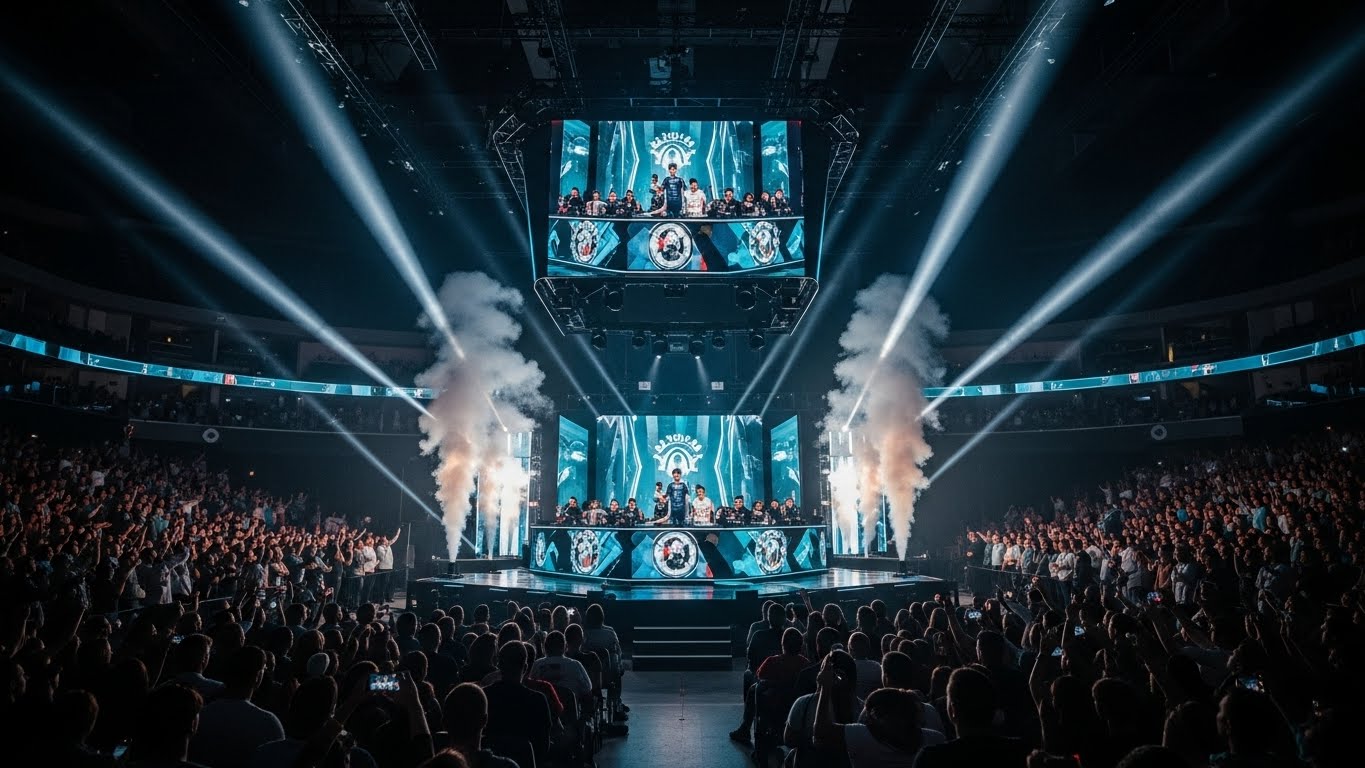
Major tournaments attract millions of viewers and generate significant economic impact, including tourism, job creation, and media attention. The global nature of esports demonstrates its ability to unite people through shared passion and competition, transcending geographic and cultural boundaries.
The Future of Esports
The future of esports is filled with possibilities. Emerging technologies will expand the ways players compete and audiences engage. New genres, platforms, and hybrid experiences will diversify the industry, attracting a wider audience and offering more opportunities for professional growth.
Educational institutions are increasingly recognizing esports, offering scholarships, training programs, and career pathways for aspiring athletes. This integration demonstrates that esports is not only entertainment but also a platform for personal development, leadership, and skill-building.
Conclusion: Esports as a Transformative Force
Esports has grown far beyond casual gaming competitions. It represents a dynamic industry that combines entertainment, technology, competition, and community. The social, cognitive, and professional benefits of esports highlight its transformative impact on individuals and society.
By challenging traditional notions of sports, fostering global connections, and providing career opportunities, esports has redefined what it means to compete in the modern world. With millions of players, fans, and professionals worldwide, esports is not merely a trend—it is a cultural and economic force shaping the future of digital entertainment.
Esports proves that passion, strategy, and skill can thrive in virtual arenas just as they do on physical fields. Its rapid growth and global influence demonstrate the power of technology to connect people, inspire excellence, and create new opportunities. The world of esports is expanding, and its potential continues to unfold, offering an exciting glimpse into the future of competition, entertainment, and human achievement.