arenabattle49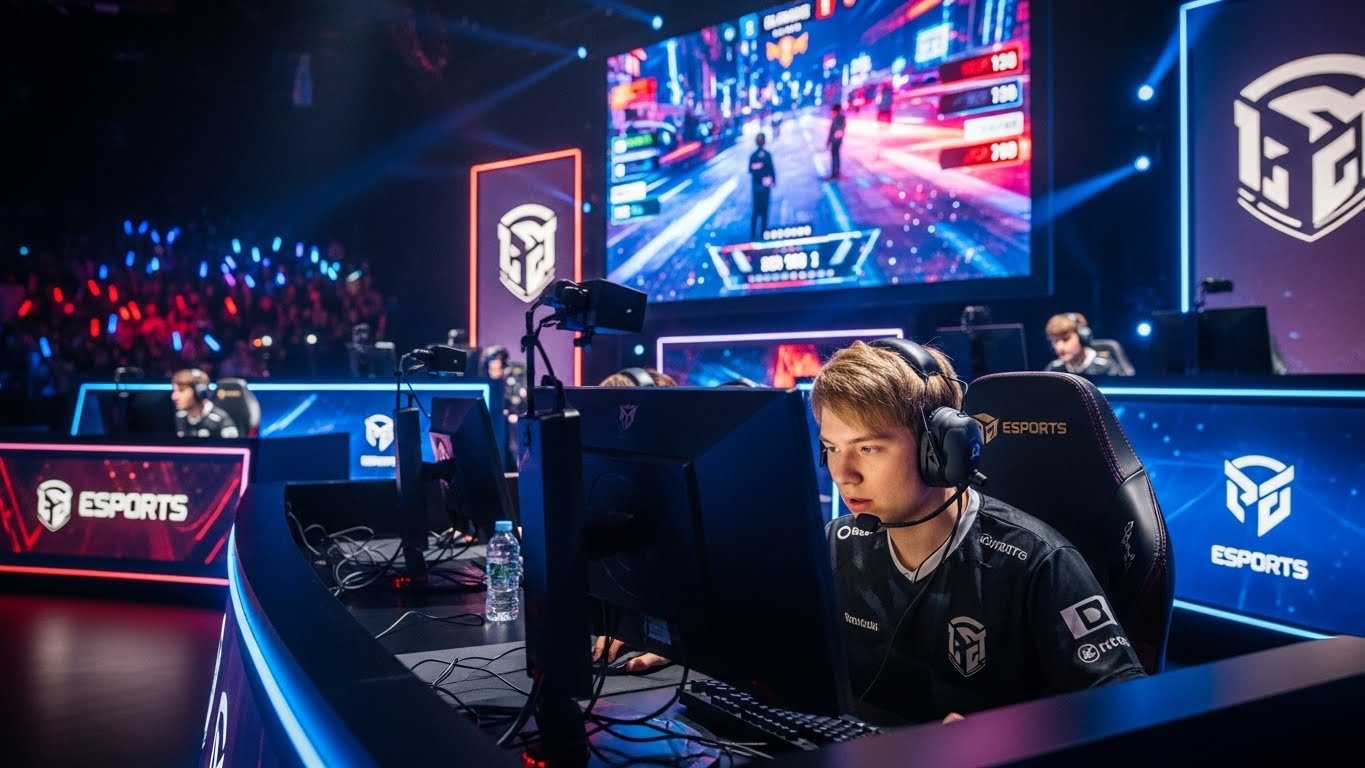
Esports has transformed from a niche interest among dedicated gamers into a worldwide entertainment powerhouse. What once took place in small gaming cafés and local tournaments is now watched by millions across the globe, attracting sponsors, professional teams, massive prize pools, and mainstream recognition. As technology, culture, and competition converge, esports has emerged as one of the most dynamic industries of the modern era.
Understanding the Rise of Esports
Esports, short for electronic sports, refers to organized competitive video gaming where individuals or teams compete in various game titles. These competitions range from small online tournaments to large-scale events held in stadiums filled with cheering fans. The concept has existed for decades, but technological advancements, online connectivity, and global interest have propelled esports to new heights.
Today, esports is not only a form of entertainment but also a legitimate career path for thousands of players, coaches, analysts, and content creators. As digital entertainment continues to grow, esports is positioned at the forefront of this cultural shift.
Early History of Competitive Gaming
Competitive gaming traces its roots back to the early days of arcade machines, where high-score contests were common. The 1980s and 1990s saw the first major tournaments, including early console competitions and strategy game battles on emerging computer platforms. These early events laid the foundation for modern esports by establishing the idea that video games could be a serious competitive pursuit.
The rise of high-speed internet in the 2000s dramatically changed the landscape. Online multiplayer games allowed players to compete globally, forming communities and fueling competitive scenes across different genres. This era marks the true beginning of esports as we know it today.
Popular Esports Genres
Esports spans multiple game genres, each offering unique competitive formats and fan experiences. Some of the most popular genres include:
Multiplayer Online Battle Arenas
Games in this genre require teams to compete strategically, often on symmetrical maps, with characters offering specialized abilities. The teamwork, strategy, and fast-paced action make them extremely popular in the esports community.
First-Person Shooters
These games challenge players’ reflexes, accuracy, and tactical awareness. Competitive leagues draw massive audiences thanks to intense gameplay and fast decision-making.
Real-Time Strategy
This genre demands critical thinking, resource management, and strategic planning. Mastery requires deep understanding of mechanics and split-second execution.
Battle Royale
In these games, many players compete on a shrinking map until only one remains. Their unpredictability and high-stakes gameplay attract both casual fans and competitive enthusiasts.
Sports and Racing Games
Digital versions of real-world sports offer a familiar competitive format, blending traditional sports fandom with esports excitement.
Each genre attracts its own fan base and professional ecosystem, contributing to the diversity and growth of the esports industry.
The Professional Esports Athlete
Professional esports players undergo rigorous training, often practicing for several hours a day to develop skills, strategies, and team coordination. Contrary to stereotypes, esports athletes follow structured routines that include physical fitness, mental training, and strict discipline.
Teams employ coaches, analysts, nutritionists, and psychologists to support player performance. The competitive nature of esports requires not only game mastery but also resilience, teamwork, and adaptability. Just like traditional athletes, esports professionals face pressure, competition, and the demanding expectations of fans and organizations.
The Role of Teams and Organizations
Esports teams operate similarly to traditional sports clubs. They recruit talented players, hire coaching staff, manage training facilities, and participate in leagues and tournaments. Many esports organizations also build brands, sell merchandise, and create content to engage fans.
Some teams have gained global recognition, expanding their influence across multiple game titles. The commercial success of these organizations highlights the legitimacy and growing scale of competitive gaming.
Tournaments and Major Events
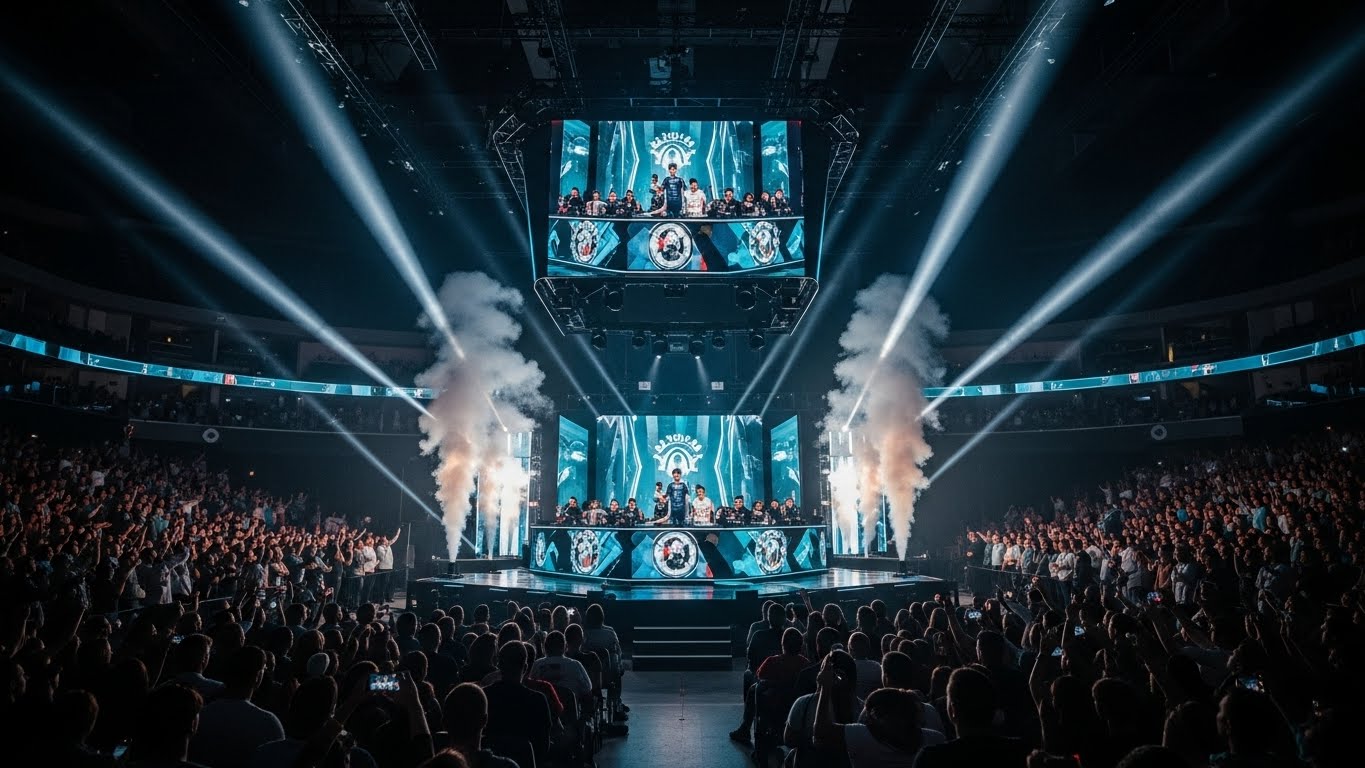
Esports tournaments range from online competitions to massive international events hosted in arenas. Major tournaments can attract viewership rivaling traditional sports, with fans tuning in from around the world to watch their favorite teams and players compete.
The atmosphere at live events is electric, featuring theatrical opening ceremonies, live commentary, audience interactions, and unforgettable moments of competition. These events strengthen the esports community, showcasing the passion and excitement that define the industry.
The Esports Audience
The esports audience is young, global, and engaged. Fans follow players and teams on social media, watch live matches, interact through online communities, and often participate in gaming themselves.
This unique audience has made esports appealing to sponsors and brands seeking to reach a demographic that values digital content, interactivity, and authenticity. The engagement of esports fans contributes significantly to the industry’s rapid growth and commercial success.
Streaming and Content Creation
Streaming platforms play a central role in the popularity of esports. Fans can watch live matches, follow their favorite players, and engage through chat. Content creators also contribute to the ecosystem by sharing gameplay, tutorials, behind-the-scenes content, and entertainment tailored to gaming communities.
This combination of professional competition and casual content creates an interconnected ecosystem in which players transition between competitor, influencer, and entertainer, expanding their reach and building personal brands.
Economic Impact of Esports
Esports has become a multi-billion-dollar industry, generating revenue from sponsorships, advertising, merchandise, media rights, and ticket sales. Game developers, tournament organizers, teams, streaming platforms, and content creators all contribute to this thriving economy.
As more industries recognize the potential of esports, investments continue to grow. Technology companies, traditional sports clubs, and entertainment brands have entered the esports space, further promoting its legitimacy and expanding its global reach.
Education and Career Opportunities
Esports has introduced new educational and career opportunities. Universities and colleges now offer esports scholarships, training programs, and degrees in areas such as game design, esports management, and digital marketing.
Career paths extend beyond professional playing. Many roles support the ecosystem, including event organizers, analysts, coaches, commentators, production specialists, marketers, and content creators.
The expanding career options demonstrate how esports has evolved into a multifaceted industry that provides long-term opportunities for passionate individuals.
The Social Impact of Esports
Esports fosters community, collaboration, and global connection. Players form friendships across borders, cultures, and languages through shared gaming experiences. Events bring people together, creating spaces where fans interact and celebrate their passion.
Esports has also become a platform for inclusivity, offering opportunities for individuals who may not engage with traditional sports. It empowers players to express themselves, develop confidence, and build social skills within supportive communities.
Challenges Facing the Esports Industry
Despite its rapid growth, esports faces several challenges. Player burnout, intense competition, and physical strain highlight the need for better health and wellbeing support. Regulation is another concern, as competitive integrity, fair play, and athlete contracts require oversight.
The industry must also continue improving diversity and accessibility to ensure an inclusive environment. Addressing these challenges will be crucial for sustaining long-term success and maintaining trust among players and fans.
The Future of Esports
The future of esports looks incredibly promising. Advances in virtual reality, artificial intelligence, cloud gaming, and interactive streaming will continue shaping the industry. Larger prize pools, more professional leagues, and increased mainstream visibility are expected as esports becomes further integrated into global culture.
New game genres, innovative competition formats, and hybrid events combining digital and physical experiences will enhance engagement and attract new audiences. With strong community support and technological innovation, esports will continue evolving into one of the most influential entertainment industries of the modern world.
Conclusion
Esports has grown from small local competitions into a global force that inspires millions. Its blend of technology, competition, community, and entertainment reflects the spirit of modern culture. Professional players, passionate fans, innovative technology, and dynamic storytelling all contribute to the vibrant world of esports.
As the industry continues to expand, esports will remain a defining phenomenon of the digital age. With its unique ability to connect people, entertain audiences, and create new opportunities, esports has secured its place as one of the most exciting and influential areas of modern entertainment.