arenabattle49
Introduction: A New Era in Sports Entertainment
Esports, or electronic sports, has emerged as one of the fastest-growing sectors in entertainment, attracting millions of viewers and transforming gaming from a casual hobby into a professional, highly competitive industry. Once considered a niche pastime, esports has now become a global phenomenon, creating career opportunities, international tournaments, and massive fan followings. This digital revolution demonstrates how technology and human creativity can merge to produce new forms of competition and entertainment. As the line between traditional sports and digital sports blurs, esports has proven itself not just as a pastime but as a cultural movement shaping the future of entertainment.
The Origins of Competitive Gaming
The roots of esports date back decades, beginning with local competitions in arcades and computer labs. Players competed for high scores and recognition among their peers. Early titles like Pac-Man, Space Invaders, and Tetris sparked the initial wave of gaming competitions, often limited to small groups due to technological constraints. In the late 1990s and early 2000s, multiplayer PC games such as StarCraft, Counter-Strike, and Warcraft introduced organized competition with structured tournaments, bringing together players from around the globe. These foundational years established the core elements of esports: skill, strategy, teamwork, and entertainment. Even in these humble beginnings, the competitive spirit and desire for recognition foreshadowed the professional landscape of modern esports.
The Role of the Internet in Global Expansion
The rise of high-speed internet transformed gaming and made esports a global enterprise. Online multiplayer platforms allowed players to connect and compete across countries and continents, creating communities united by shared passion. Internet cafes, particularly in Asia, became incubators for competitive gaming, nurturing players who would later become professional stars. Global connectivity enabled online tournaments, ranking systems, and streaming platforms, which brought players and fans closer together. With technological infrastructure supporting real-time competition, esports evolved from casual matches into organized events, allowing fans worldwide to follow their favorite players and teams.
Professional Teams and the Business of Esports
The growth of esports attracted investors and organizations eager to turn competitive gaming into a profitable industry. Professional teams now operate like sports franchises, complete with coaches, analysts, nutritionists, and sponsorship deals. Players train rigorously, often dedicating more than ten hours a day to practice, strategy, and teamwork. Leagues and tournaments, including international championships, provide structured competition and prize pools that rival traditional sports. Sponsorships from major brands, advertising deals, and merchandise sales have transformed esports into a multi-billion-dollar industry. As teams continue to grow, professionalization ensures long-term sustainability, elevating esports from a hobbyist pastime to a viable career path.
Iconic Esports Titles and Their Impact
Different games have shaped esports in unique ways, attracting diverse audiences and competitive styles. Multiplayer online battle arena games like League of Legends and Dota 2 emphasize strategy, coordination, and split-second decision-making. Tactical shooters like Counter-Strike and Valorant demand precision, reflexes, and teamwork. Real-time strategy games such as StarCraft test resource management and planning under pressure, while sports simulations like FIFA and NBA 2K appeal to fans of traditional sports seeking a digital alternative. Each title contributes to the overall growth of esports, providing variety that caters to different interests and keeping audiences engaged. This diversity ensures that esports remains accessible and appealing to a broad demographic.
Streaming and the Spectator Experience
Live streaming platforms have been crucial to esports’ rise, allowing fans to watch tournaments, interact with players, and become part of a digital community. Platforms enable real-time engagement, transforming spectatorship into an interactive experience. Professional matches are streamed globally, sometimes reaching millions of viewers simultaneously, while individual players can stream their practice sessions, building personal brands and fan followings. The streaming revolution has democratized access to esports, allowing even small-scale tournaments to reach a global audience. This accessibility has strengthened fan loyalty and contributed to the growth of esports as a mainstream form of entertainment.
Infrastructure and Support Systems in Esports
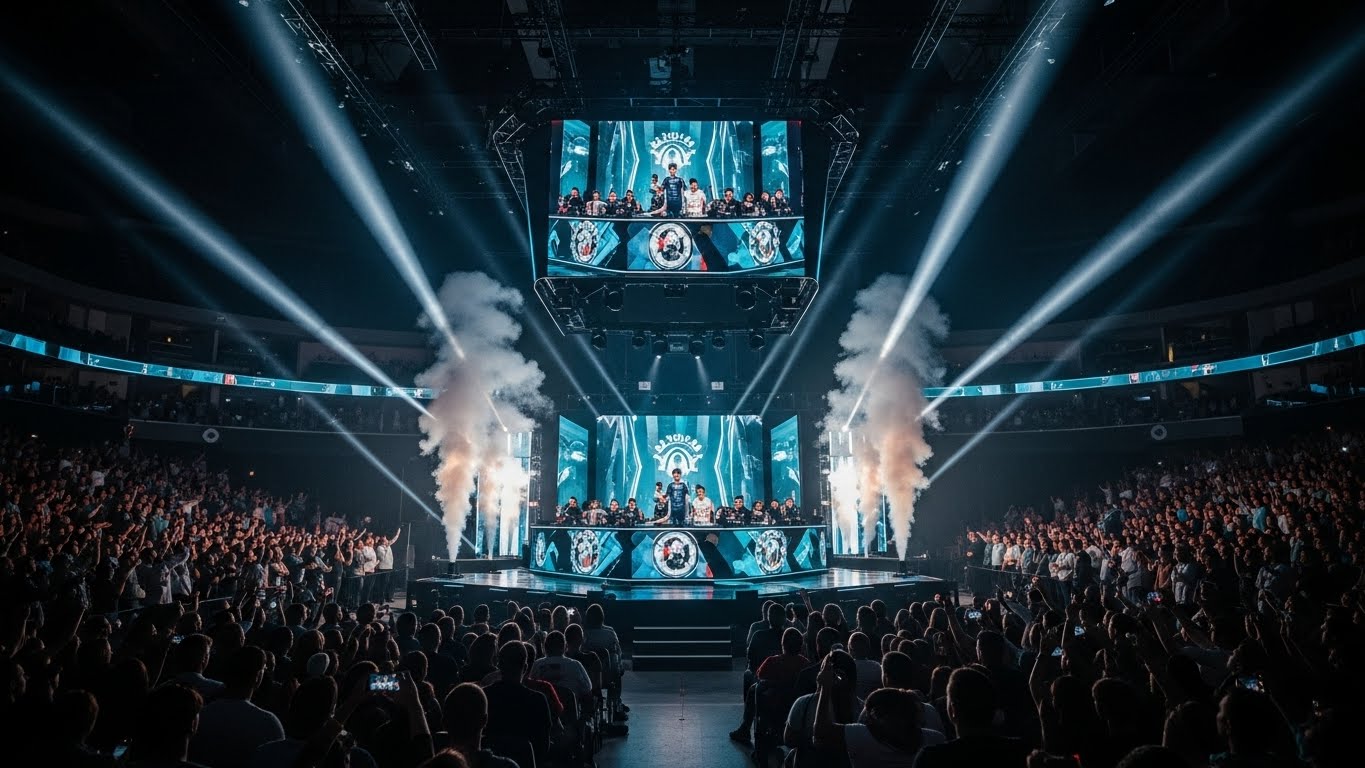
Professional esports organizations invest heavily in infrastructure to support player development and performance. Training facilities, gaming houses, analysts, mental health professionals, and nutritionists have become integral to team success. Universities and educational institutions offer esports scholarships, while specialized academies train young talent for professional careers. Technology companies create high-performance gaming equipment tailored to competitive play, and event organizers build arenas specifically designed for esports tournaments. These developments have professionalized the industry and provided players with the resources necessary to compete at the highest level. The combination of infrastructure and support systems ensures esports continues to evolve sustainably.
Esports and Mainstream Recognition
Esports has gained recognition from mainstream media and traditional sports organizations. Broadcasters now cover tournaments, highlighting player achievements and team dynamics, while sports franchises invest in esports teams, bridging the gap between digital and traditional competition. This crossover has increased public awareness, legitimized esports as a professional endeavor, and attracted audiences who might not have engaged with gaming previously. Esports has also influenced popular culture, with players becoming celebrities, teams inspiring merchandise and fan communities, and gaming terminology becoming widely recognized. The mainstream embrace of esports has solidified its status as a major entertainment industry.
Economic Influence and Industry Growth
The economic impact of esports is substantial, encompassing sponsorships, advertising, merchandise sales, tournament prize pools, and streaming revenue. Leading esports events offer multimillion-dollar prizes, while top players earn salaries and endorsements rivaling traditional athletes. Mobile esports, particularly in regions with high smartphone usage, has expanded the industry’s reach, creating additional revenue streams. The financial growth of esports has encouraged further investment, infrastructure development, and professionalization. As audiences continue to grow, the industry is poised for sustained expansion, demonstrating that competitive gaming is more than a trend—it is a significant economic and cultural force.
Cultural Significance and Community
Esports has become a defining cultural phenomenon for the digital generation. Gaming communities, fan conventions, and international tournaments foster social interaction, creativity, and shared experiences. Players and teams become cultural icons, influencing fashion, music, and entertainment. Esports encourages collaboration, strategic thinking, and adaptability, providing both players and fans with a sense of belonging. These cultural dimensions extend beyond competition, highlighting the broader societal impact of esports as a medium that connects people globally and fosters a shared identity rooted in digital culture.
Challenges Facing Esports
Despite its successes, esports faces several challenges. Player burnout and mental health concerns are prominent due to intensive training schedules and performance pressure. Cheating, match-fixing, and unethical practices threaten the integrity of competition. Rapid technological changes and game updates require continuous adaptation from players and organizations. Additionally, the industry must navigate governance, regulation, and long-term sustainability to maintain credibility and protect both players and fans. Addressing these challenges is essential for the continued growth and professionalization of esports as a global industry.
The Future of Esports
The future of esports promises exciting developments. Emerging technologies such as virtual reality and augmented reality could redefine the competitive experience, creating immersive gaming environments. Educational programs will continue to expand, fostering structured development for aspiring professionals. Esports is expected to integrate further with mainstream entertainment, traditional sports, and global media. Mobile and cloud gaming will continue to broaden the audience, particularly in emerging markets. As the industry matures, esports will likely achieve recognition on the same level as traditional sports, cementing its position as a permanent fixture in the global entertainment landscape.
Conclusion: Esports as a Cultural and Competitive Revolution
Esports has grown from small-scale arcade competitions to a global phenomenon that shapes culture, economy, and entertainment. It represents a digital revolution where technology, skill, and community intersect, offering both players and fans a unique and immersive experience. The growth of esports highlights the evolving interests of the modern generation and demonstrates that digital competition can rival traditional sports in passion, excitement, and influence. As technology advances and the industry continues to expand, esports will remain a defining feature of contemporary entertainment, inspiring the next generation of gamers, spectators, and innovators worldwide.