arenabattle49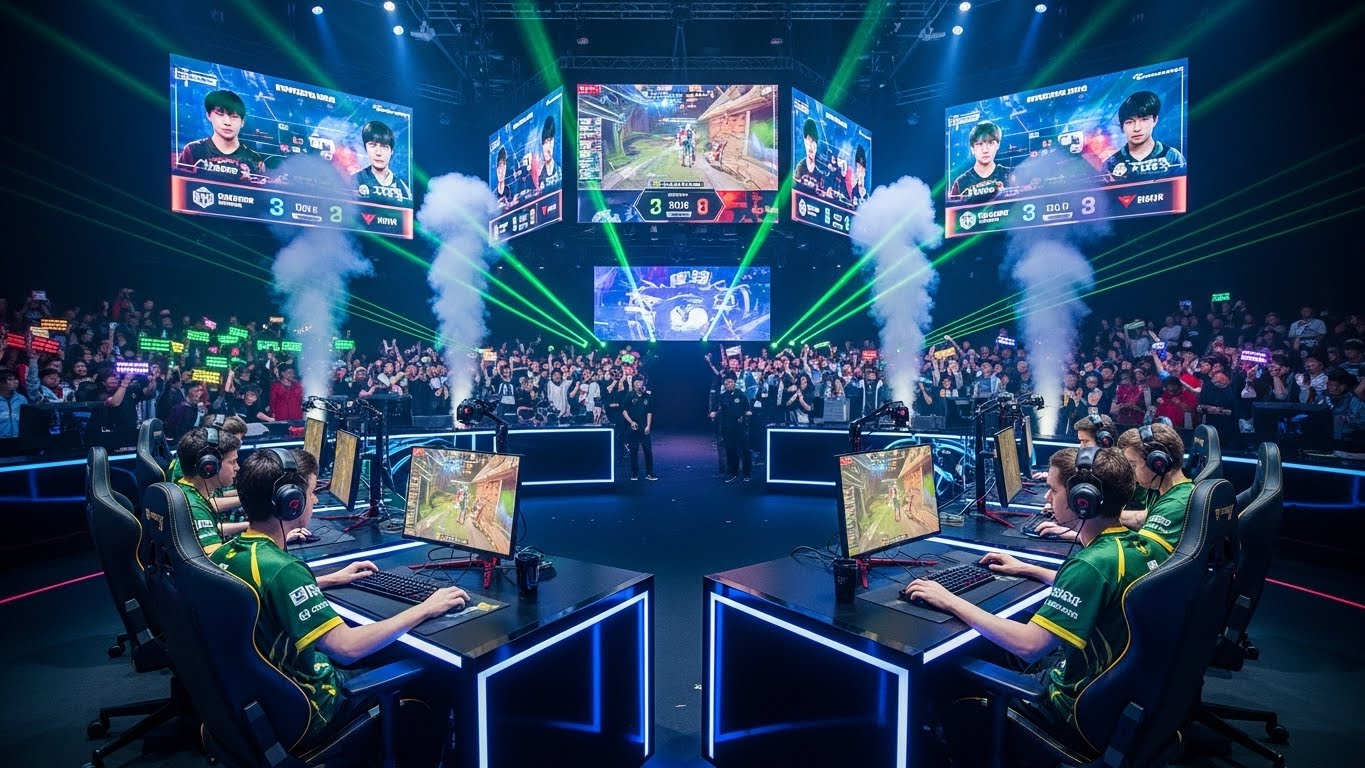
In recent years, esports has evolved from a niche subculture to a global phenomenon, captivating millions of players and viewers alike. From online multiplayer games like League of Legends to battle royale hits like Fortnite, esports now stands as a legitimate and thriving sector within the entertainment industry. The blend of competitive gaming, high-tech innovation, and passionate fanbases has propelled esports to a level of prominence never seen before. But how did it all begin, and what factors have fueled its rise?
In this blog post, we will explore the meteoric growth of esports, examine the elements contributing to its success, and dive into what the future holds for this exciting industry.
What is Esports?
Esports, short for electronic sports, refers to competitive gaming where professional players, often part of organized teams or franchises, compete in video games at a high level. These competitions can take place both online and in physical arenas, with tournaments attracting huge crowds and offering significant prize money. The games played in esports can range from first-person shooters (FPS) like Counter-Strike to real-time strategy (RTS) games like StarCraft II or multiplayer online battle arenas (MOBA) like Dota 2.
The idea of playing video games competitively isn’t new, but the way it has evolved in recent years, especially in terms of commercial viability, infrastructure, and cultural influence, has been nothing short of revolutionary.
The Early Days: From LAN Parties to Global Tournaments
The roots of esports can be traced back to the early days of multiplayer gaming in the late ’90s and early 2000s. Games like Quake and StarCraft fostered early competitive communities. Players would gather at local-area network (LAN) parties to compete against each other in these games, sharing a common passion for skill-based competition.
As internet connectivity improved, players began to participate in online tournaments. The formation of organized events, such as The Cyberathlete Professional League (CPL) in the early 2000s, brought competitive gaming to the forefront. These events, while modest by today’s standards, laid the foundation for what would become a multi-billion-dollar industry.
It wasn’t until the mid-2000s, however, that esports began gaining real traction. The Korean esports scene, driven by StarCraft, was instrumental in this growth, with televised tournaments attracting millions of viewers. By the late 2000s and early 2010s, large-scale events like The International (Dota 2’s premier tournament) and League of Legends‘ World Championship began drawing significant attention, not just from players but from sponsors, advertisers, and viewers.
Esports Today: A Thriving Global Industry
Fast forward to the present day, and esports is now a global powerhouse, with a diverse range of competitive titles, professional leagues, massive viewership, and celebrity-like players. What makes esports unique is its crossover between traditional sports and digital entertainment. It’s not just about the gameplay anymore—it’s also about the personalities, the community, and the spectacle.
A Multi-Billion Dollar Industry
Esports is not just a pastime anymore. It has turned into a billion-dollar industry, with projections showing that it will surpass $1.5 billion in revenue by 2025. This growth has been driven by multiple factors, including sponsorships, media rights, merchandising, and live-event ticket sales. Major companies like Coca-Cola, Intel, and Nike have signed on as sponsors, while streaming platforms like Twitch and YouTube have become key distribution channels.
The rise of esports has also brought a new wave of investments, with venture capitalists and sports teams alike pouring money into professional gaming. In fact, traditional sports teams, including the New York Knicks and the Dallas Cowboys, have established esports franchises to tap into this new market. These franchises often compete in city-based leagues like the Overwatch League or the Call of Duty League, further solidifying esports’ presence on the global stage.
A New Generation of Gamers and Viewers
Esports isn’t just for gamers. The audience for esports has expanded far beyond those actively participating. Streaming platforms like Twitch, YouTube, and Facebook Gaming have democratized access to these events, allowing millions of viewers to watch competitions live from the comfort of their homes. The appeal lies in the excitement of watching elite players push their skills to the limit in front of a global audience.
The demographic of esports fans is diverse but generally skews younger, with a significant portion of viewers between the ages of 18 and 34. This age group is highly engaged, often spending hours watching their favorite players and teams compete. The influence of social media and streaming has also made it easier for players to build large followings, increasing their marketability and value to sponsors.
Esports Infrastructure: Teams, Coaches, and Analysts
A significant aspect of esports’ growth is the professionalization of the industry. Teams now operate much like traditional sports franchises, with dedicated coaching staff, analysts, nutritionists, psychologists, and other specialists who help players perform at their best. These players are also increasingly viewed as athletes, requiring a strict regimen of training, practice, and mental conditioning.
In addition to professional teams, there has been a rise in the creation of amateur or semi-professional leagues that help bridge the gap between grassroots players and elite pros. The ladder system in games like League of Legends and Overwatch allows players to progress through rankings, eventually being noticed by teams scouting for talent. This democratization of esports means that anyone, anywhere, has the potential to break into the professional scene.
The Role of Coaches and Analysts
Coaches in esports have become just as important as players. A strong coach not only helps to strategize and prepare teams for matches but also plays a role in improving individual performance. Analysts, on the other hand, dissect every aspect of a game, from team compositions to minute mechanical details, providing crucial insights that shape how a team approaches future matches.
Players in esports now have access to world-class facilities and training environments. Organizations often create high-tech gaming houses where players live and practice together, helping to build team chemistry and refine strategies. This commitment to excellence has made esports a legitimate career path for many talented individuals, further fueling the industry’s expansion.
The Viewer Experience: From Stadiums to Streams
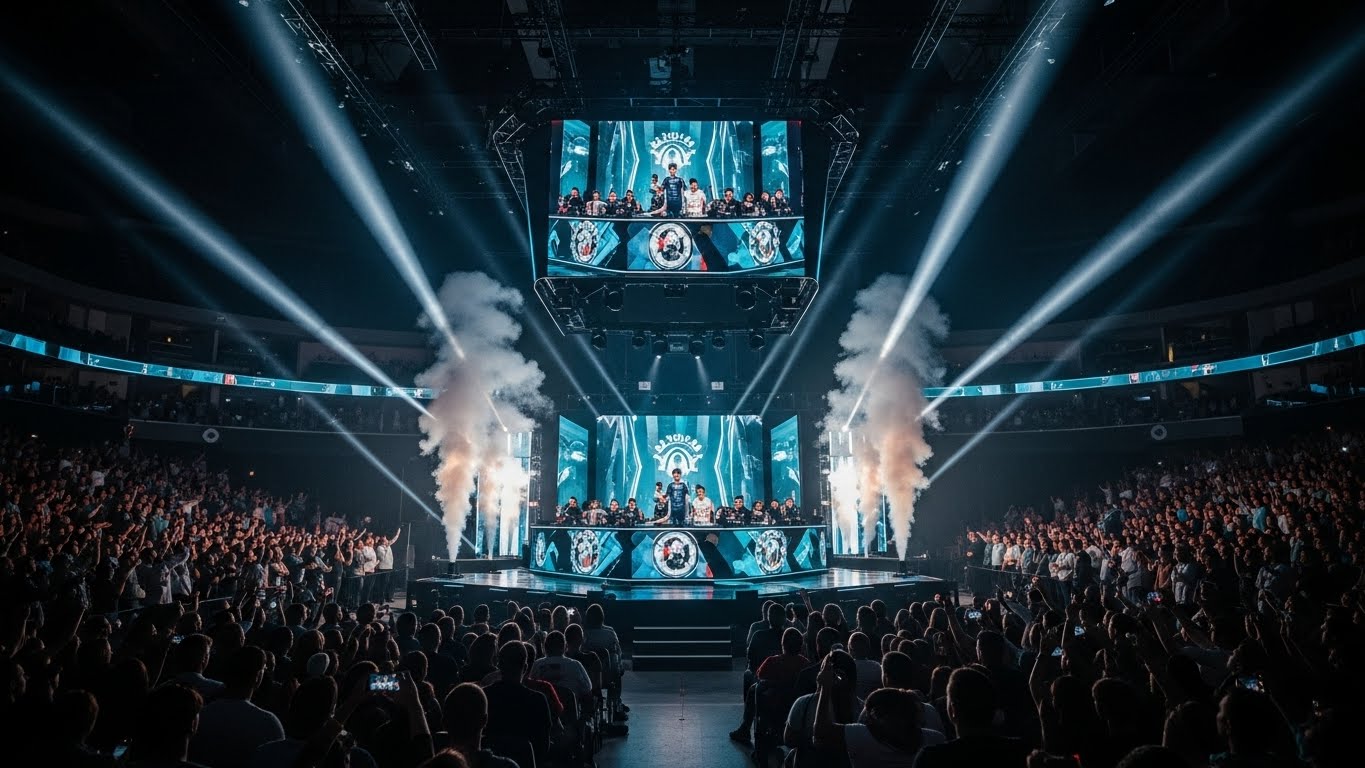
One of the unique features of esports is how it transcends the traditional boundaries of sports viewership. Esports tournaments often take place in massive arenas, filled with thousands of fans, similar to a football or basketball game. But the true global scale of esports comes from online streaming, with major events being broadcasted live to millions around the world.
Platforms like Twitch have been instrumental in growing the esports viewership, offering an interactive experience where fans can engage directly with players, commentators, and other viewers. The community aspect of esports is one of its most powerful draws, creating a sense of belonging and excitement that is unique to this form of entertainment.
Live commentary, detailed analysis, and in-game statistics have also helped make esports viewing more accessible and enjoyable for casual fans. Just like watching a football game with color commentators, esports fans have the opportunity to hear in-depth analysis, breakdowns of plays, and predictions on strategies, all of which enhance the viewing experience.
The Future of Esports
The future of esports looks bright, with several key developments on the horizon. The introduction of virtual reality (VR) and augmented reality (AR) technologies could revolutionize how esports is played and watched. As VR headsets become more affordable and widely adopted, the immersive nature of these platforms could bring esports to a new level, offering viewers a chance to “step into” the game and experience it from the player’s perspective.
Furthermore, as the mobile gaming market continues to grow, esports tournaments on mobile platforms like PUBG Mobile and Arena of Valor are expected to become more prominent, opening up new opportunities for players and viewers worldwide. Mobile esports may also help democratize competitive gaming, making it more accessible to people in regions where high-end gaming PCs or consoles are out of reach.
Another exciting possibility for esports lies in its integration with traditional sports. We may see more crossovers between physical sports and digital competitions, with events like the FIFA eWorld Cup already bridging the gap. Esports is also likely to continue growing in schools and universities, where students now compete in organized leagues, receiving scholarships and even degrees in esports management and related fields.
Conclusion
Esports has firmly established itself as a cultural and commercial force, with a rapidly expanding global following. Its growth from a subculture of gamers into a global industry has been propelled by technological advancements, a passionate community, and an ever-expanding market of viewers and players. With continued investment, innovation, and a growing pool of talent, esports is set to become an even more dominant force in the entertainment world.
As the digital landscape continues to evolve, esports will undoubtedly play a leading role in shaping the future of sports, gaming, and entertainment. For now, it’s clear that esports is not just a trend—it’s a digital revolution that has come to stay.