arenabattle49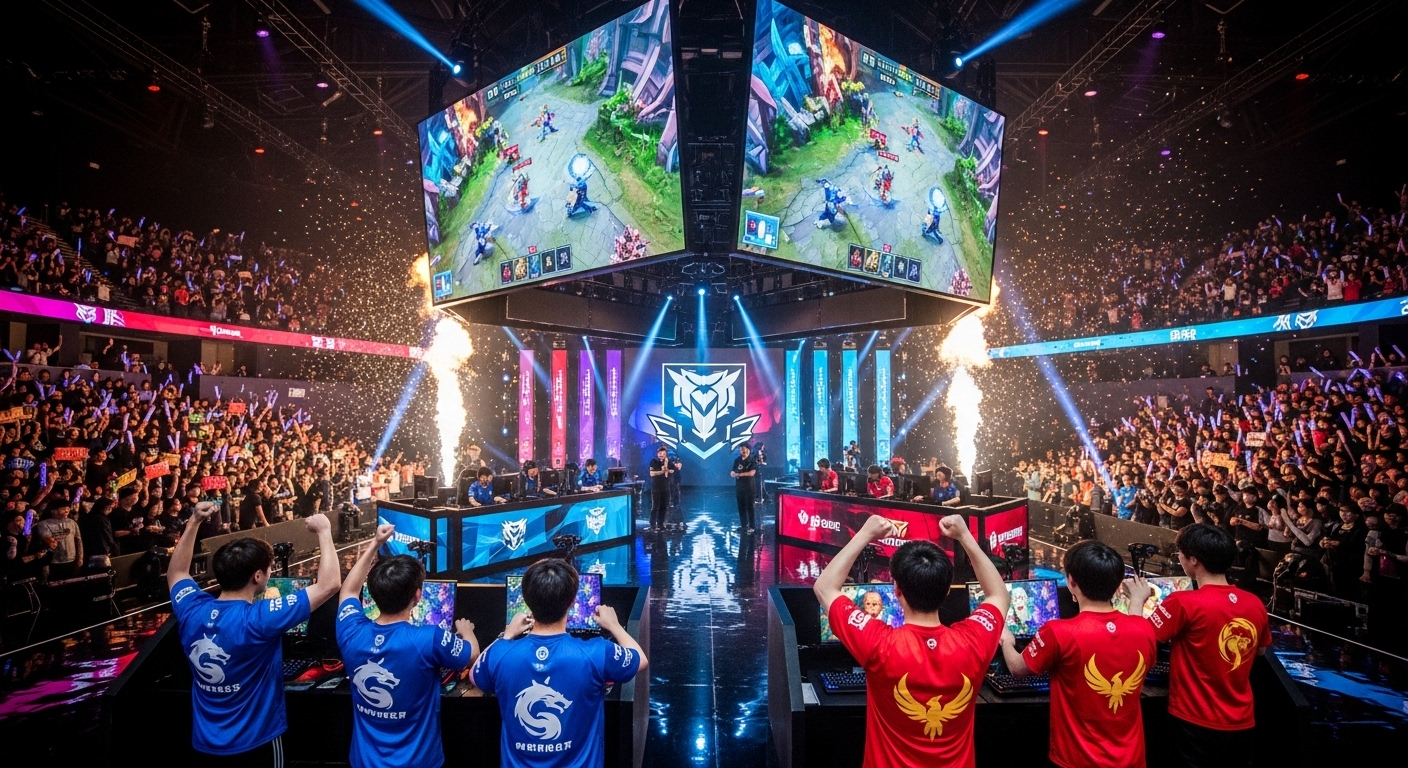
Introduction: Esports Emergence in the Modern World
In the past two decades, esports has transformed from a niche hobby into a global cultural phenomenon. With millions of players and fans worldwide, esports has redefined how people view competition, entertainment, and digital interaction. Unlike traditional sports, esports takes place entirely in a virtual environment, yet it demands the same dedication, skill, and strategic thinking as physical athletic competition.
Esports has created opportunities for professional players, content creators, coaches, and even spectators to engage with gaming in ways previously unimaginable. Beyond entertainment, it has become a platform for community building, career development, and technological innovation. This blog explores the multifaceted world of esports and its impact on individuals, society, and the future of competition.
The Origins of Esports: From Arcades to Global Arenas
Competitive gaming is not a recent phenomenon. It dates back to the 1970s and 1980s when players would compete in arcade games like Space Invaders and Pac-Man. Early competitions were small-scale, often limited to local gaming communities or school tournaments.
The real surge in esports occurred with the advent of personal computers and the internet. Games like StarCraft in South Korea, Counter-Strike globally, and League of Legends later became platforms for professional competition. These games introduced structured tournaments, team strategies, and fan followings, laying the foundation for the esports industry as we know it today.
Esports Competitions: Structure and Scale
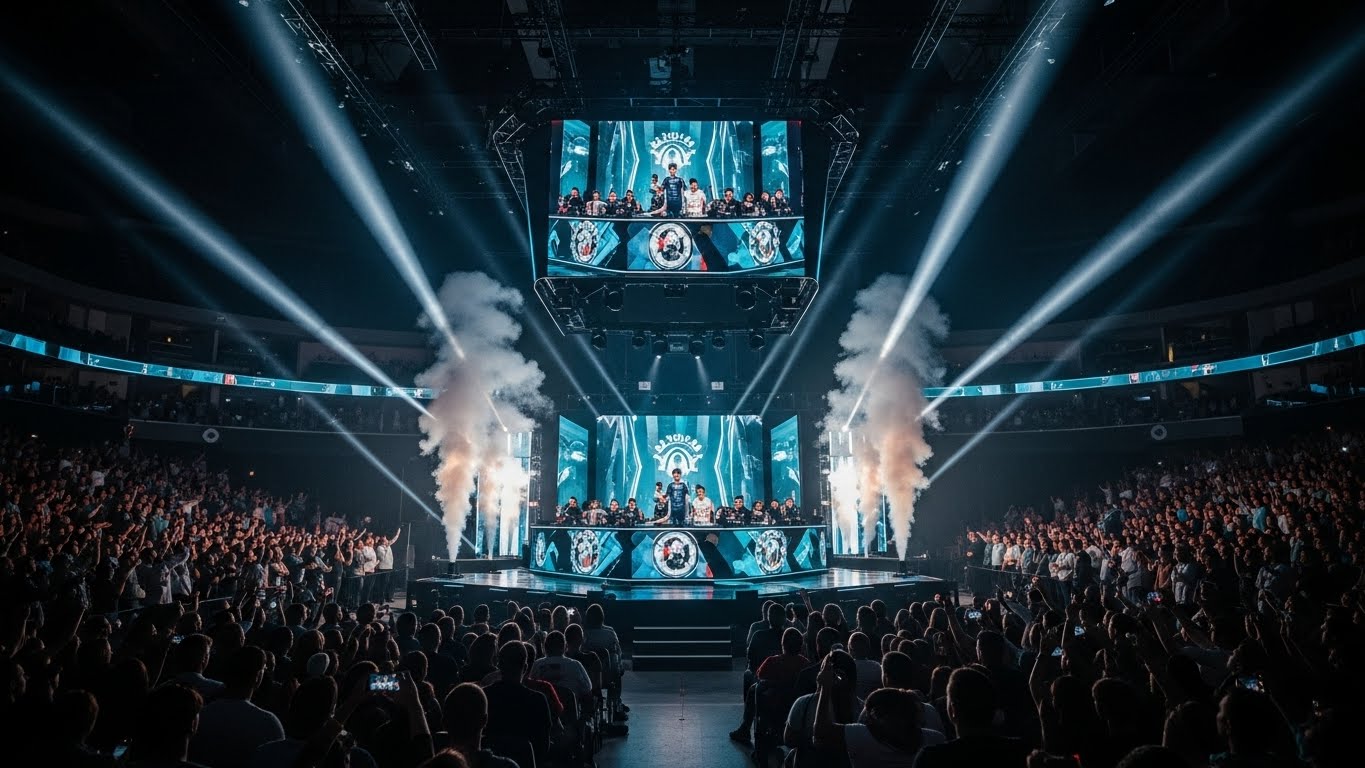
Esports competitions are meticulously organized, resembling traditional sports leagues. Professional players often belong to teams, train rigorously, and compete in tournaments with global audiences. These competitions range from small online events to massive international championships, drawing millions of viewers worldwide.
Popular events like The International for Dota 2, the League of Legends World Championship, and the Fortnite World Cup showcase the professionalization of esports. These tournaments feature multi-million-dollar prize pools, live broadcasts, and extensive media coverage, demonstrating that esports has evolved into a high-stakes competitive industry.
Skills Required for Esports Excellence
Success in esports demands a combination of mental acuity, physical dexterity, and strategic thinking. Reflexes, hand-eye coordination, and precise timing are critical, especially in fast-paced games. Strategic planning, resource management, and teamwork are essential in multiplayer and complex competitive games.
Endurance is another factor, as professional matches can last several hours. Mental resilience is vital to handle stress, maintain focus, and adapt to unpredictable scenarios. Only players who can combine these physical and cognitive skills consistently can reach elite levels in the esports arena.
Team Dynamics and Collaboration in Esports
Many esports games are team-based, emphasizing collaboration, communication, and strategy. Players must coordinate tactics, anticipate opponents’ moves, and execute plans under pressure. Success often hinges on synergy rather than individual skill alone.
Professional esports teams operate with coaches, analysts, and support staff who study opponents, develop strategies, and monitor performance. This level of organization mirrors traditional sports structures, reinforcing the legitimacy of esports as a professional competitive field.
Technology as the Backbone of Esports
Technology plays a central role in esports. High-performance gaming rigs, reliable internet connections, and specialized peripherals are essential for professional play. Streaming platforms allow millions of fans to watch live competitions, while social media provides tools for engagement, content creation, and community building.
Esports also drives innovation in gaming technology. Developers constantly refine games to balance competition, introduce new features, and enhance gameplay experiences. Emerging technologies such as virtual reality, augmented reality, and AI-driven analytics promise to reshape the esports landscape further, offering new ways to compete and spectate.
Economic Impact of Esports
Esports has become a billion-dollar industry, contributing significantly to global economies. Revenue streams include sponsorships, advertising, broadcasting rights, ticket sales, and merchandise. Major brands recognize esports’ influence over younger demographics, making it a key marketing platform.
Players themselves often achieve celebrity status, earning through tournament winnings, endorsements, and streaming revenue. The industry has created a diverse ecosystem with career paths in coaching, broadcasting, game development, event management, and content creation. Esports mirrors traditional sports economically, highlighting its legitimacy and global relevance.
Esports as a Career Path
Professional esports players dedicate extensive time and effort to practice, strategy, and performance optimization. Daily training schedules often exceed eight hours, focusing on technical skill, teamwork, and mental preparation. Careers in esports may be short-lived due to competition intensity and physical strain, but top players gain fame, financial stability, and a lasting legacy.
Beyond playing, careers in esports include coaching, analytics, commentary, and tournament organization. Universities and academies now offer esports programs, further legitimizing it as a professional field. The industry’s growth has transformed gaming from a hobby into a viable career path for talented individuals.
Cognitive and Social Benefits of Esports
Esports fosters cognitive skills such as problem-solving, critical thinking, multitasking, and rapid decision-making. Team-based games promote communication, collaboration, and leadership abilities. Strategic thinking in competitive gaming translates to improved mental agility in real-world situations.
Socially, esports provides a platform for interaction and community building. Online and offline tournaments allow players and fans to connect, share experiences, and form friendships. For many, esports provides not only entertainment but also a meaningful social network and sense of belonging.
Challenges and Criticisms in Esports
Despite its growth, esports faces several challenges. Physical issues such as repetitive stress injuries, eye strain, and sedentary lifestyle consequences can impact players. Mental health concerns, including burnout, stress, and anxiety, are common due to intense competition and public scrutiny.
The industry also struggles with cheating, toxicity in online communities, and inconsistent regulation. Addressing these challenges requires collaboration between game developers, tournament organizers, teams, and players to ensure fair, safe, and sustainable esports growth.
The Global Appeal and Cultural Impact of Esports
Esports has become a cultural phenomenon, uniting players and fans across countries, languages, and cultures. It has influenced fashion, music, entertainment, and even education. Major tournaments draw fans who celebrate their favorite players, teams, and games with passion similar to traditional sports fandom.
The popularity of esports has also led to academic recognition, with schools and universities offering programs, scholarships, and clubs dedicated to competitive gaming. This cultural acceptance signifies that esports is no longer a fringe activity but a mainstream form of competition and social engagement.
The Future of Esports
The future of esports is dynamic, technology-driven, and inclusive. Innovations such as virtual reality tournaments, cross-platform gaming, and AI-assisted training are expanding the possibilities of competitive play. The industry continues to attract diverse participants, breaking barriers of gender, nationality, and age.
Esports is increasingly integrated with mainstream entertainment, including collaborations with traditional sports leagues, streaming platforms, and media networks. As technology advances, esports will continue to grow, offering new experiences for players, fans, and professionals alike.
Conclusion: Esports as a Modern Competitive Revolution
Esports represents a new era of competition, entertainment, and digital culture. It combines skill, strategy, teamwork, and technological innovation to create experiences that engage millions worldwide. Beyond gameplay, esports fosters cognitive development, social connection, and career opportunities.
As esports continues to grow, it will shape the future of competition, redefining what it means to be an athlete in the digital age. The rise of esports demonstrates that competition is not limited to physical arenas—it thrives wherever skill, strategy, and passion converge. In the modern world, the digital arena has become a stage for human excellence, creativity, and global connection.