arenabattle49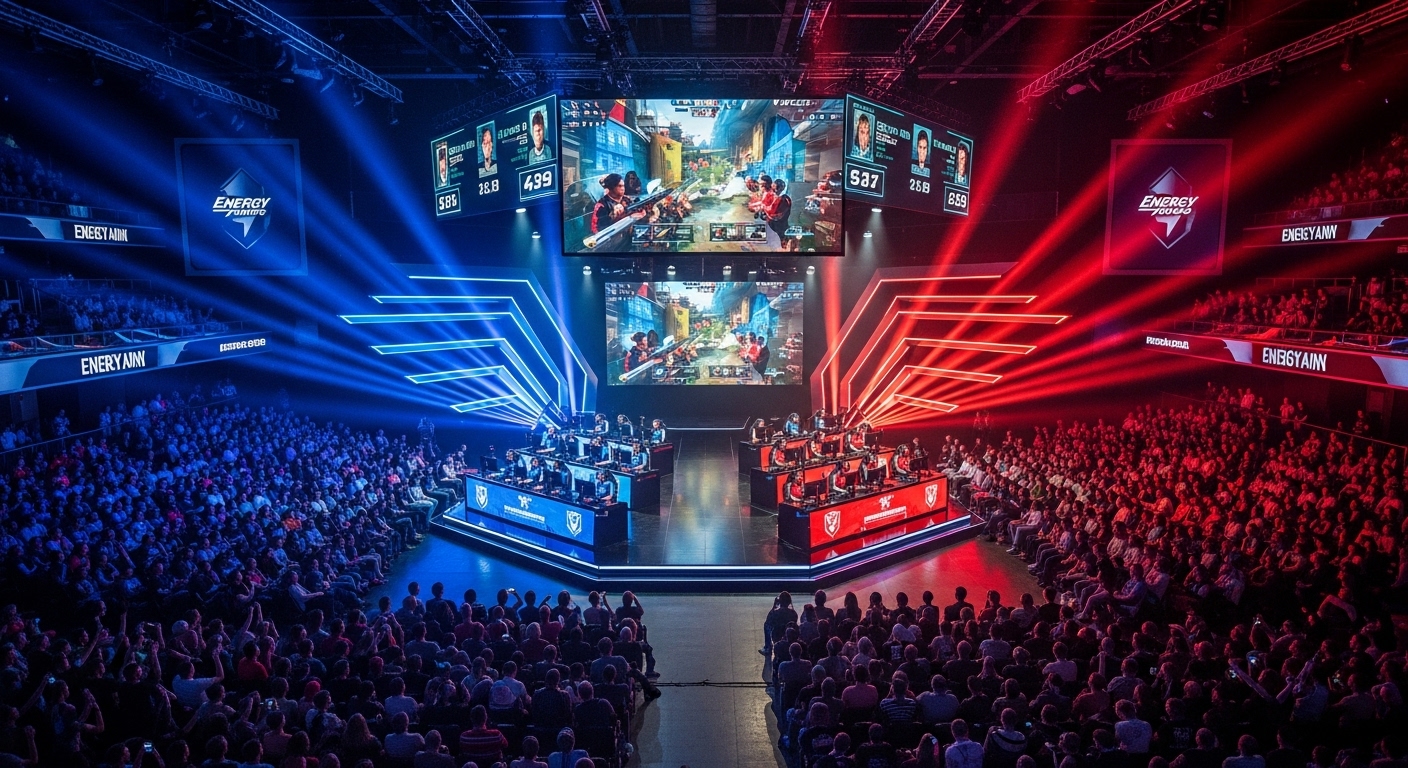
Introduction: The Rise of Competitive Gaming
Esports, or electronic sports, has emerged as one of the most exciting and rapidly growing sectors of the entertainment industry. What started as friendly competition among video game enthusiasts has now transformed into a global phenomenon. Today, esports spans continents, draws millions of viewers, and boasts prize pools that rival traditional sports. But what exactly is esports, and how did it evolve from a niche hobby to a multi-billion-dollar industry?
In its simplest form, esports refers to organized, multiplayer video game competitions, particularly between professional players, individually or as teams. While the concept of competitive gaming has existed since the early days of video games, it has only recently become recognized as a legitimate form of entertainment and competition on a global scale. This blog post explores the journey of esports, its rise to mainstream popularity, the role of technology in shaping the industry, and the promising future of competitive gaming.
The Early Days of Competitive Gaming
The roots of esports can be traced back to the late 20th century, long before the large-scale tournaments and international leagues that define the industry today. One of the first documented gaming competitions took place in 1972 at Stanford University, where students competed in a Spacewar! tournament. While this event was small and local, it marked the beginning of competitive gaming, albeit in a much simpler form.
The 1980s and 1990s saw the rise of arcade games, which sparked the first wave of competitive gaming in public spaces. Titles like Pac-Man, Space Invaders, and Street Fighter were not just for casual play but also inspired informal competitions among players, albeit on a smaller scale. However, it was the 1990s that truly set the stage for the esports we know today. Games like Doom and Warcraft introduced online multiplayer modes that allowed players to compete against each other from different locations, paving the way for larger-scale competitions.
By the late 1990s, more organized esports tournaments began to take shape. The Cyberathlete Professional League (CPL) was founded in 1997 and hosted the first large-scale esports events, drawing attention from both gamers and the wider public. Though it was still in its infancy, the CPL represented the first real attempt to create a professional structure for esports.
The Growth of Esports: From Niche to Mainstream
The 2000s marked a major turning point for esports. The rise of broadband internet access allowed for faster and more stable connections, making online multiplayer gaming smoother and more accessible to a global audience. This technological advancement played a crucial role in the expansion of esports, as it enabled players from different countries to compete with one another in real-time.
In 2000, the World Cyber Games (WCG) was launched, bringing together players from across the globe to compete in a series of high-profile tournaments. The WCG was one of the first international esports events to gain significant attention and helped establish esports as a legitimate form of competitive entertainment.
As esports tournaments grew in size and scope, so did the popularity of certain games. Titles like StarCraft, Counter-Strike, Warcraft III, and League of Legends became staples of the esports scene, with major tournaments held regularly. The increasing visibility of these events, combined with the growing interest in online streaming, allowed esports to break out of niche gaming communities and attract a much broader audience.
The Role of Streaming Platforms in Esports’ Explosion
One of the key factors in the rise of esports has been the advent of live-streaming platforms like Twitch, YouTube Gaming, and others. These platforms allowed fans to watch their favorite players and teams compete in real-time, bringing esports to a global audience and transforming it into a spectator sport.
Twitch, which was launched in 2011, quickly became the go-to platform for esports content. It offered a way for fans to watch live streams of professional tournaments, interact with commentators and players, and even support their favorite streamers by subscribing or donating money. The growth of Twitch and similar platforms helped turn esports into a global spectacle, attracting millions of viewers from every corner of the globe.
Streaming also opened up new opportunities for content creators and players to connect with their fans. Professional gamers and streamers gained massive followings, with some players amassing millions of subscribers and building lucrative careers outside of tournament play. Streaming gave fans a chance to engage with the esports community on a deeper level, creating a sense of belonging and loyalty to their favorite players and teams.
Esports as a Profession: The Rise of Teams, Sponsorships, and Careers
As esports grew in popularity, it transitioned from a hobby into a legitimate profession. Just as athletes in traditional sports sign contracts with professional teams, esports players began signing contracts with top-tier gaming organizations. Teams like Team Liquid, Cloud9, Fnatic, and T1 became household names in the gaming community, attracting top-tier players from around the world. These teams competed in multiple titles and tournaments, developing an international fan base.
Alongside the growth of teams, the esports industry saw an influx of sponsorships from major brands. Technology companies, energy drinks, and even luxury brands began investing in esports, recognizing the immense marketing potential of this rapidly growing sector. Esports sponsorships now rival those of traditional sports, with brands like Intel, Red Bull, and Coca-Cola pouring millions of dollars into teams, events, and leagues.
Professional gamers, too, began to earn substantial salaries, with top players receiving six-figure contracts and additional income from streaming and sponsorships. Prize pools for tournaments like The International (Dota 2) and the League of Legends World Championship reached millions of dollars, solidifying esports as a viable career path for talented players. In fact, esports has created a whole ecosystem of jobs, including team managers, analysts, broadcasters, and event organizers, further contributing to its professionalization.
The Esports Ecosystem: Tournaments, Leagues, and Competitions
At the heart of esports is the tournament scene. Major esports events like The International, League of Legends Worlds, Overwatch League, and Intel Extreme Masters attract millions of viewers both online and in-person. These tournaments feature the best players and teams in the world, competing for massive prize pools and the prestige of being crowned world champions.
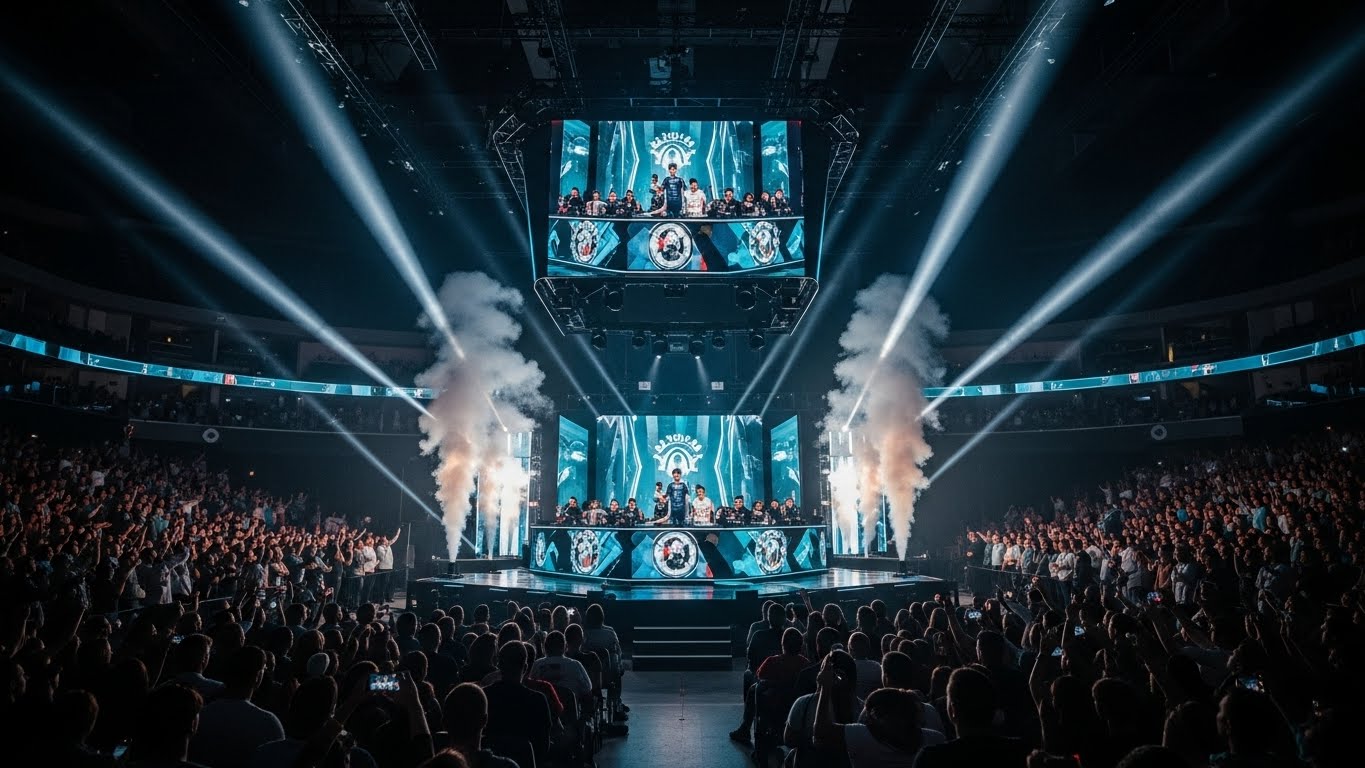
These events are more than just competitions—they are celebrations of gaming culture. The production value of major tournaments rivals that of traditional sports events, with large arenas, professional commentators, and elaborate opening ceremonies. Fans fill stadiums to cheer on their favorite teams, while millions more watch the action unfold online. The atmosphere surrounding these tournaments is electric, creating a sense of excitement and anticipation that mirrors the energy of major sports events.
Esports leagues, like the Overwatch League and Call of Duty League, have brought a sense of structure and consistency to competitive gaming. These leagues feature franchise-based systems, where teams compete in regular-season matches before heading into playoffs and finals. This professional league model has helped standardize the esports industry, creating long-term opportunities for teams, players, and fans.
The Global Impact of Esports: A Cultural Movement
Esports is not just a global entertainment industry—it is a cultural movement. As the esports community has grown, it has brought together people from all walks of life and all corners of the globe. The shared passion for gaming and competition has created a unique bond among fans, transcending geographical boundaries and cultural differences.
Esports has become a platform for social interaction, with fans discussing matches, sharing content, and supporting their favorite players and teams. Esports has also encouraged the growth of gaming conventions, fan festivals, and social media communities, where players and fans can connect on a deeper level. This sense of camaraderie and community is one of the driving forces behind esports’ continued growth.
Esports has also had a significant impact on the traditional sports industry. Major sports organizations, including the NFL and NBA, have invested in esports teams and tournaments, recognizing the potential for crossover appeal. Some sports leagues have even created their own esports counterparts, such as the FIFA eWorld Cup and NBA 2K League, further blurring the lines between traditional and digital sports.
The Future of Esports: What’s Next?
The future of esports looks incredibly bright. With an ever-growing global fanbase, increasing investment, and technological advancements, the industry is poised to reach even greater heights. The continued development of virtual and augmented reality will allow for more immersive gaming experiences, while advancements in streaming technology will make esports more accessible to a wider audience.
Esports is also expected to continue its integration with traditional sports. More collaborations between traditional sports leagues and esports organizations are likely, creating new opportunities for fans to engage with both physical and digital competitions. Furthermore, as the esports community continues to grow, new games, formats, and experiences will emerge, offering players and fans even more exciting ways to enjoy competitive gaming.
Conclusion: Esports – A New Era in Sports and Entertainment
Esports has come a long way since its humble beginnings as a casual hobby. It has transformed into a global industry that competes with traditional sports in terms of viewership, investment, and cultural impact. Esports has become a legitimate profession, with players earning significant salaries and sponsorships, and tournaments attracting millions of fans worldwide.
As technology continues to evolve and the esports ecosystem expands, there is no doubt that competitive gaming will continue to thrive. With its growing popularity, esports is poised to remain at the forefront of the entertainment industry, offering fans new ways to engage with the world of gaming and competition. Whether you’re a player, a fan, or just someone looking to experience the excitement, esports offers something