arenabattle49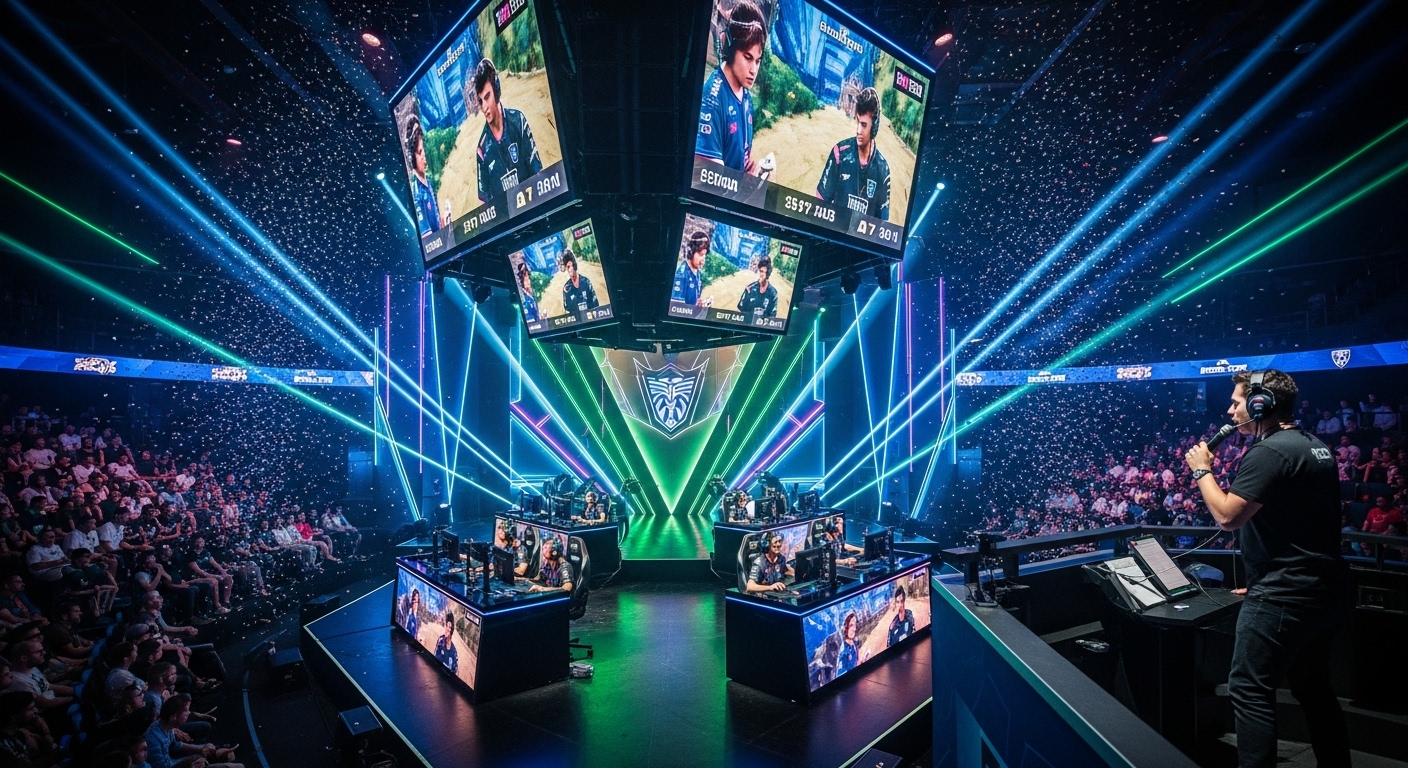
Introduction: The Explosive Growth of Esports
Esports, also known as electronic sports, has undergone a meteoric rise in popularity over the last two decades. What was once a subculture of passionate gamers has transformed into a billion-dollar global industry. Competitive video gaming, once confined to local LAN parties and small-scale tournaments, now attracts millions of viewers worldwide. Professional teams, corporate sponsorships, and massive prize pools have turned esports into a highly organized and lucrative sector, on par with traditional sports in many respects. But how did we go from casual play to a worldwide phenomenon? This post takes a deep dive into the evolution of esports, exploring its origins, growth, cultural impact, and what the future holds for competitive gaming.
The Early Days of Esports: A Niche Hobby for Enthusiasts
The roots of esports can be traced back to the 1980s, when competitive gaming first started gaining attention. Early video game competitions were informal events, often held in arcades or small community centers. Games like Space Invaders and Pong allowed players to compete for high scores, setting the stage for the competitive nature of gaming. The first major organized gaming competition was the Space Invaders Championship in 1980, which drew thousands of participants. However, it wasn’t until the 1990s, with the advent of online multiplayer gaming, that esports truly began to take shape.
Online games like Quake and StarCraft provided players with the opportunity to compete against each other from the comfort of their own homes. These early online games built a foundation for the esports ecosystem by allowing players to connect with others around the world. As the internet became faster and more accessible, online tournaments began to take place, albeit on a smaller scale. While these competitions were mostly niche and amateur, they were critical in establishing the esports community that would grow over the coming decades.
The Rise of Professional Esports: The Turn of the Millennium
As technology improved in the late 1990s and early 2000s, competitive gaming took on a more professional form. Online platforms like Battle.net, created by Blizzard Entertainment, provided gamers with a space to connect and compete in organized tournaments. Games like Warcraft III, StarCraft: Brood War, and Counter-Strike became the bedrock of competitive gaming during this time, with players honing their skills and gaining recognition in their respective communities.
In 2000, Major League Gaming (MLG) was founded, becoming one of the first large-scale esports organizations. MLG hosted professional tournaments in games like Halo and Call of Duty, and began to attract corporate sponsorships, signaling that there was significant commercial potential in esports. As the audience for esports grew, so did the financial stakes. Esports events, previously held in small venues, began to fill up larger arenas, and prize pools started to increase dramatically.
The launch of StarCraft II in 2010 marked a pivotal moment for esports, as the game became the centerpiece of many major tournaments, including the World Cyber Games and the Intel Extreme Masters. The competitive scene surrounding StarCraft II helped cement the idea that esports could be an entertaining and legitimate form of competition. Around the same time, streaming platforms like Twitch began to gain traction, allowing fans to watch esports events live online, further expanding the accessibility of competitive gaming.
The Globalization of Esports: Reaching New Audiences
By the mid-2010s, esports was becoming a global phenomenon. Major tournaments like The International (for Dota 2), the League of Legends World Championship, and The Fortnite World Cup attracted millions of viewers from around the world. These events showcased not only the talent of the players but also the potential of esports as a form of entertainment. Prize pools for these tournaments grew to mind-boggling numbers, with The International offering a prize pool of over $30 million in 2019, making it one of the largest prize pots in the history of competitive sports.
The increased accessibility of online streaming platforms, particularly Twitch, YouTube Gaming, and Facebook Gaming, played a key role in bringing esports to a wider audience. These platforms allowed fans to watch tournaments in real-time, interact with players and fellow viewers, and engage with content that catered specifically to their interests. Esports fans were no longer limited to watching events on television or in person; they could tune in from anywhere in the world with an internet connection.
The rise of esports in countries like South Korea, the United States, China, and Europe marked the beginning of its true globalization. In South Korea, esports became a mainstream cultural phenomenon, with televised competitions attracting massive viewership. The success of esports leagues in these regions spurred further investment and growth, creating a competitive ecosystem that expanded beyond national borders. In China, the League of Legends Pro League (LPL) became one of the largest esports leagues in the world, attracting top-tier players and sponsors.
Esports as a Career: From Hobby to Profession
The rise of esports has created an entirely new career path for gamers. What was once considered a hobby is now a legitimate profession, with players, coaches, analysts, and broadcasters earning substantial salaries. Professional gamers can make a living through tournament winnings, sponsorships, streaming revenue, and endorsements. The most successful players in games like League of Legends, Fortnite, and Counter-Strike: Global Offensive can earn millions of dollars in prize money and sponsorship deals, in addition to building personal brands through social media.
Esports has also created new job opportunities for those involved in the production and organization of events. Tournament organizers, commentators, event managers, and content creators all play key roles in ensuring the success of esports competitions. Additionally, colleges and universities have begun offering scholarships for esports players, and some institutions have even established formal esports teams. This has helped to legitimize esports as an avenue for education and career development, particularly for those interested in gaming, broadcasting, and event management.
The professionalization of esports has led to the establishment of player contracts, team sponsorships, and even esports agents who negotiate for the best terms for players. Just like traditional sports, esports organizations now have management teams, training facilities, and financial backers who support the growth and development of their players. The intense competition, coupled with the financial rewards, has made esports an attractive career path for many young gamers.
Esports and the Changing Landscape of Entertainment
Esports is not just about gaming; it is an entertainment ecosystem that includes streaming, content creation, and community engagement. The rise of esports has had a profound impact on the broader entertainment industry. Television networks, digital platforms, and even traditional sports organizations have recognized the value of esports as a form of entertainment. For example, ESPN has broadcasted major esports events, while traditional sports leagues like the NBA and NFL have invested in esports by sponsoring teams or creating their own esports leagues.
Esports also contributes to the larger digital culture by fostering communities around specific games and players. Streamers and influencers in the esports space have become celebrities in their own right, building massive followings on platforms like Twitch and YouTube. These influencers interact with their fans, create content, and share their gaming experiences in ways that traditional athletes cannot. The direct relationship between esports players and their fans has become a defining feature of the esports experience, offering fans a more intimate and interactive form of entertainment.
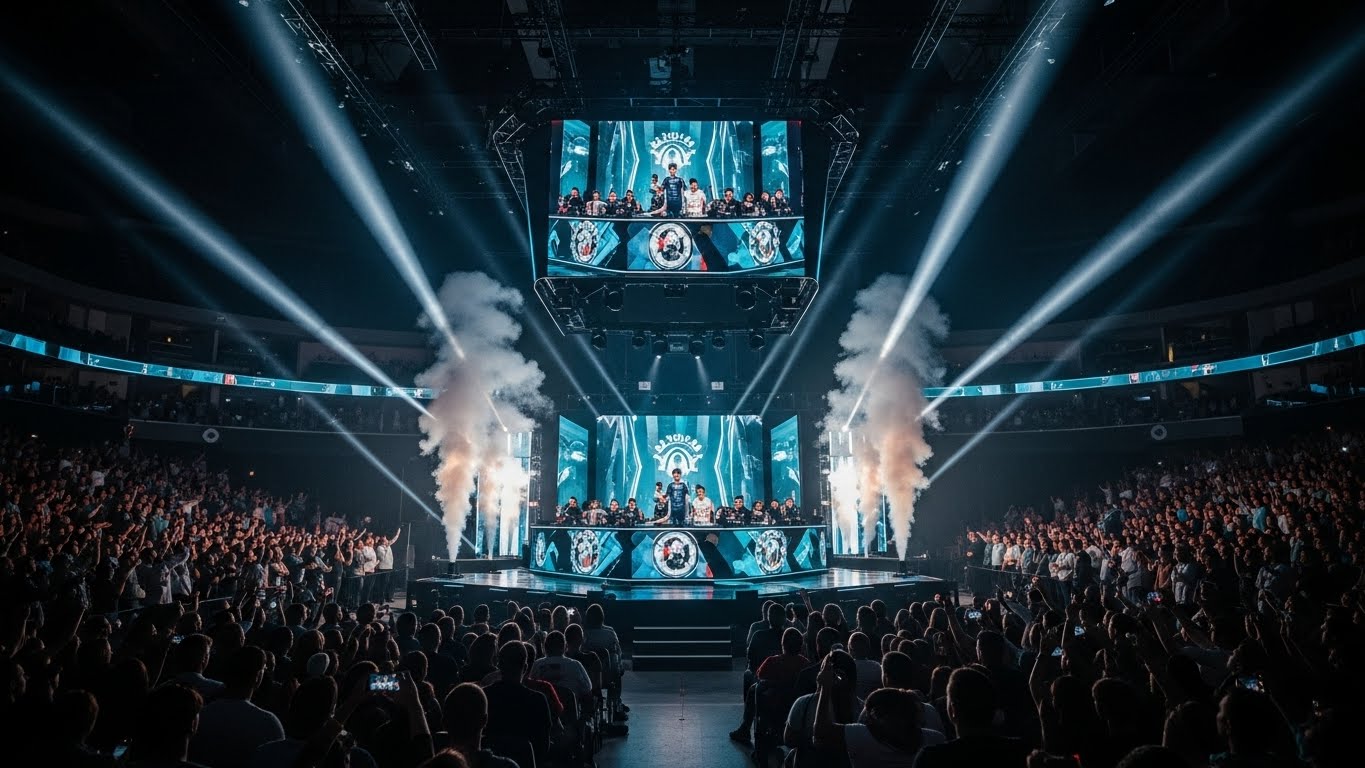
Furthermore, esports events are often accompanied by large-scale live productions, complete with professional commentary, camera work, and music, making them highly engaging to watch. The spectacle of live esports competitions, with their elaborate stage setups and enthusiastic crowds, has made esports events a major draw for both in-person and online audiences.
The Future of Esports: Innovation and Expansion
As esports continues to grow, its future is filled with exciting possibilities. The integration of emerging technologies like virtual reality (VR) and augmented reality (AR) could revolutionize how fans experience esports events. VR could allow fans to immerse themselves in live tournaments, virtually sitting courtside as if they were in the arena. AR could enhance the viewing experience by providing real-time data and statistics, allowing fans to track gameplay more effectively.
Esports is also poised for further globalization. As internet access improves worldwide, more regions—particularly in Latin America, Southeast Asia, and Africa—will be able to participate in and enjoy esports competitions. This expansion will increase the diversity of players and audiences, contributing to the global community that esports continues to build.
The future of esports also holds the promise of new game genres and formats. While games like League of Legends, Fortnite, and Counter-Strike dominate the esports scene, new titles could emerge to create fresh competitive landscapes. Mobile esports is already on the rise, with games like PUBG Mobile and Clash Royale gaining a significant following. The rise of mobile gaming will open up esports to even broader audiences, as smartphones become increasingly powerful gaming devices.
Esports will likely continue to blur the lines between gaming and traditional sports, with more partnerships and crossover events. In the future, we could see esports leagues alongside traditional sports leagues in the same arenas, attracting fans from both worlds. As the industry matures, esports will become an even more integral part of the global entertainment ecosystem.
Conclusion: The Enduring Legacy of Esports
Esports has transformed from a niche hobby to a global industry with millions of fans, professional players, and huge financial investments. What started as a casual form of entertainment has become a legitimate, competitive, and profitable field in its own right. As the esports landscape continues to evolve, its impact on the broader entertainment industry, culture, and global society will only grow stronger. With new technologies, expanded access, and an ever-growing fan base, the future of esports is limitless. Competitive gaming is not just a trend—it is the future of entertainment