arenabattle49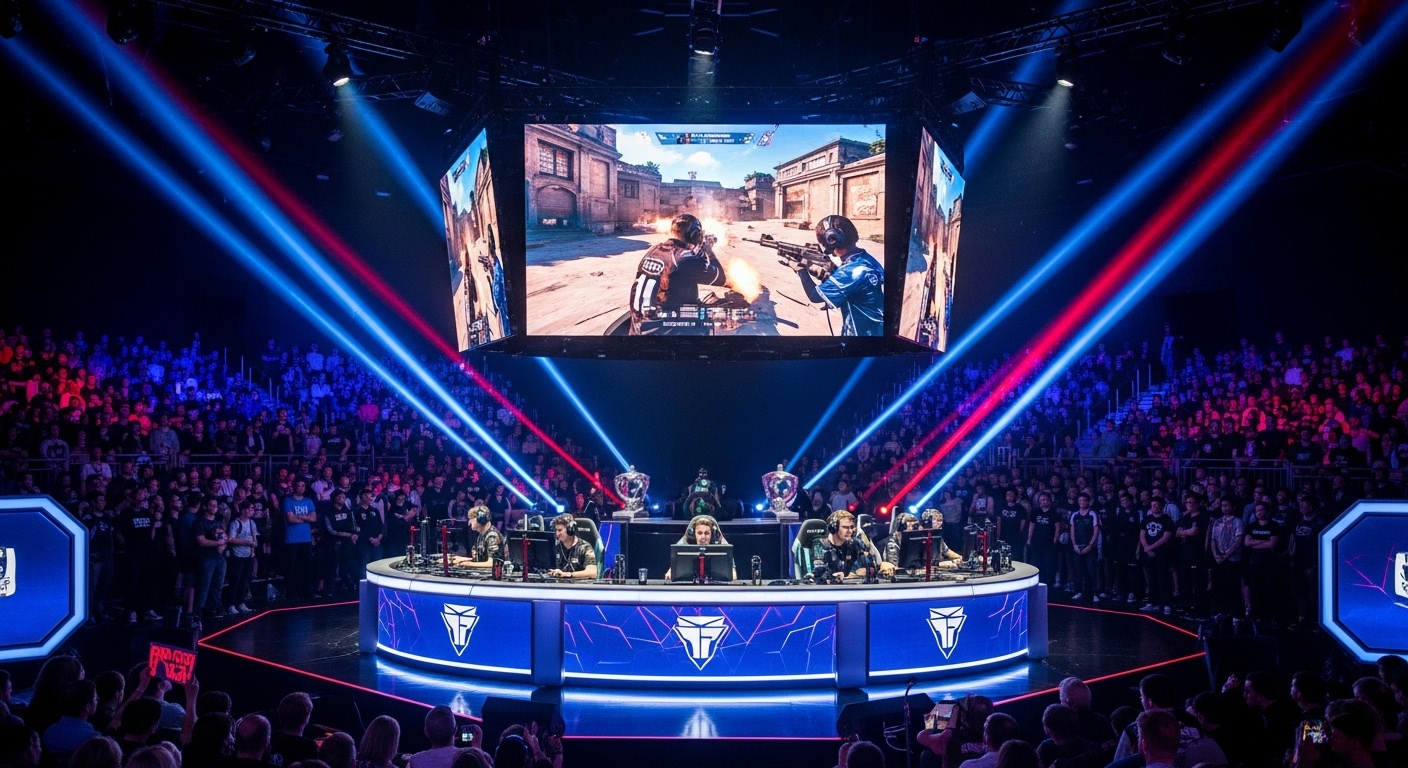
Esports, or electronic sports, has evolved from humble beginnings into a global industry that rivals traditional sports in terms of viewership, revenue, and popularity. What started as a niche pastime for gamers has become a massive entertainment sector, attracting millions of fans, creating lucrative careers, and shaping the future of competitive gaming. In this blog post, we’ll explore the journey of esports, its impact on the gaming industry, the technology behind it, and how it continues to evolve.
The Origins of Esports
The Early Days of Competitive Gaming
Esports dates back to the early 1970s, though it wasn’t recognized as the billion-dollar industry it is today. The first known competitive video game event was the Stanford University’s “Intergalactic Spacewar Olympics” in 1972, where students competed in Spacewar, one of the earliest arcade video games. While this event was more of a novelty and didn’t attract widespread attention, it marked the inception of competitive gaming.
In the years that followed, gaming tournaments were small, local affairs. Games like Street Fighter, Doom, and Quake helped lay the foundation for competitive gaming in the 1990s. It was during this period that the first true gaming leagues and competitions emerged, albeit on a much smaller scale.
The 2000s: The Birth of the Esports Industry
The early 2000s witnessed the beginning of the esports boom, thanks to several key developments. The rise of broadband internet made online gaming more accessible, enabling gamers from all over the world to compete against each other. The game that most historians cite as one of the first to cement esports as a mainstream activity is StarCraft.
StarCraft (1998) became particularly popular in South Korea, where it was supported by a dedicated infrastructure of gaming cafes and competitive leagues. In fact, South Korea is often seen as the birthplace of modern esports. The Korean eSports Association (KeSPA) was founded in 2000, and by 2002, the first major esports television broadcast, “StarCraft Pro-League,” began airing on national television.
As the popularity of esports grew, major tournaments like World Cyber Games (WCG) and Electronic Sports World Cup (ESWC) were established in the early 2000s, creating more opportunities for players to compete internationally. It wasn’t long before the esports ecosystem started expanding beyond just South Korea, with tournaments and competitions cropping up across Europe, North America, and beyond.
The Growth of Esports: Key Milestones
The Rise of Major Tournaments
One of the driving forces behind esports’ rapid growth was the development of major tournaments. These tournaments brought the best players together, creating opportunities for them to earn prize money and gain fame. The most significant tournaments in the early 2010s included:
- The International (TI): Founded in 2011, The International is the premier tournament for Dota 2, a multiplayer online battle arena (MOBA) game developed by Valve. What makes TI particularly notable is its enormous prize pool, which has consistently broken records year after year. By 2021, the prize pool for TI10 reached over $40 million, with the winning team taking home more than $18 million.
- League of Legends World Championship: Riot Games’ League of Legends (LoL) quickly became a staple in the esports scene after its release in 2009. The League of Legends World Championship is one of the most-watched esports events globally, with millions of fans tuning in to watch the best teams battle it out for supremacy. The 2018 finals attracted over 200 million viewers, showcasing the global appeal of competitive gaming.
- Overwatch League (OWL): Blizzard Entertainment’s Overwatch, a first-person shooter, led to the creation of the Overwatch League, one of the first professional esports leagues to operate like a traditional sports league, with teams based in cities around the world. The OWL represents the increasing professionalization of esports, featuring full-time contracts for players and extensive broadcasting on networks like ESPN and Twitch.
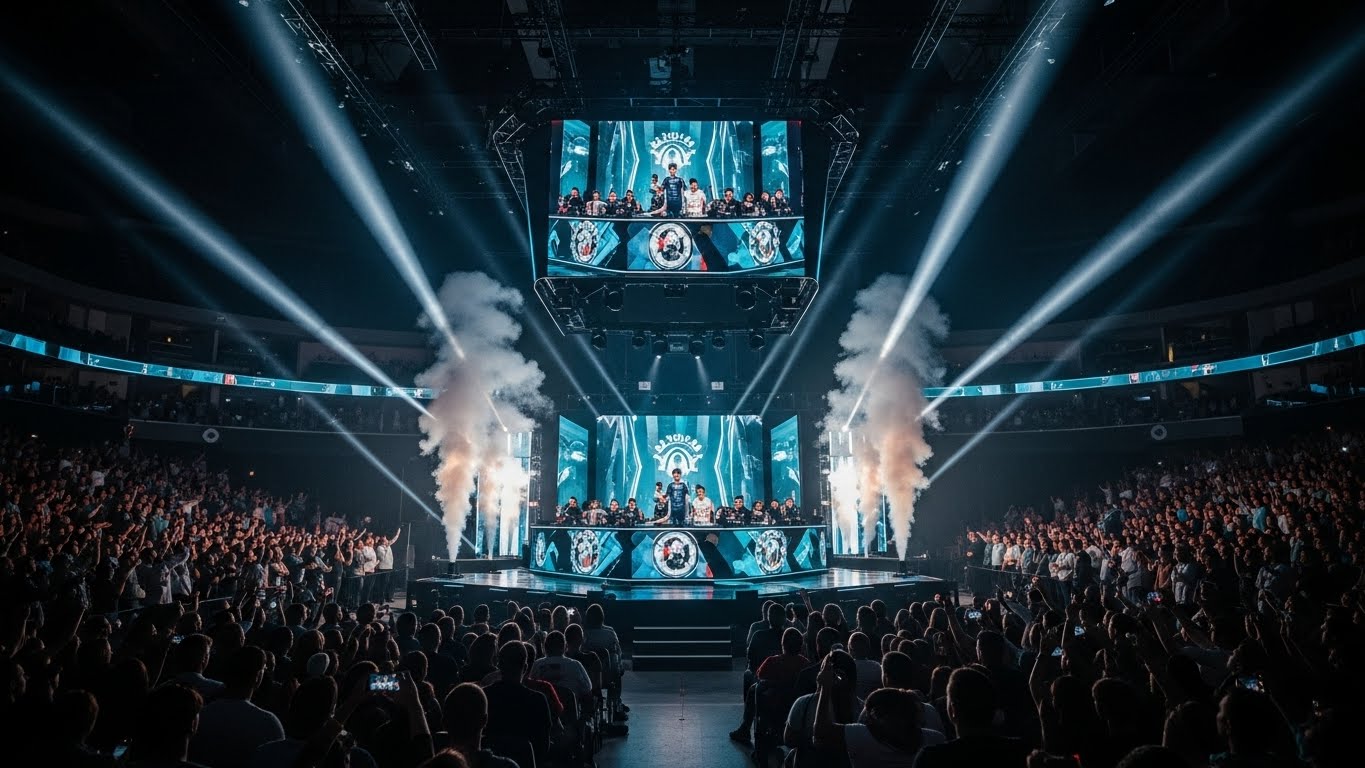
These tournaments are not just about the competition; they’re also about the spectacle. With elaborate stage setups, commentary, fan interactions, and incredible production value, esports events have become must-see entertainment.
Streaming and the Role of Platforms
A major reason for esports’ explosive growth is the rise of streaming platforms like Twitch, YouTube Gaming, and Facebook Gaming. These platforms allowed players to broadcast their gameplay to a global audience in real time. What started as casual streams where viewers could watch others play video games has evolved into a multi-million-dollar business.
Twitch, in particular, has become synonymous with esports. Gamers can not only watch live streams of competitive tournaments but also interact with players, join communities, and even participate in the action through donations and live chats. The platform has helped esports reach new audiences and fostered a sense of connection between fans and players.
For professional players, streaming has become an integral part of their income, with some top players earning millions of dollars annually from both tournament winnings and streaming revenue.
The Business Side of Esports
Sponsorships and Advertising
The business aspect of esports is rapidly catching up to traditional sports. Sponsorships are a significant source of revenue for esports organizations and tournament organizers. Major brands like Coca-Cola, Intel, Red Bull, and BMW have recognized the marketing power of esports and have invested heavily in the scene. Esports sponsorships can range from small local companies supporting a team to multinational corporations backing entire tournaments and leagues.
Advertising revenue has also surged, as esports broadcasts attract a young, tech-savvy audience. Brands want access to this demographic, which is increasingly difficult to reach through traditional media. As a result, esports advertising deals are becoming more lucrative, with digital ads, branded content, and live-streaming deals bringing in substantial revenue.
Player Salaries and Prize Money
Esports has created lucrative career opportunities for players, streamers, and coaches. Top-tier players in games like Dota 2, League of Legends, and Counter-Strike: Global Offensive can earn significant salaries, sometimes exceeding those of professional athletes in traditional sports.
Prize money is a key component of an esports player’s earnings, and the amount of money on offer at esports events has skyrocketed in recent years. As mentioned earlier, The International’s prize pool reached over $40 million in 2021, and the League of Legends World Championship regularly offers millions of dollars in prize money. As a result, players can win large sums from a single tournament, often supplementing their income with sponsorships and streaming revenue.
Esports as a Cultural Phenomenon
The Global Fanbase
Esports has transcended borders, with fans from all corners of the globe coming together to celebrate their love of competitive gaming. Games like League of Legends, Fortnite, Counter-Strike, and Valorant have become international sensations, with fanbases spanning continents.
Countries like South Korea, China, the United States, and Europe have thriving esports scenes, while emerging markets like Brazil, India, and Southeast Asia are rapidly growing in importance. The esports industry’s global nature is reflected in the vast array of languages used in broadcasts, making the tournaments accessible to fans from various linguistic backgrounds.
The Impact on Traditional Sports
Esports has had a profound effect on traditional sports, with some sports organizations and teams even entering the esports world. Traditional sports leagues like the NFL, NBA, and European football clubs have all invested in esports in one form or another. Many professional athletes are also active esports enthusiasts, streaming on platforms like Twitch and supporting esports teams.
The cross-pollination between traditional sports and esports has led to more widespread acceptance of gaming as a legitimate form of competition. As a result, esports is no longer viewed solely as a hobby or niche activity, but rather as a respected form of entertainment on par with traditional sports.
Esports and Mental Health
The rapid growth of esports has led to discussions around the mental and physical health of players. Unlike traditional sports, esports athletes are often required to train for extended hours in front of a computer screen, which can lead to eye strain, poor posture, and other physical ailments.
Additionally, the pressure to perform at a high level can take a toll on players’ mental health. Anxiety, stress, and burnout are common among professional gamers. As esports continues to grow, there is an increasing emphasis on player well-being, with many teams employing psychologists, nutritionists, and physical trainers to help players manage their mental and physical health.
The Future of Esports
Virtual Reality and Augmented Reality
As technology continues to evolve, esports will likely see a revolution with the integration of virtual reality (VR) and augmented reality (AR). These technologies have the potential to transform the gaming experience, making it more immersive and interactive. For example, VR could allow fans to watch tournaments from a first-person perspective, placing them right in the middle of the action.
With VR and AR, esports could also expand into new types of competitive gaming, offering new challenges and opportunities for innovation. It’s not just the games themselves that will change; the way we consume esports content will also undergo a transformation.
The Continued Rise of Mobile Esports
Mobile gaming has exploded in popularity, particularly in regions like Southeast Asia, where smartphones are more accessible than consoles or gaming PCs. Mobile esports tournaments, such as those for PUBG Mobile and Free Fire, have gained massive followings. With millions of players competing on mobile devices, mobile esports is expected to be a significant driver of growth for the industry in the coming years.
Esports in Education and Scholarships
Another exciting development in the esports world is the rise of esports scholarships and academic programs. Universities around the world are starting to offer scholarships for players to join their esports teams, much like they do for traditional sports. In addition, some schools are integrating esports into their curricula, offering students the opportunity to study the business and technical aspects of the industry.
Esports is becoming an avenue for young players to pursue a career in gaming, whether as professional players, coaches, analysts, or content creators. With the continued growth of esports, it is likely that we will see even more opportunities in education and career development for aspiring gamers.
Conclusion
Esports has come a long way since its humble beginnings in the 1970s. Today, it is a global phenomenon that spans continents, offers millions in prize money, and provides career opportunities for players, coaches, streamers, and content creators. The growth of esports has reshaped the gaming landscape, making it an essential part of the entertainment industry. As technology continues to advance, the future of esports is bright, with new innovations, markets, and opportunities on the horizon. The journey of esports is far from over, and as it continues to evolve, it will undoubtedly leave a lasting legacy on the world of competitive gaming.